Understanding RedWing MaaS Packages and AI's Role in Cybersecurity
Explore the implications of RedWing's MaaS packages for Android bank fraud and how AI can enhance cybersecurity measures. Learn essential steps to protect your organization against vulnerabilities.
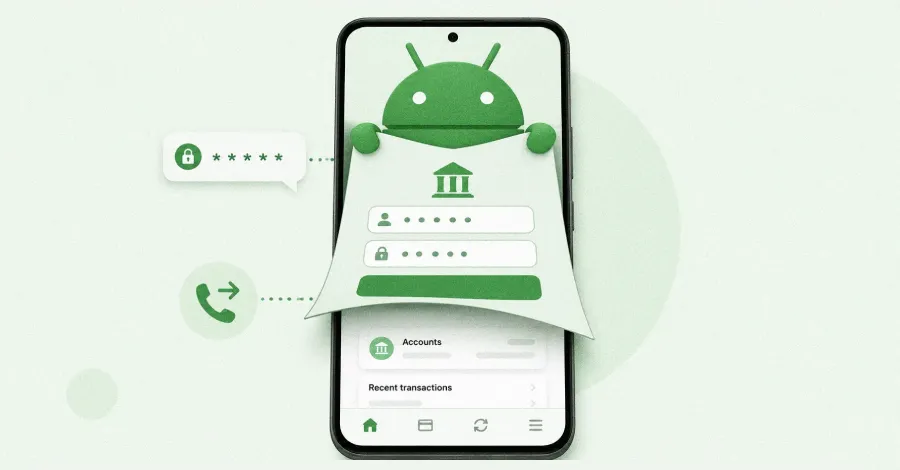
The rapid evolution of technology has brought forth new challenges in the realm of cybersecurity. Among the latest developments is the emergence of RedWing's MaaS (Malware as a Service) packages, which have been linked to alarming trends in Android bank fraud. These packages, often marketed through platforms like Telegram, pose a significant threat to both individual users and organizations. Coupled with this risk is the growing role of artificial intelligence (AI) in cybersecurity, which, while promising, also introduces its own vulnerabilities. Understanding these dynamics is crucial for anyone looking to safeguard their digital assets in an increasingly hostile environment.
The Rise of MaaS Packages and Their Impact
MaaS packages represent a disturbing trend in the cybersecurity landscape. By providing customizable malware tools to cybercriminals, services like RedWing empower even the least technically savvy individuals to execute sophisticated attacks. The Android operating system, with its vast user base, is a primary target. Here’s how it works:
- Accessibility: MaaS packages are often sold on underground forums or communicated through encrypted messaging apps like Telegram, making them easily accessible to potential attackers.
- Customization: Buyers can tailor malware to fit their specific needs, targeting particular banking apps or user demographics.
- Low Cost: The affordability of these packages, sometimes priced as low as $100, lowers the barrier to entry for cybercriminals.

AI in Cybersecurity: A Double-Edged Sword
While the rise of MaaS packages presents significant threats, AI is emerging as a powerful ally in the fight against cybercrime. AI models can analyze vast amounts of data, identify patterns, and detect anomalies that might signify a breach. However, as cybersecurity professionals leverage AI, they must also be aware of its limitations and potential for misuse.
How AI Enhances Security
AI enhances cybersecurity in several ways:
- Threat Detection: AI algorithms can identify unusual patterns in network traffic that may indicate a cyberattack.
- Predictive Analysis: By analyzing historical data, AI can predict potential vulnerabilities before they are exploited by attackers.
- Automated Responses: AI can facilitate immediate responses to detected threats, minimizing damage and reducing the need for human intervention.

Steps to Secure Against Vulnerabilities
Organizations must take proactive steps to protect themselves from the threats posed by MaaS packages and the vulnerabilities identified by AI. Here are five essential strategies:
1. Regular Software Updates
Keeping software up to date is critical. As new vulnerabilities are discovered, software developers release patches that mitigate these risks. Organizations should implement a routine schedule for updates.
2. Employee Training
Educating employees about cybersecurity threats and safe practices can significantly reduce the risk of a successful attack. Regular training sessions should cover topics such as phishing, secure password practices, and recognizing suspicious activity.
3. Implement Multi-Factor Authentication (MFA)
MFA adds an extra layer of security by requiring users to provide multiple forms of verification before accessing sensitive information. This makes it much harder for attackers to gain unauthorized access.
4. Conduct Regular Security Audits
Periodic audits of your security measures can help identify weaknesses in your systems and processes. This proactive approach allows organizations to fortify their defenses before an attack occurs.
5. Leverage AI Tools
Utilizing AI-powered cybersecurity tools can enhance an organization’s ability to detect and respond to threats. These tools can analyze data in real-time, providing insights that are critical for timely interventions.

Key Takeaways
- RedWing's MaaS packages pose significant risks, particularly for Android users.
- AI is both a tool for enhancing cybersecurity and a potential vulnerability.
- Regular software updates and employee training are crucial for safeguarding against threats.
- Implementing MFA can significantly reduce unauthorized access risks.
- AI tools should be integrated into cybersecurity strategies for optimal protection.
Frequently Asked Questions
What is Malware as a Service (MaaS)?
MaaS refers to a service model where cybercriminals offer malware tools to other criminals for a fee. This model lowers the barrier to entry for potential attackers, allowing even those without extensive technical knowledge to execute cyberattacks. RedWing is one of the notable providers of such services, focusing on customizable malware solutions aimed at Android banking applications.
How can AI be misused in cybersecurity?
While AI can enhance cybersecurity measures, it can also be weaponized by cybercriminals. For example, attackers can use AI to develop more sophisticated phishing schemes or to automate attacks, making them more efficient and harder to detect. This duality presents a significant challenge for cybersecurity professionals who must stay one step ahead of adversaries using the same technologies.
What are the best practices for employee training in cybersecurity?
Effective employee training should be continuous rather than a one-time event. It should include various formats, such as workshops, online courses, and simulated phishing attacks. Topics should cover recognizing social engineering tactics, the importance of secure passwords, and the proper reporting channels for suspicious activity. By fostering a culture of cybersecurity awareness, organizations can significantly reduce their vulnerability to attacks.
What role does multi-factor authentication play in securing sensitive data?
Multi-factor authentication (MFA) is a security measure that requires users to provide two or more verification factors to gain access to an account. This could include something they know (like a password), something they have (like a mobile device), or something they are (like a fingerprint). MFA significantly enhances security by making it much more difficult for attackers to gain unauthorized access, even if they have the user's password.
Comments
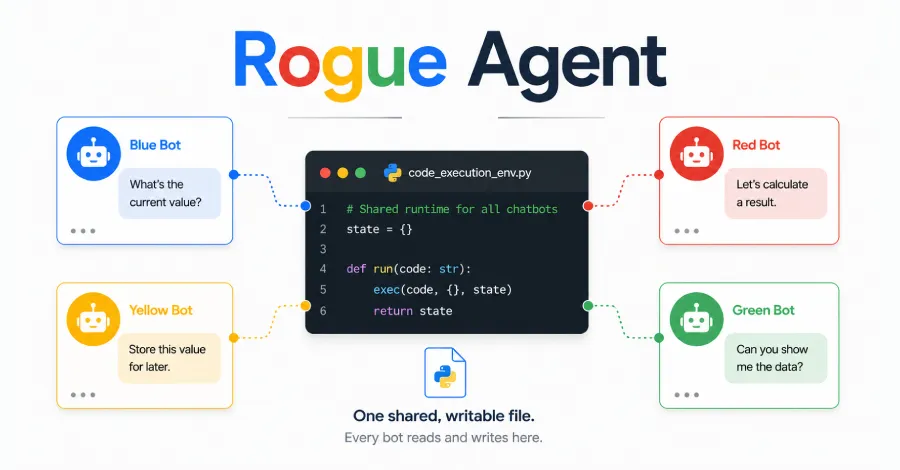
Securing Google Dialogflow CX Chatbots: Addressing AI-Driven Vulnerabilities
Recent discoveries have highlighted vulnerabilities in Google Dialogflow CX chatbots that could be exploited by attackers. This article explores these risks and provides actionable steps for securing your AI-driven applications.
Related articles

Popular in Cybersecurity
- Federal Mandate for Autonomous Vehicles: A Call for Safety Compliance
- EU Mandates Google to Share Data and Open AI on Android: What It Means
- GitHub Revamps Bug Bounty Program: Implications for Developers and Security
- Australian Government Disables Thousands of Functional Broadband Routers: A Wasteful Decision
- Exploiting Redis: Understanding Zero-Day Vulnerabilities and Their Mitigation