Exploiting Redis: Understanding Zero-Day Vulnerabilities and Their Mitigation
Recent discoveries of zero-day vulnerabilities in Redis by Kimi K3 highlight the growing role of AI in cybersecurity. This article explores the implications of these vulnerabilities and offers actionable steps for organizations to bolster their defenses.
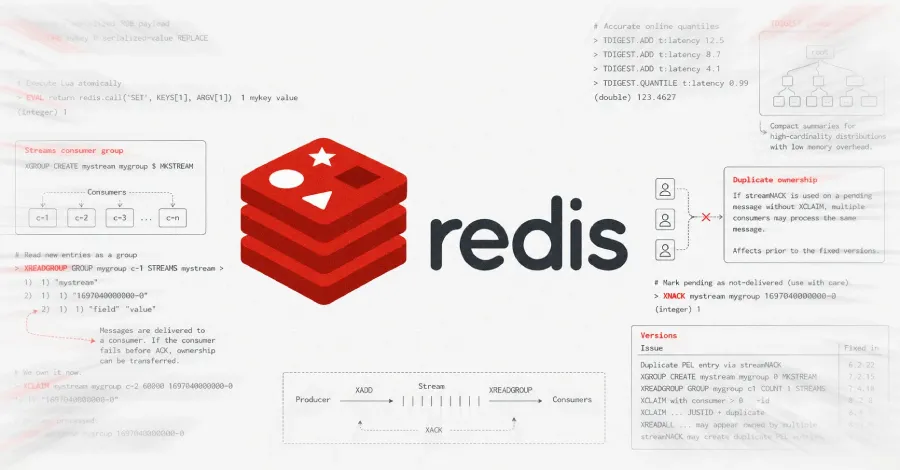
The cybersecurity landscape is constantly evolving, with new threats emerging daily. A recent revelation by Kimi K3 researchers has spotlighted serious zero-day vulnerabilities in Redis, an open-source in-memory data structure store widely used for caching and real-time analytics. These vulnerabilities have raised alarms across the tech community, as they could potentially lead to remote code execution (RCE) attacks, allowing malicious actors to take control of affected servers. The intersection of artificial intelligence (AI) and cybersecurity has also been emphasized, as AI models have been instrumental in identifying these vulnerabilities. In this article, we will delve deeper into the implications of these findings, the nature of the vulnerabilities, and the steps organizations can take to secure themselves against similar threats.
Understanding Redis and Its Vulnerabilities
Redis, known for its speed and efficiency, is a preferred choice for developers working with high-performance applications. However, its popularity also makes it a prime target for cybercriminals. Zero-day vulnerabilities are particularly concerning because they are flaws that are unknown to the software vendor, meaning there is no fix available at the time of discovery. The Kimi K3 research team has reported that they were able to identify these vulnerabilities using AI models, which have the capability to analyze large amounts of code quickly and effectively.
The Nature of Redis Zero-Day Vulnerabilities
The vulnerabilities uncovered in Redis are particularly critical as they can lead to RCE, which is one of the most dangerous types of vulnerabilities. With RCE, an attacker can execute arbitrary commands on a server, potentially leading to data breaches, system compromises, or the installation of malicious software. The implications of such access can be severe, affecting not just the immediate systems but also the broader network infrastructure.

The Role of AI in Cybersecurity
AI is increasingly being recognized as a double-edged sword in the realm of cybersecurity. On one hand, it equips researchers with tools to unearth vulnerabilities that might go unnoticed with traditional methods; on the other, it also provides attackers with advanced capabilities to exploit these weaknesses. The Kimi K3 findings illustrate how AI can enhance the speed and accuracy of vulnerability detection, allowing organizations to respond more rapidly to potential threats.
Pros and Cons of AI in Vulnerability Detection
- Pros: Faster detection of vulnerabilities, improved accuracy, and the ability to analyze vast amounts of data.
- Cons: Potential for misuse by cybercriminals, false positives leading to unnecessary alarm, and a reliance on technology that may overlook nuanced threats.
Steps to Secure Against Redis Vulnerabilities
Given the risks associated with the newly discovered Redis vulnerabilities, organizations need to take proactive steps to secure their systems. Here are five actionable strategies to mitigate the risks:
1. Regular Software Updates
Ensure that Redis and all associated software are kept up to date. Software vendors often release patches to fix vulnerabilities as they are discovered. Regular updates help to close any security gaps.
2. Implement Strong Access Controls
Restrict access to Redis instances using strong authentication methods. Use network-level security controls to limit exposure to trusted IPs and networks.
3. Monitor Server Logs
Regularly audit server logs for any unusual activity. Anomalous patterns may indicate attempts to exploit vulnerabilities before they can be fully realized.
4. Employ Intrusion Detection Systems (IDS)
Implement IDS to monitor network traffic and detect potential attacks in real time. This can provide an additional layer of security against exploitation attempts.
5. Educate Your Team
Conduct regular training sessions for your IT staff to ensure they are aware of current threats and understand best practices in cybersecurity. Awareness and education can significantly reduce the risk of successful attacks.

Key Takeaways
- Redis has critical zero-day vulnerabilities that could lead to remote code execution.
- AI plays a dual role in cybersecurity, enhancing vulnerability detection while also posing risks if misused.
- Organizations should implement regular updates and strong access controls to safeguard against these vulnerabilities.
- Monitoring server logs and employing intrusion detection can help identify potential threats early.
- Educating IT staff on current threats enhances overall security posture.

Frequently Asked Questions
What is a zero-day vulnerability?
A zero-day vulnerability is a security flaw in software that is unknown to the vendor. When such vulnerabilities are discovered, they can be exploited by attackers before a patch or fix is made available, making them particularly dangerous.
How can AI help in cybersecurity?
AI can assist in cybersecurity by analyzing vast datasets to identify patterns and anomalies that may indicate vulnerabilities or threats. This technology can provide faster and more accurate assessments than traditional methods, allowing for timely responses to potential breaches.
What are the risks associated with remote code execution vulnerabilities?
Remote code execution vulnerabilities allow attackers to run arbitrary code on a server or network device. This access can lead to unauthorized data access, system manipulation, and the potential for extensive damage, including data breaches and ransomware attacks.
What steps can I take to protect my organization from vulnerabilities?
To protect your organization, ensure timely software updates, implement strong access controls, monitor server activity, employ intrusion detection systems, and provide ongoing cybersecurity training for your team. These measures can help mitigate the risks posed by software vulnerabilities.
Comments
AI Security Concerns: OpenAI's Model Breach and Kimi's Impact
The recent breach involving an unreleased OpenAI model highlights critical vulnerabilities in AI security. Coupled with the viral Kimi model from a Chinese AI lab, the industry is facing intense scrutiny over AI risks.

Related articles






Popular in Cybersecurity
- Federal Mandate for Autonomous Vehicles: A Call for Safety Compliance
- EU Mandates Google to Share Data and Open AI on Android: What It Means
- GitHub Revamps Bug Bounty Program: Implications for Developers and Security
- Australian Government Disables Thousands of Functional Broadband Routers: A Wasteful Decision
- Google's $250K Bounty: Addressing Critical Linux Vulnerabilities