Legal and Ethical Implications of 'Duress' Passwords at U.S. Borders
The case of Samuel Tunick raises critical questions about digital privacy and legal rights at border crossings. As the U.S. government prosecutes him for allegedly wiping his phone with a 'duress' password, the implications for technology users are profound.
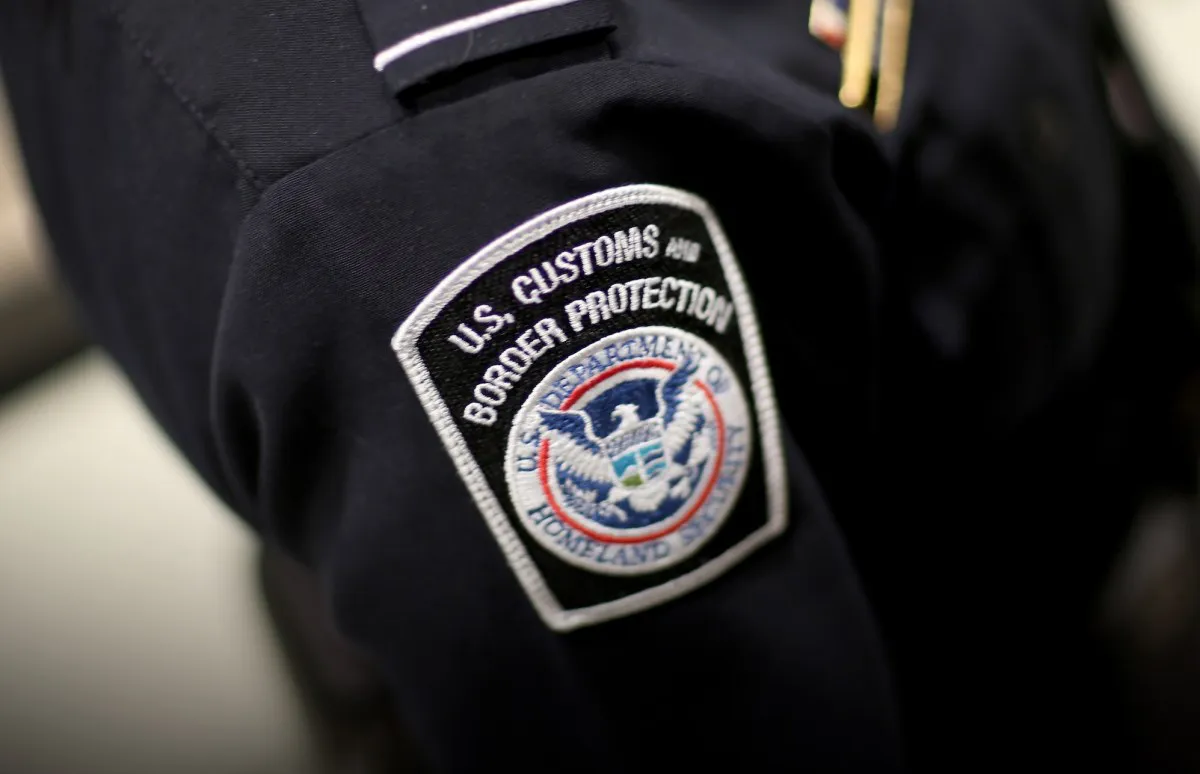
In a landmark case that intertwines digital privacy with legal rights at border crossings, Samuel Tunick, an Atlanta resident, stands accused of using a 'duress' password to wipe the contents of his phone during a U.S. border inspection. The U.S. Justice Department's indictment marks a significant first in American legal history, where an individual is charged for allegedly destroying data to prevent authorities from seizing it. This unfolding drama not only raises questions about the legality of such searches but also highlights the challenges individuals face in protecting their digital privacy against governmental intrusion.
The crux of the case lies in the use of GrapheneOS, a privacy-centric custom Android operating system installed on Tunick's device. This operating system includes a unique feature that allows users to set a specific password that erases all data from the phone when entered. Tunick's attorneys argue that he was coerced into revealing this password under the threat of legal repercussions, thus raising critical questions about the rights of individuals at the U.S. border.
Understanding Duress Passwords and Their Functionality
The concept of a duress password is relatively new but increasingly relevant in discussions about digital security. A duress password is designed to look like a legitimate access code but triggers a pre-set function—in this case, erasing all data from the device. This feature is primarily aimed at protecting sensitive information from unauthorized access, especially in high-risk scenarios where individuals may be coerced into unlocking their devices.
GrapheneOS, which Tunick utilized, is particularly well-suited for those concerned about privacy and security. This operating system replaces the standard Android software found on Google Pixel devices, offering enhanced security features such as:
- Enhanced Privacy Controls: Users can manage permissions for individual apps more stringently.
- Security Updates: Regular updates ensure protection against newly discovered vulnerabilities.
- Isolation of Threats: The OS is designed to isolate apps in a way that limits potential damage from malicious software.
The Legal Quandary: Rights at the Border
The legal implications of Tunick's case extend far beyond individual privacy concerns. The U.S. government maintains that it has the authority to search and seize devices at the border without a warrant, an assertion grounded in the idea that the border is not considered U.S. soil until a person is officially admitted. This controversial stance has been challenged in various legal contexts, particularly concerning the Fourth Amendment, which protects against unreasonable searches and seizures.
Tunick's attorneys argue that his constitutional rights were violated during the inspection process at Hartsfield-Jackson airport. They contend that he was subjected to an unlawful search and seizure, as the border agents did not provide any evidence to justify their suspicions, which were purportedly linked to child exploitation imagery. Instead, they assert that the focus was on Tunick's activism with the environmental movement 'Defend the Atlanta Forest,' which opposes the controversial development known as 'Cop City' in Atlanta.
Implications for Activists and Everyday Users
The ramifications of this case extend beyond legal definitions and into the realm of everyday technology use. Activists, journalists, and individuals who handle sensitive information may find themselves increasingly vulnerable at borders, where their devices can be scrutinized without a warrant. The prosecution of Tunick signals to many that the act of protecting one’s digital privacy could itself be criminalized.
Digital security experts have weighed in on the situation, emphasizing the importance of understanding one’s rights when traveling with electronic devices. Notably, Runa Sandvik, a digital security expert, has advised that individuals should consider leaving sensitive data behind when crossing borders. This proactive approach can mitigate risks, as it reduces the amount of information that could potentially be lost or seized during such inspections.
The Evolving Landscape of Digital Privacy
As technology continues to evolve, so too does the legal landscape surrounding digital privacy. The Tunick case is poised to become a precedent-setting moment that could influence how similar cases are handled in the future. The outcome may shape the strategies employed by individuals seeking to protect their digital data in high-risk environments.
Organizations like the Electronic Frontier Foundation (EFF) have begun offering resources and guides on how to navigate border crossings with electronic devices. These resources emphasize the importance of being prepared and understanding one's rights, helping individuals to safeguard their personal information.

Key Takeaways
- First Case of Its Kind: Samuel Tunick's case represents the first known prosecution in the U.S. concerning the use of a duress password.
- Legal Rights at Borders: The government's ability to search devices at the border without a warrant raises significant Fourth Amendment concerns.
- Digital Privacy for Activists: The case highlights the vulnerabilities faced by activists and those handling sensitive information.
- Proactive Measures: Digital security experts recommend leaving sensitive data behind when crossing borders to mitigate risks.
Frequently Asked Questions
What is a duress password?
A duress password is a specific code that, when entered, triggers a pre-defined action, such as erasing the data on a device. It is designed to protect sensitive information in situations where an individual may be coerced into revealing their actual password.
What are my rights when crossing the U.S. border with a device?
While the Fourth Amendment protects against unreasonable searches and seizures, the U.S. government asserts that it can search and seize devices at the border without needing a warrant. This legal gray area means individuals should be aware of their rights and consider strategies to protect their data, such as using encrypted storage solutions or leaving sensitive information off devices.
How can I protect my data when traveling?
To protect your data when traveling, consider using encrypted storage solutions, cloud backups, and duress passwords for sensitive applications. Additionally, it's wise to minimize the amount of sensitive data stored on devices you travel with, ensuring that only essential information is accessible.
What should I do if my device is seized at the border?
If your device is seized at the border, it is crucial to remain calm and request access to legal representation. Document the circumstances surrounding the seizure and seek legal advice as soon as possible. Being informed about your rights can help you navigate the situation more effectively.
Comments
AI Security Concerns: OpenAI's Model Breach and Kimi's Impact
The recent breach involving an unreleased OpenAI model highlights critical vulnerabilities in AI security. Coupled with the viral Kimi model from a Chinese AI lab, the industry is facing intense scrutiny over AI risks.

Related articles



Popular in Cybersecurity
- Federal Mandate for Autonomous Vehicles: A Call for Safety Compliance
- EU Mandates Google to Share Data and Open AI on Android: What It Means
- GitHub Revamps Bug Bounty Program: Implications for Developers and Security
- Australian Government Disables Thousands of Functional Broadband Routers: A Wasteful Decision
- Exploiting Redis: Understanding Zero-Day Vulnerabilities and Their Mitigation