India's Legal Tussle with Jack Dorsey's Bitchat: Implications for Open Source
India's recent action against Jack Dorsey's Bitchat app raises profound legal and digital rights questions. With a crackdown on open-source software, the implications extend beyond Dorsey, affecting developers and users alike.
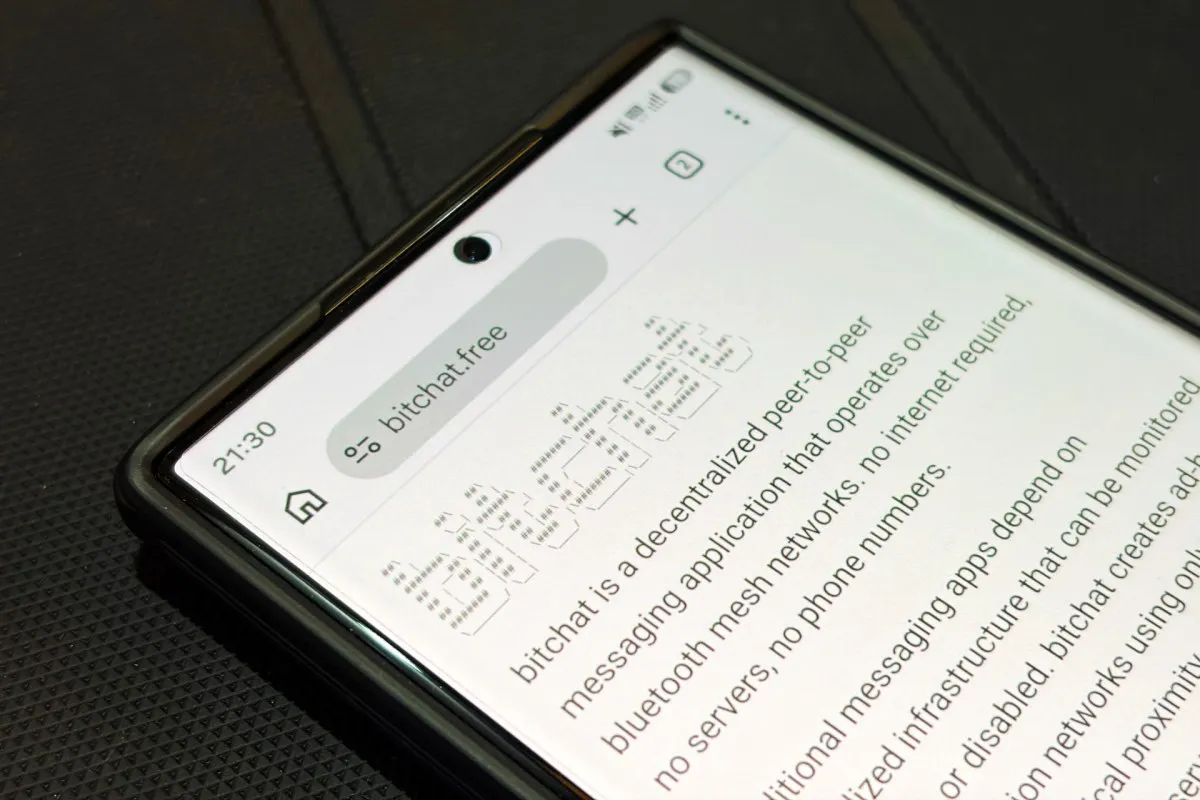
The Indian government's recent move to restrict access to Jack Dorsey's Bitchat app has sparked significant debate over digital rights, open-source software, and state control in the digital age. The government's action, aimed at curbing the app's use during heightened civil unrest, raises questions about the legal mechanisms employed to target technology that operates outside conventional frameworks. This incident marks a crucial moment not only for the future of Bitchat but also for the broader tech landscape in India and globally.
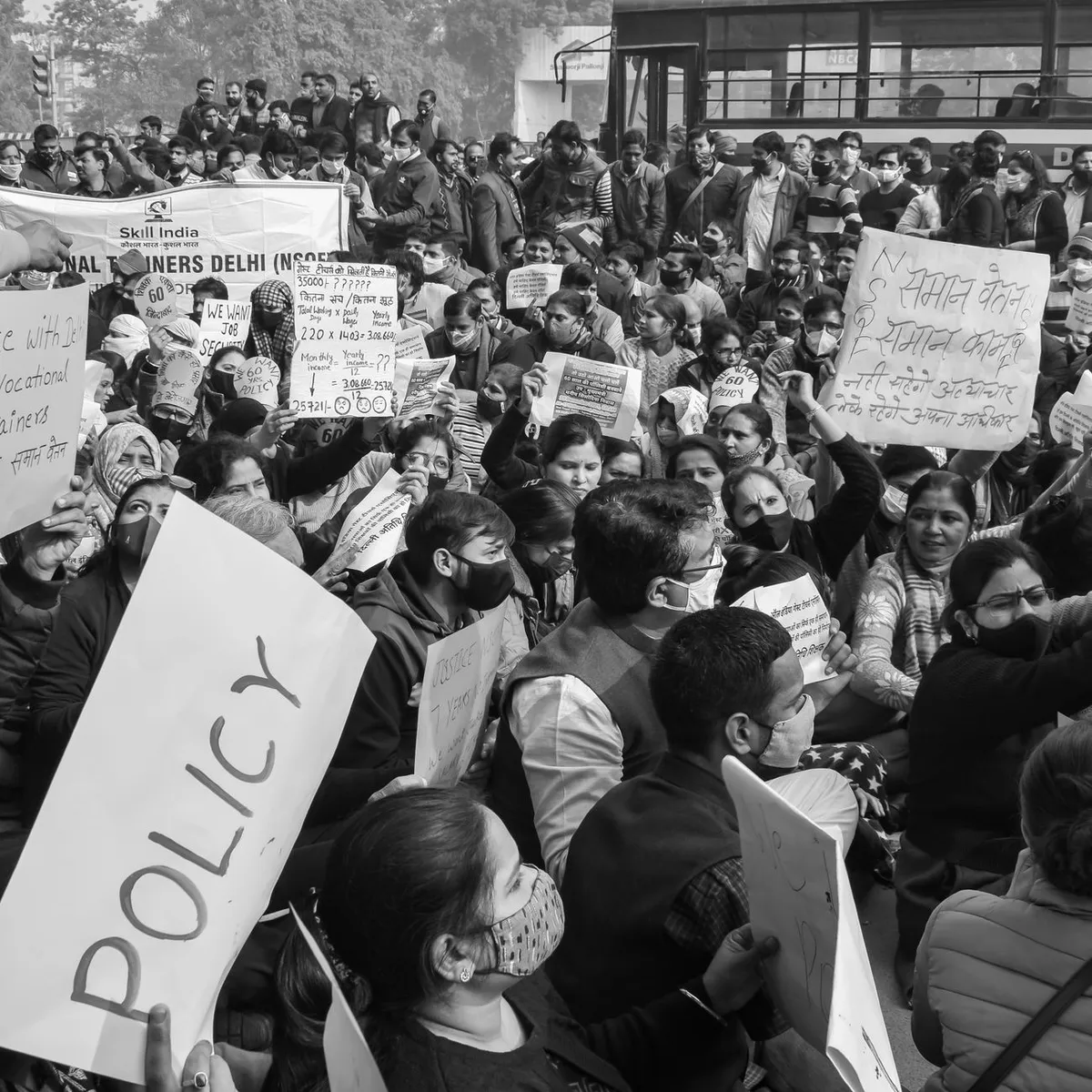
On July 23, 2026, Dorsey shared a notice on X that revealed India's Ministry of Home Affairs had directed GitHub to restrict access to three Bitchat repositories within a tight three-hour window. The reasoning behind this directive points to the app's decentralized, anonymous architecture, which officials argue could facilitate unlawful activities, particularly during times of internet shutdowns. Such measures come against the backdrop of escalating protests in New Delhi, where demonstrators have used Bitchat and similar applications to bypass restrictions on communication.
Understanding Bitchat and Its Rise Amidst Protests
Bitchat is an offline messaging application that utilizes Bluetooth technology to allow users to communicate without the need for an internet connection. This feature has made it particularly attractive in regions experiencing internet shutdowns, a tactic increasingly employed by the Indian government to manage dissent. Since the protests began, Bitchat has seen a staggering increase in downloads in India, accounting for approximately 85% of its global downloads within just a week.
According to Sensor Tower, the app was downloaded more than 91,000 times in India in a five-day span, demonstrating a thirty-two-fold increase in interest. This surge underscores the urgent need for secure communication tools in politically volatile environments, yet it also raises alarms among authorities wary of potential misuse.
The Legal Landscape: What India’s Action Means
India’s approach to Bitchat marks a significant departure from its historical reliance on Section 69A of the IT Act, which allows for the blocking of specific websites or content deemed harmful. As noted by Mishi Choudhary, founder of the digital rights advocacy group SFLC.in, the government's request for the removal of entire software projects based on their operational characteristics rather than specific illegal content challenges existing legal norms.
The notice issued to GitHub does not cite any particular posts or messages with unlawful content. Instead, it highlights Bitchat’s ability to operate during internet restrictions as a potential avenue for unlawful communication. This broad interpretation raises concerns about the legality of targeting open-source software based solely on its functionality rather than concrete evidence of illegal activity.
The Implications for Open Source Development
The implications of this legal approach extend far beyond Bitchat. By attempting to restrict access to its open-source code, the Indian government risks stifling innovation and collaboration within the open-source community. As Raman Chima from the Association for Progressive Communications points out, this action could set a concerning precedent for how governments interact with open-source software. It signals a potential shift towards increased scrutiny and regulation of software that empowers users to communicate privately and securely.
This move could discourage developers from creating similar applications that prioritize privacy and decentralization, fearing government backlash. Furthermore, it raises the question of how open-source projects can defend themselves against government interventions that may not align with global standards for digital rights and freedoms.

International Reaction and Advocacy Response
The reaction from digital rights organizations has been swift and critical. The Internet Freedom Foundation (IFF) highlighted that simply deleting a GitHub repository does not remove the app from devices that already have it installed. They argue that such actions do not effectively prevent the use of Bitchat but rather limit scrutiny of its underlying code. This perspective emphasizes the need for transparency and accountability in government actions affecting digital platforms.
Advocacy groups like Access Now have also raised concerns that blocking an offline messaging platform during internet shutdowns could lead to a complete communication blackout, undermining fundamental rights to free speech and assembly. In a democracy, protesters should have the right to coordinate and communicate freely, especially in times of civil unrest.

The Broader Impact on Digital Rights in India
This incident exemplifies a growing trend of digital repression in India, where authorities have increasingly restricted online communication in response to dissent. As India navigates its path towards digital governance, striking a balance between security and individual rights will be crucial. The government’s approach to Bitchat may indicate a willingness to expand its control over digital platforms, potentially curbing the freedoms of users and developers alike.
Moreover, this situation raises pertinent questions about the legal frameworks governing technology in India. As the digital landscape evolves, so too must the laws that regulate it, ensuring they protect both security interests and civil liberties. This duality will be vital in shaping the future of digital rights in the country.
Key Takeaways
- India's crackdown on Bitchat highlights the tension between digital rights and government control.
- The legal basis for targeting open-source software is under scrutiny, with implications for future development.
- Advocacy groups emphasize the importance of maintaining communication rights during internet shutdowns.
- The incident reflects a growing trend of digital repression in India amidst rising dissent.
- As the digital landscape evolves, legal frameworks must adapt to safeguard both security and civil liberties.
Frequently Asked Questions
What is Bitchat and why is it significant in this context?
Bitchat is an offline messaging application that allows users to communicate without an internet connection. Its significance lies in its ability to function during internet shutdowns, making it a crucial tool for protesters and individuals seeking secure communication in politically sensitive environments.
What legal framework is being challenged by the Indian government's actions?
The Indian government's move against Bitchat challenges the existing legal framework that governs content removal online, particularly the reliance on Section 69A of the IT Act. This incident raises questions about the legality of targeting entire software projects based on their functionality rather than specific illegal content.
How are digital rights organizations responding to this situation?
Digital rights organizations like the Internet Freedom Foundation and Access Now have criticized the government's actions, arguing that they undermine fundamental rights to free speech and communication. They stress the importance of transparency in government actions affecting digital platforms and advocate for the protection of rights during civil unrest.
What are the broader implications for open-source software development?
The Indian government's crackdown on Bitchat has broader implications for open-source software development, potentially discouraging innovation and collaboration. It raises concerns about the future of privacy-focused applications and the ability of developers to create technologies that empower users without fear of government intervention.
Comments
AI Security Concerns: OpenAI's Model Breach and Kimi's Impact
The recent breach involving an unreleased OpenAI model highlights critical vulnerabilities in AI security. Coupled with the viral Kimi model from a Chinese AI lab, the industry is facing intense scrutiny over AI risks.

Related articles






Popular in Cybersecurity
- Federal Mandate for Autonomous Vehicles: A Call for Safety Compliance
- EU Mandates Google to Share Data and Open AI on Android: What It Means
- GitHub Revamps Bug Bounty Program: Implications for Developers and Security
- Australian Government Disables Thousands of Functional Broadband Routers: A Wasteful Decision
- Exploiting Redis: Understanding Zero-Day Vulnerabilities and Their Mitigation