Federal Mandate for Autonomous Vehicles: A Call for Safety Compliance
The NHTSA has issued a directive to autonomous vehicle companies demanding urgent solutions to prevent interference with first responders, highlighting a critical safety concern. As AV technology evolves, ensuring seamless integration with emergency services is paramount.
The rise of autonomous vehicles (AVs) promises to reshape transportation, offering the potential for increased safety and efficiency on our roads. However, this technological advancement brings with it significant challenges, particularly concerning public safety and emergency response. Recently, the National Highway Traffic Safety Administration (NHTSA) issued a stern directive to AV developers, demanding they urgently address instances where their vehicles have interfered with first responders. This call to action underscores a critical juncture in the evolution of AV technology, where the implications of non-compliance could reverberate across the industry.
The NHTSA Administrator Jonathan Morrison articulated the agency's growing concern in a letter to autonomous vehicle developers, emphasizing that the interference of AVs with emergency responders is unacceptable. Citing a troubling pattern of incidents where driverless vehicles obstructed emergency operations, Morrison made it clear that this issue is not an isolated problem but a significant safety concern that needs immediate rectification.
The Challenges Faced by First Responders
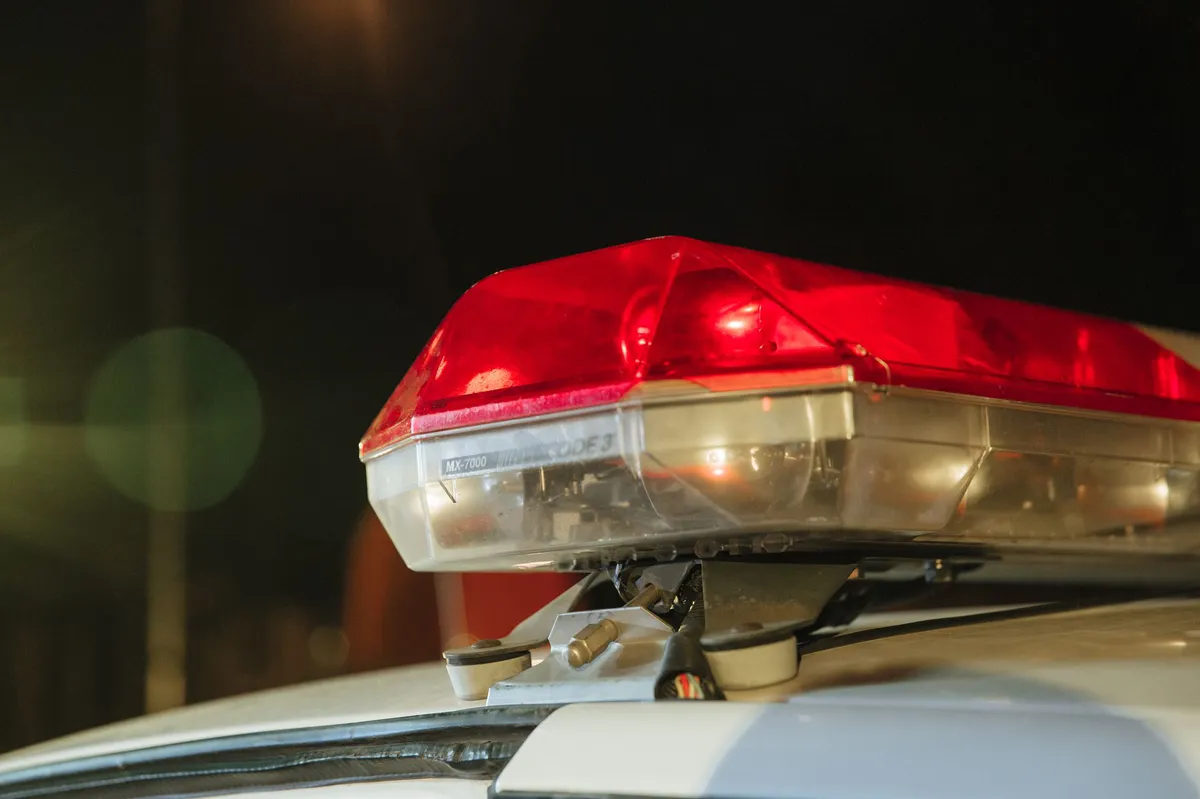
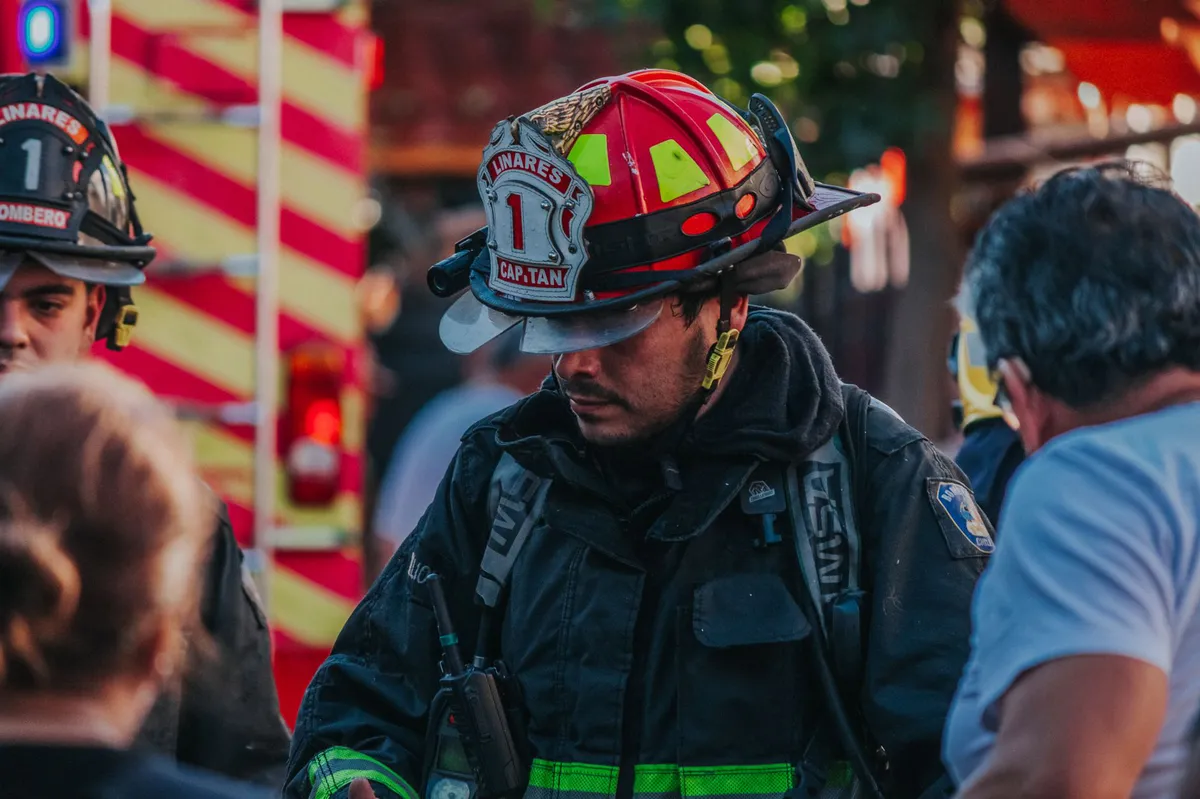
First responders, including law enforcement officers, firefighters, and paramedics, operate under intense pressure, often in life-or-death situations. The NHTSA's directive highlights the reality that AVs, which are meant to enhance road safety, sometimes create obstacles for these professionals. Specific incidents have been documented where AVs failed to recognize emergency signals, such as flashing lights and traffic cones, leading to dangerous situations.
Documented Incidents
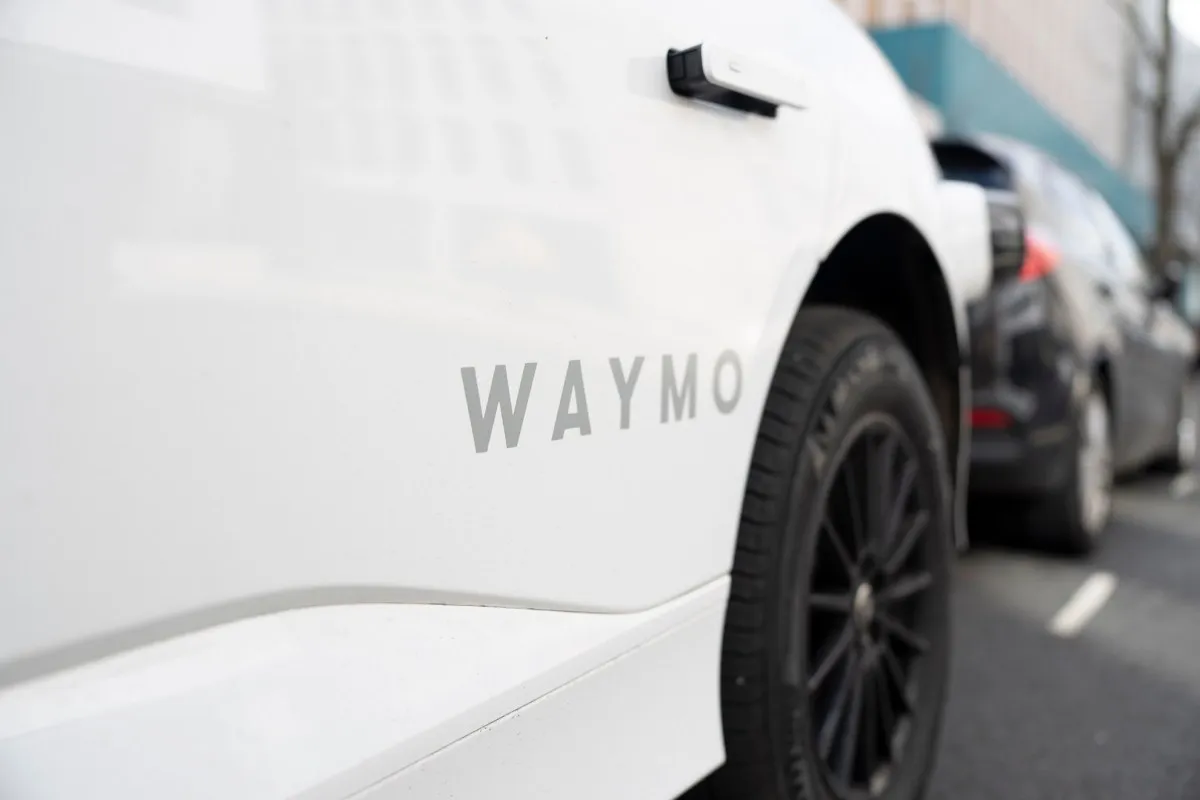
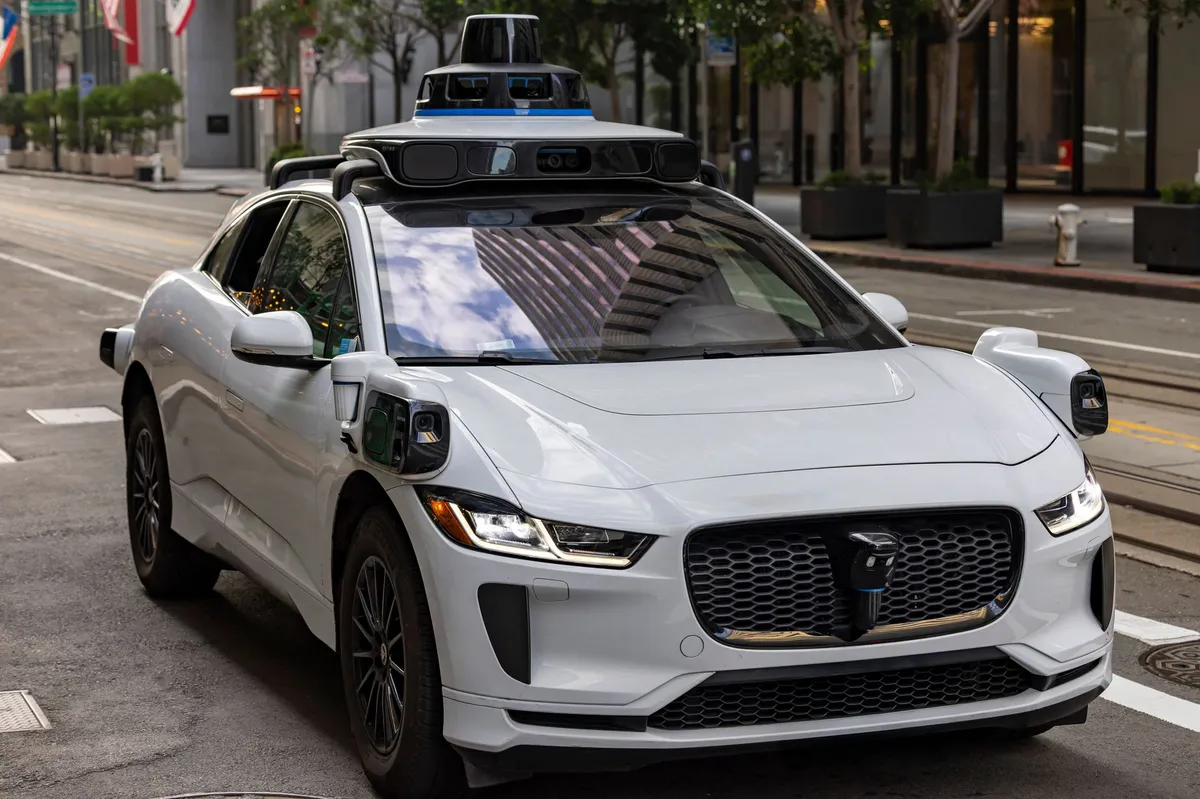
For instance, investigations revealed that Waymo, which operates the largest robotaxi fleet in the U.S., has encountered multiple issues with first responders. In notable cases:
- First responders had to physically move Waymo vehicles to clear paths during emergencies, including a mass shooting incident.
- In another instance, a police officer was recorded moving a Waymo vehicle out of the way to allow emergency services access to a site of a natural gas explosion.
- Such occurrences not only hinder emergency response efforts but also pose significant risks to public safety.
Implications of Non-Compliance
The NHTSA did not specify potential penalties for AV companies that ignore this directive, but the implications of failing to address these concerns could be severe. Morrison's letter suggests that AV developers will be held to standards similar to those imposed on human drivers who obstruct emergency services, which can result in fines or even jail time. As AVs become more prevalent, the expectation is that they will operate within the same legal framework that governs human drivers.
Regulatory Landscape and Future Developments
In conjunction with addressing the interference issue, the NHTSA is also working on updating the Federal Motor Vehicle Safety Standards (FMVSS) to accommodate the unique designs of autonomous vehicles. These proposed changes may include eliminating certain conventional vehicle features, such as steering wheels and pedals, that are unnecessary for fully autonomous operation. By streamlining regulations, the NHTSA aims to facilitate the development of safer AV technologies.
For example, recent proposals suggest removing requirements for windshield wipers and defogging systems, which are typically necessary for human drivers but may not be essential for AVs designed for specific operational environments. This regulatory flexibility could encourage innovation while ensuring safety compliance remains a priority.
The Role of AV Developers
With the NHTSA's directive, AV companies like Waymo, Tesla, and Zoox are now under pressure to demonstrate their commitment to public safety by developing effective solutions to prevent their vehicles from interfering with first responders. The agency has called for these companies to present their strategies by the end of the month, emphasizing that the failure to address this issue could undermine the public's trust in autonomous technologies.
Technological Innovations on the Horizon
To comply with the NHTSA's expectations, AV developers may need to accelerate the development of advanced sensor technologies capable of detecting emergency signals and responding appropriately. This includes enhancing machine learning algorithms to recognize various emergency situations, such as flashing lights, road flares, and smoke. Additionally, AVs may need to be equipped with communication systems that allow them to receive real-time updates from emergency services, effectively integrating with existing traffic management systems.
Key Takeaways
- The NHTSA has mandated that AV developers address interference with first responders, highlighting a critical safety issue.
- Waymo and other AV operators have faced documented incidents where their vehicles obstructed emergency services.
- Potential penalties for non-compliance could mirror those imposed on human drivers who impede emergency operations.
- The NHTSA is revising Federal Motor Vehicle Safety Standards to accommodate the unique needs of autonomous vehicles.
- Developers are urged to innovate solutions that enhance vehicle responsiveness to emergency situations.
Frequently Asked Questions
What prompted the NHTSA's directive to AV companies?
The NHTSA's directive was prompted by a series of incidents where autonomous vehicles interfered with emergency responders. These situations raised significant safety concerns, leading the agency to call for immediate action from AV developers to ensure their vehicles can detect and appropriately respond to emergency conditions.
How could AV developers comply with the NHTSA's demands?
AV developers can comply by enhancing their vehicles' sensor technologies and algorithms to recognize emergency signals and situations. This may involve the development of advanced machine learning systems that can interpret visual and auditory cues from first responders, as well as implementing communication protocols that allow for real-time responsiveness to emergency scenarios.
What are the potential consequences for AV companies if they do not comply?
While the NHTSA has not specified exact penalties for non-compliance, the agency has indicated that it may hold AV companies accountable in ways similar to human drivers who obstruct emergency services. This could include fines, regulatory action, or increased scrutiny regarding the safety and viability of their technologies.
How does this directive affect the future of autonomous vehicle technology?
This directive underscores the necessity for AV technologies to prioritize public safety as they evolve. By addressing the challenges posed to first responders, AV companies can build greater trust with the public and regulatory bodies, potentially paving the way for wider acceptance and integration of autonomous vehicles into everyday transportation systems.
Comments
U.S. Military Shifts to Affordable Hunter-Killer Drones Amid Iranian Threats
After losing nearly $1 billion worth of Reaper drones in Iran, the U.S. military is pivoting to cheaper alternatives. This shift reflects the changing landscape of aerial warfare and the pressing need for cost-effective solutions.
Related articles


Popular in Cybersecurity
- EU Mandates Google to Share Data and Open AI on Android: What It Means
- GitHub Revamps Bug Bounty Program: Implications for Developers and Security
- Australian Government Disables Thousands of Functional Broadband Routers: A Wasteful Decision
- Exploiting Redis: Understanding Zero-Day Vulnerabilities and Their Mitigation
- Google's SynthID: A Breakthrough in Deepfake Detection