Truecaller vs. TRAI: The Battle for Caller ID and Consumer Trust in India
Truecaller is challenging India’s telecom regulator TRAI over new anti-spam rules that hinder the app's ability to protect users from unwanted calls. This clash highlights the delicate balance between regulatory compliance and consumer trust in an age of rampant spam.

In a rapidly evolving digital landscape, the clash between innovation and regulation often leads to significant implications for consumers and businesses alike. This dynamic is currently playing out in India, where Truecaller, a popular caller ID and spam-blocking app, finds itself at odds with the Telecom Regulatory Authority of India (TRAI) over newly implemented anti-spam regulations. Truecaller’s CEO, Rishit Jhunjhunwala, has publicly criticized TRAI for imposing restrictions that he argues undermine the app's ability to shield users from unwanted calls and erode trust in legitimate business communications. As spam calls proliferate across the subcontinent, this conflict raises important questions about consumer protection, regulatory oversight, and the future of communication technologies in one of the world's largest telecom markets.
With over 350 million of its 500 million monthly active users based in India, Truecaller’s significance cannot be overstated. The app has become an essential tool for millions seeking to navigate the noisy landscape of telemarketing and scam calls, which has become a pervasive issue in India. However, as Truecaller navigates this regulatory quagmire, the stakes are high — both for the company and the consumers relying on its services.
Understanding the Regulatory Framework
The current dispute stems from a regulatory framework introduced in 2024, which assigned specific number series—1400 and 1600—to commercial communications. The intention behind this initiative, according to TRAI, was to facilitate the identification of legitimate business calls while simultaneously combating the overwhelming tide of spam and scam communications. Businesses are required to use the 1400 series for telemarketing, while the 1600 series is designated for service-related communications.
Impact on Consumer Trust
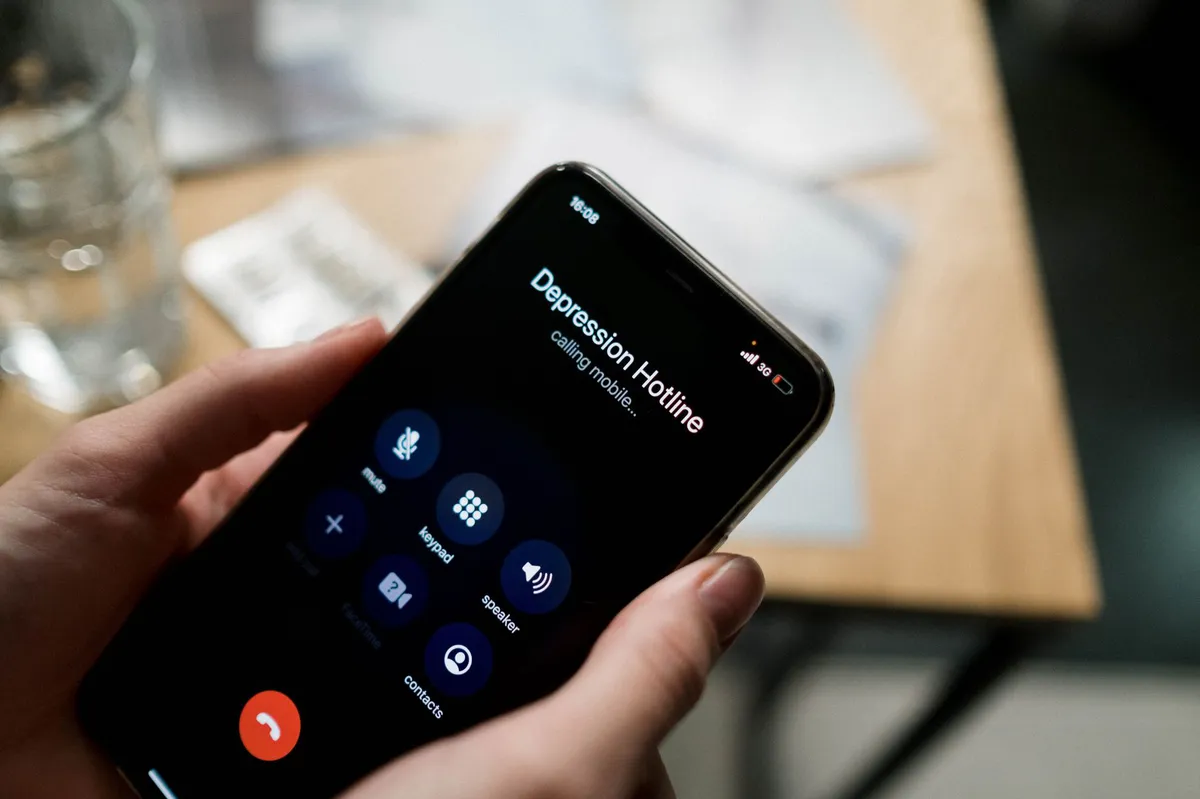
However, the implementation of these regulations has produced unintended consequences, as highlighted by Jhunjhunwala. Internal data from Truecaller indicates a significant decline in consumer trust regarding these dedicated number series. In the past eight months alone, users have reportedly ignored a staggering 81% of calls from the 1400 series and 79% from the 1600 series. This decline in trust has led to a considerable increase in manually blocked calls, with Truecaller users blocking 74 million calls from these series. Moreover, the frequency of blocking actions against numbers in the 1600 series has more than tripled since October 2025.
In response to the restrictions that prevent Truecaller from marking these numbers as spam, the app has introduced a “Frequently Blocked” badge to help users identify numbers that have been reported by multiple users. This mechanism aims to provide some level of protection, albeit in a different format, as the app continues to navigate the complex regulatory landscape.
The Role of TRAI and Its Regulatory Authority
TRAI's position is critical in this scenario. The regulatory body has been proactive in addressing the rampant issue of spam calls, which has become a significant concern for Indian consumers and businesses alike. Last year, for instance, the Indian communications ministry reported that over 2.1 million fraudulent mobile numbers were disconnected, and action was taken against more than 100,000 entities involved in fraudulent communications. This aggressive stance demonstrates TRAI's commitment to safeguarding consumer interests.
Potential Legal Ramifications
The situation escalated further when reports surfaced that TRAI was seeking powers under India’s Information Technology Act to impose penalties on caller ID applications that label numbers from the designated commercial series as spam. This development raises concerns about potential overreach and the implications it could have for not only Truecaller but also other similar applications like Hiya and Whoscall. The ability to accurately mark spam calls is fundamental to the operational integrity of such apps, and any legal restrictions could compromise their effectiveness.
Jhunjhunwala has called for a more evidence-based approach to decision-making regarding caller ID apps, emphasizing the importance of penalizing bad actors rather than stifling those that provide valuable services to consumers. This call to action highlights a broader need for regulatory bodies to strike a balance between enforcing compliance and fostering innovation in the tech sector.

Consumer Implications and Responses
As the battle between Truecaller and TRAI unfolds, the implications for consumers are significant. The primary concern for users is the effectiveness of spam filtering and caller identification, which are essential for managing the flood of unsolicited communications. With the current regulatory restrictions, there is a palpable fear that the quality of service provided by Truecaller and similar applications may diminish, leaving consumers vulnerable to spam calls.
What Consumers Should Know
In light of these developments, consumers should remain informed about the evolving regulatory landscape and its impact on caller ID applications. Here are some key points to consider:
- Stay updated on Truecaller’s features and any changes to its spam-blocking capabilities.
- Be aware of the number series used for telemarketing and service-related calls, as these may impact how calls are filtered.
- Consider alternative spam-blocking solutions if Truecaller’s effectiveness is compromised.
- Participate in community reporting to enhance the accuracy of spam identification within caller ID apps.
Key Takeaways
- Truecaller is engaged in a public dispute with TRAI over anti-spam regulations affecting caller ID apps.
- The introduction of dedicated number series for commercial communications has led to a decline in consumer trust.
- TRAI's actions could have legal implications for caller ID applications and their operational capacities.
- Consumers should stay informed and adapt to changes in spam filtering technologies.
Frequently Asked Questions
What is Truecaller and how does it work?
Truecaller is a mobile application designed to identify incoming calls and block unwanted spam calls. The app leverages a community-driven database where users report spam numbers, allowing the app to warn others about potential scams. By using this data, Truecaller can filter calls effectively, providing users with a more manageable communication experience.
Why is TRAI implementing these regulations?
TRAI's regulations aim to reduce the volume of spam and scam calls that plague Indian consumers. By designating specific number series for commercial communications, TRAI seeks to help users identify legitimate business calls while curbing fraudulent activities. However, the unintended consequences of these regulations have sparked debates about their effectiveness and impact on user trust.
How can consumers protect themselves from spam calls?
Consumers can take several proactive steps to protect themselves from spam calls. Using caller ID applications like Truecaller can significantly reduce the likelihood of answering unwanted calls. Users should also be cautious about sharing their phone numbers and consider utilizing call-blocking features provided by their devices. Furthermore, staying informed about reporting mechanisms for spam numbers can enhance the overall effectiveness of these applications.
What does the future hold for Truecaller in India?
The future of Truecaller in India will largely depend on the regulatory landscape and how TRAI's actions evolve in response to the ongoing dispute. If TRAI imposes further restrictions that hinder the app's functionality, Truecaller may need to adapt its strategies to maintain user trust and effectiveness. The company's ability to navigate these challenges while continuing to innovate will be crucial in determining its long-term success in its largest market.
Comments
U.S. Military Shifts to Affordable Hunter-Killer Drones Amid Iranian Threats
After losing nearly $1 billion worth of Reaper drones in Iran, the U.S. military is pivoting to cheaper alternatives. This shift reflects the changing landscape of aerial warfare and the pressing need for cost-effective solutions.

Related articles


Popular in Cybersecurity
- Federal Mandate for Autonomous Vehicles: A Call for Safety Compliance
- EU Mandates Google to Share Data and Open AI on Android: What It Means
- GitHub Revamps Bug Bounty Program: Implications for Developers and Security
- Australian Government Disables Thousands of Functional Broadband Routers: A Wasteful Decision
- Exploiting Redis: Understanding Zero-Day Vulnerabilities and Their Mitigation