Google's SynthID: A Breakthrough in Deepfake Detection
Google's SynthID technology successfully debunked a viral deepfake image of Senator Mitch McConnell, highlighting its potential in combating misinformation.
In an era where misinformation can spread like wildfire, the need for effective detection tools has never been more pressing. Recently, Google's SynthID made headlines by successfully debunking a viral deepfake image of Kentucky Senator Mitch McConnell, which depicted him in a hospital bed under distressing circumstances. This incident not only showcased the power of SynthID but also underscored the broader implications of deepfake technology in our society. As AI-generated content becomes increasingly sophisticated, understanding and deploying tools like SynthID is crucial for both individuals and organizations.
Understanding SynthID: The Technology Behind the Detection
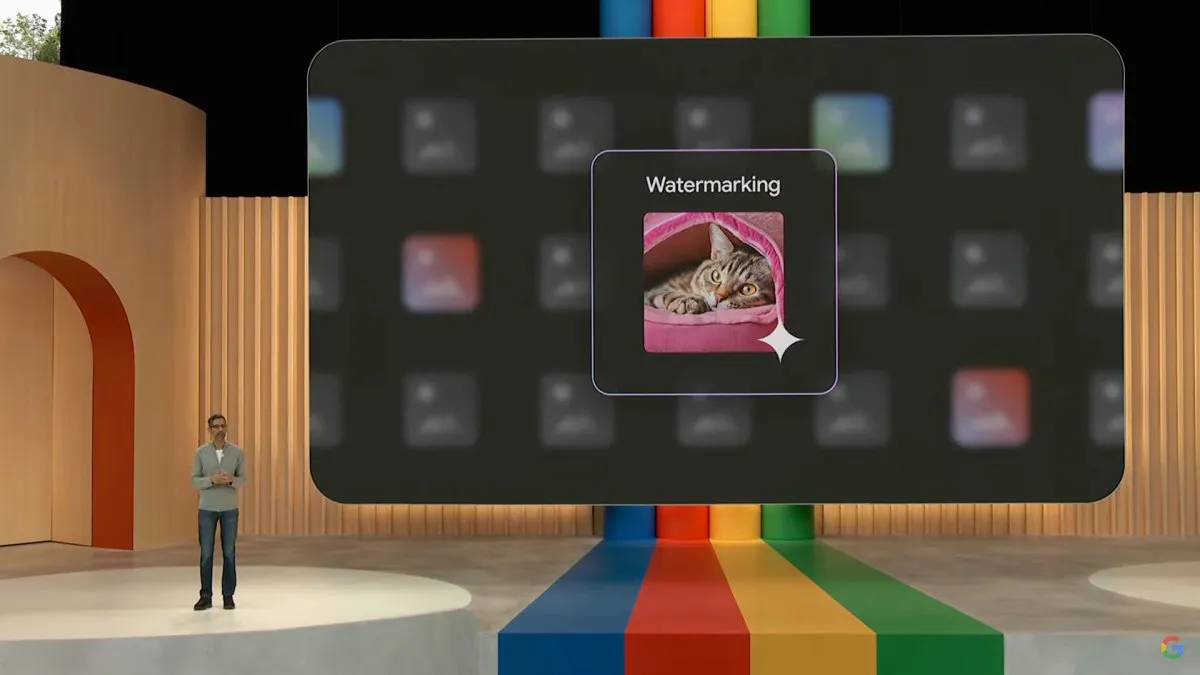
SynthID, introduced at Google’s I/O developer conference in 2025, is designed to combat the rising threat of deepfake technologies. This innovative system embeds an invisible watermark within images generated by its participating tools, such as Google’s Gemini models. While the watermark remains imperceptible to the human eye, it is detectable by SynthID algorithms. This invisibility is a double-edged sword; it allows for seamless integration within images while simultaneously making it a challenge for non-compliant tools to identify these markers.
The Mechanics of Watermarking
The watermarking process is critical because it ensures that even if an image is screen-captured or shared across various platforms, the embedded signature remains intact. This feature is vital in the fight against misinformation, as it provides a reliable method to trace the authenticity of images back to their origins.
- Invisible Signature: The watermark is not visible to casual observers but detectable by SynthID algorithms.
- Resilience: The watermark survives even when an image is altered or screencaptured.
- Participating Tools: Only images generated by tools that are part of the SynthID program can carry the watermark.

The McConnell Incident: A Case Study
The recent incident surrounding Senator McConnell is a perfect case study for understanding the implications of deepfake technology and the efficacy of SynthID. The image circulated widely on platforms like Reddit and X, quickly gaining traction due to ongoing public concern about the senator’s health following his hospitalization. This scenario exemplifies how quickly misinformation can spread, particularly during sensitive times.
However, thanks to the diligent work of fact-checkers, notably Snopes, the truth was revealed. By checking the image against SynthID’s database, Snopes confirmed that the image contained the SynthID watermark, indicating that it was indeed an AI-generated fabrication. This swift debunking not only provided clarity on the senator’s real condition but also demonstrated the effectiveness of SynthID in combating deepfake narratives.
The Broader Landscape of Deepfake Technology
Deepfake technology has evolved rapidly, with applications spanning from entertainment to malicious uses in political misinformation and identity theft. As these AI-generated images and videos become increasingly convincing, the potential for societal harm rises. The case of Senator McConnell serves as a critical reminder that such tools can be weaponized to create chaos and misinformation.
Legal and Ethical Considerations
The deployment of deepfake technology raises significant legal and ethical questions. For instance, who is responsible when a deepfake leads to misinformation or defamation? Current laws in the U.S. regarding digital content are often lagging behind technological advancements. As a result, there’s an urgent need for policymakers to establish clear regulations that balance innovation with public safety.
The Role of Tech Companies in Combatting Misinformation
Tech giants like Google, OpenAI, and others play a crucial role in mitigating the risks associated with deepfake technology. Google’s SynthID is one example of how technology can be leveraged to combat misinformation. OpenAI joined the initiative in May 2026, integrating similar watermarking capabilities into its own image generation tools.
However, not all players in the AI landscape are participating. For instance, Anthropic has not yet joined the SynthID initiative, which raises concerns about the proliferation of unregulated AI-generated content. The absence of consistent standards across platforms can lead to gaps in detection and verification, making it easier for malicious actors to spread misinformation.

What Can Users Do?
As deepfakes become a more prevalent issue, it is essential for users to arm themselves with knowledge and tools to discern real from fake content. Here are some proactive steps individuals and organizations can take:
- Verify Sources: Always check the source of images or videos before sharing. Reliable fact-checking sites can provide clarity.
- Utilize Verification Tools: Employ tools like those offered by Google and OpenAI to check for watermarks in suspicious images.
- Educate Others: Share knowledge about deepfake technology and its implications within your community to raise awareness.

Key Takeaways
- SynthID effectively debunked a viral deepfake image of Senator McConnell, showcasing its potential.
- The watermark embedded in SynthID images is invisible to the naked eye but detectable by algorithms.
- Deepfake technology poses a significant risk to public trust and safety, necessitating active measures against misinformation.
- Tech companies must collaborate to establish standards for deepfake detection and prevention.
- Users can play an active role in verifying content and educating others about the dangers of misinformation.
Frequently Asked Questions
What is SynthID, and how does it work?
SynthID is a deepfake detection tool developed by Google that embeds an invisible watermark in AI-generated images. This watermark is detectable by specific algorithms, ensuring that even if images are altered, the signature remains intact. Users can verify whether an image contains the SynthID watermark through supported platforms.
Why is deepfake technology a concern?
Deepfake technology poses a significant threat as it can be used to create realistic but false content, leading to misinformation, defamation, and social unrest. The potential for misuse in political contexts or identity theft is particularly alarming, highlighting the need for effective detection and regulatory measures.
How can I verify if an image is a deepfake?
To verify if an image is a deepfake, users can utilize tools like SynthID or OpenAI's public image verification tool. Additionally, checking the credibility of the source and consulting fact-checking websites can provide further assurance of an image's authenticity.
What steps can organizations take to combat misinformation?
Organizations can implement comprehensive media literacy programs, encourage the use of verification tools, and foster a culture of skepticism regarding unverified content. By training employees and stakeholders to recognize signs of misinformation, organizations can better protect themselves and their communities from the spread of false narratives.
Comments
U.S. Military Shifts to Affordable Hunter-Killer Drones Amid Iranian Threats
After losing nearly $1 billion worth of Reaper drones in Iran, the U.S. military is pivoting to cheaper alternatives. This shift reflects the changing landscape of aerial warfare and the pressing need for cost-effective solutions.

Related articles






Popular in Cybersecurity
- Federal Mandate for Autonomous Vehicles: A Call for Safety Compliance
- EU Mandates Google to Share Data and Open AI on Android: What It Means
- GitHub Revamps Bug Bounty Program: Implications for Developers and Security
- Australian Government Disables Thousands of Functional Broadband Routers: A Wasteful Decision
- Exploiting Redis: Understanding Zero-Day Vulnerabilities and Their Mitigation