Australian Government Disables Thousands of Functional Broadband Routers: A Wasteful Decision
The Australian government's decision to disable thousands of functioning routers used in a broadband testing program raises serious concerns about e-waste and the potential for repurposing technology. This article explores the implications of this decision and what can be done to address it.

In a move that has sparked outrage among volunteers and tech enthusiasts alike, the Australian government has instructed participants in its Measuring Broadband Australia (MBA) program to discard thousands of functioning routers. These devices, supplied by SamKnows as part of a government initiative to measure broadband performance, were disabled on June 30, 2026, following the program's conclusion. This decision not only raises questions about the management of government resources but also highlights the ongoing issue of electronic waste (e-waste) in an increasingly digital world.
The MBA program, initiated by the Australian Competition and Consumer Commission (ACCC), aimed to gauge the effectiveness of broadband services across Australia, specifically focusing on those provided through the National Broadband Network (NBN). Volunteers received SamKnows whitebox routers that collected data on internet speeds and performance metrics. However, despite the utility of these devices, they were rendered inoperable at the end of the program, leading to an unnecessary loss of technology that could have been repurposed or recycled responsibly.
The Measuring Broadband Australia Program: A Brief Overview
The ACCC’s MBA program was designed to provide Australians with accurate information regarding their internet service providers' performance. Launched in 2020, the initiative sought to improve transparency and competition in the broadband market. Volunteers across the country were given whitebox routers that monitored their internet performance, feeding critical data back to the ACCC.
Impact of the Program
The MBA program was well-received, with the ACCC initially distributing about 4,000 routers, of which over 2,600 were allocated by December 2020. These devices were equipped to conduct performance tests using servers maintained by SamKnows, producing valuable insights into the broadband landscape in Australia. The program culminated in a detailed performance report, providing consumers with essential information to make informed decisions about their internet service providers.

Unraveling the E-Waste Crisis
The decision to disable the routers after the program's conclusion raises significant concerns about e-waste. In an era where sustainability is becoming increasingly important, the disposal of functional technology is a counterproductive move that contradicts efforts to reduce electronic waste. According to the Global E-Waste Monitor, approximately 53.6 million metric tons of e-waste were generated globally in 2019, a figure expected to rise sharply in the coming years.
The E-Waste Dilemma
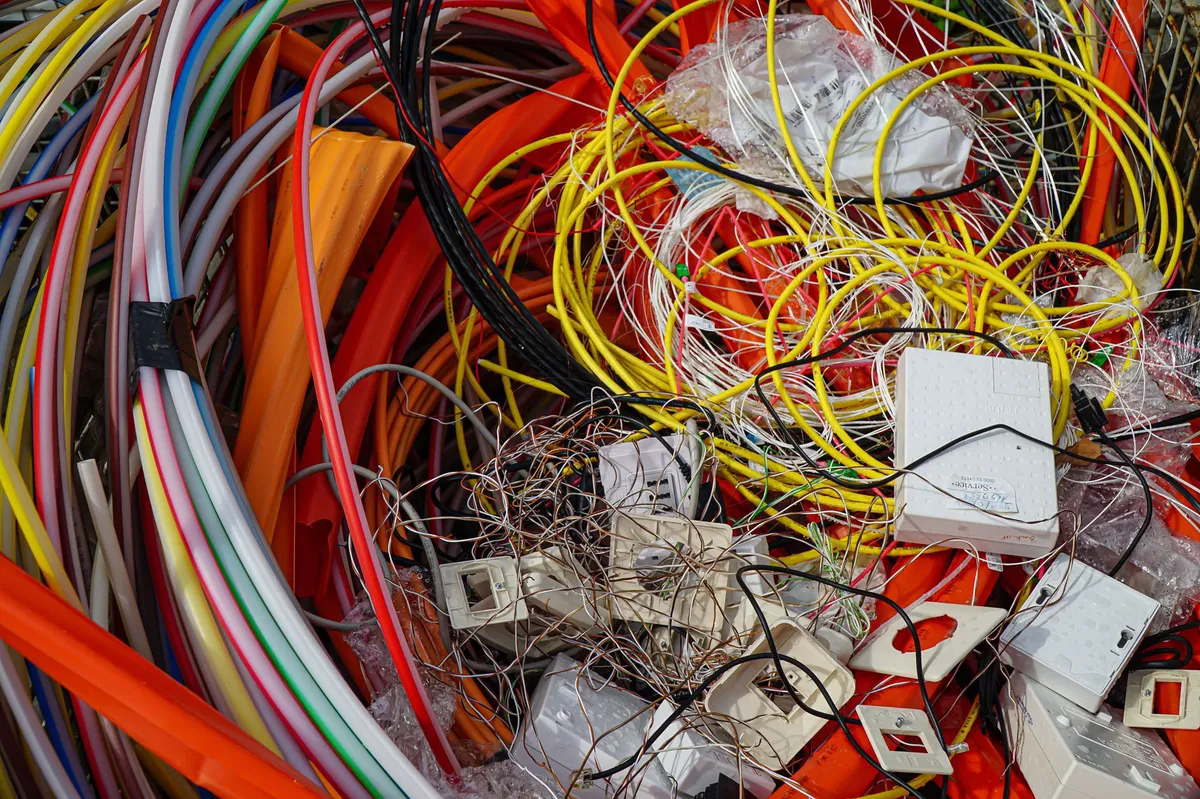
Electronic waste comprises discarded electrical devices, and its improper disposal poses severe environmental risks. Many components in electronic devices can be hazardous, leaching harmful substances into the environment. Furthermore, the loss of usable technology translates into significant financial waste. The Australian government’s decision to disable routers represents a broader trend where functioning devices are discarded rather than repurposed or recycled.
Potential for Repurposing: A Missed Opportunity
One of the most troubling aspects of this situation is the fact that the disabled routers could have been easily repurposed. The whiteboxes run on a modified version of OpenWRT, an open-source operating system that allows for significant customization. A number of tech-savvy individuals have already demonstrated that these routers can be reflashed and transformed into high-performance Wi-Fi routers with relative ease.
Community Solutions
Some volunteers have taken the initiative to reflash their devices, turning them into functional routers that can serve homes or small businesses. However, this process requires technical skills and equipment, such as a soldering iron, which may not be accessible to all volunteers. The broader community could benefit from a more structured approach to repurposing these devices, potentially through workshops or community events aimed at teaching individuals how to safely and effectively reflash their routers.
- Environmental Impact: Disabling functioning devices contributes to e-waste and environmental degradation.
- Community Engagement: Empowering volunteers to repurpose technology could foster community resilience.
- Technical Training: Offering training on device reflashing could increase technical literacy.
Government Accountability and Future Considerations
The lack of transparency from the ACCC and SamKnows regarding the decision to disable the routers raises questions about accountability. When asked about the rationale behind this choice, the ACCC issued a statement emphasizing that the whiteboxes were specifically designed for the MBA program and were no longer operational after its conclusion. However, critics argue that a firmware update could have allowed these devices to remain functional for the end-users.
Addressing E-Waste Concerns
To mitigate e-waste, stakeholders, including government agencies and tech companies, must prioritize sustainable practices. This includes investing in recycling programs that responsibly handle electronic waste and developing policies that encourage the refurbishment and repurposing of devices. The approach taken by the ACCC and SamKnows in this instance serves as a cautionary tale for future initiatives, emphasizing the need for a more sustainable, user-focused mindset.
Key Takeaways
- The Australian government disabled thousands of functional routers, raising e-waste concerns.
- Volunteers could easily repurpose the devices, highlighting the potential for sustainable practices.
- Transparency and accountability are crucial for future government technology initiatives.
- Community engagement in technology can foster both sustainability and technical literacy.
Frequently Asked Questions
What will happen to the disabled routers?
The routers disabled by the Australian government are no longer operational and are intended for disposal. Volunteers have been advised to unplug the devices and dispose of them through environmentally responsible e-waste recycling services. However, the fate of these devices could have been different if a firmware update had been implemented to allow continued use.
Can the routers be reused or repurposed?
Yes, the routers can be repurposed. They run on a modified version of OpenWRT, making it possible for tech-savvy individuals to reflash them and use them as standard Wi-Fi routers. This process, while requiring some technical skill, demonstrates the potential for sustainable practices that could extend the life of the devices.
What are the environmental implications of this decision?
The decision to disable functioning routers contributes to the e-waste crisis, which poses environmental risks due to the leaching of harmful substances from discarded electronics. The unnecessary disposal of usable technology not only adds to the growing e-waste problem but also signifies a missed opportunity for sustainable resource management.
How can communities engage in repurposing technology?
Communities can engage in repurposing efforts by hosting workshops that teach individuals how to reflash devices and repurpose them for different uses. These initiatives can empower participants with technical skills, promote sustainability, and reduce electronic waste. Collaboration with local tech organizations and educational institutions can enhance the effectiveness of such programs.
Comments
U.S. Military Shifts to Affordable Hunter-Killer Drones Amid Iranian Threats
After losing nearly $1 billion worth of Reaper drones in Iran, the U.S. military is pivoting to cheaper alternatives. This shift reflects the changing landscape of aerial warfare and the pressing need for cost-effective solutions.

Related articles





Popular in Cybersecurity
- Federal Mandate for Autonomous Vehicles: A Call for Safety Compliance
- EU Mandates Google to Share Data and Open AI on Android: What It Means
- GitHub Revamps Bug Bounty Program: Implications for Developers and Security
- Exploiting Redis: Understanding Zero-Day Vulnerabilities and Their Mitigation
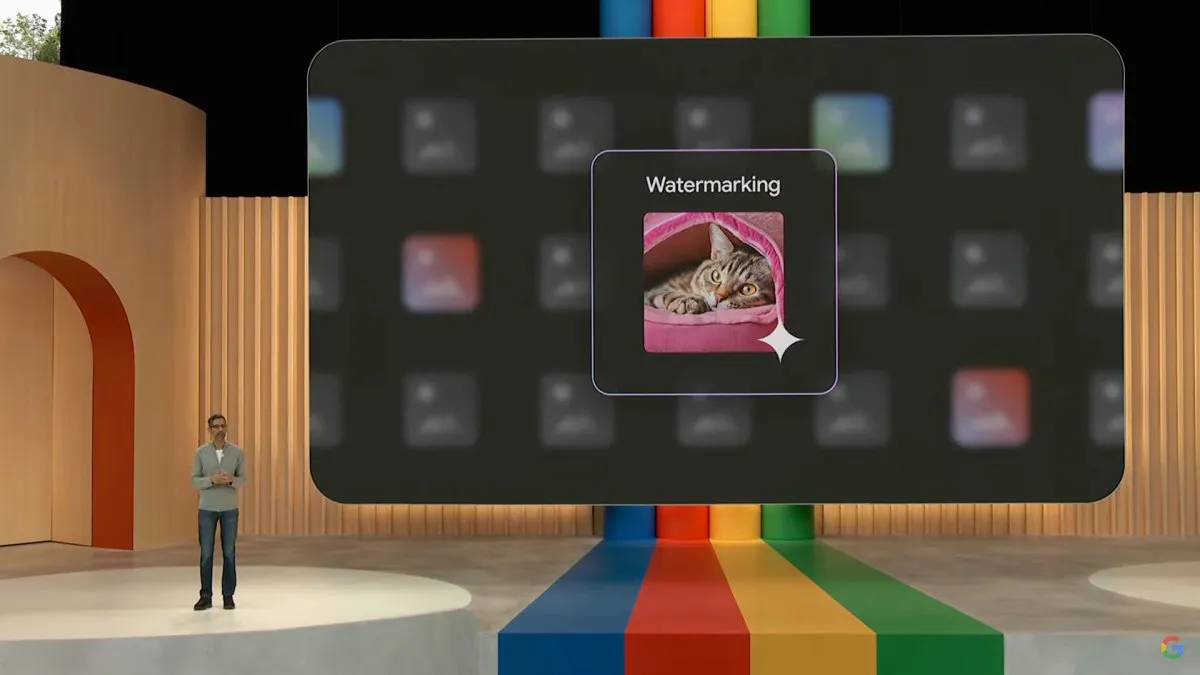
- Google's SynthID: A Breakthrough in Deepfake Detection