U.S. Military Shifts to Affordable Hunter-Killer Drones Amid Iranian Threats
After losing nearly $1 billion worth of Reaper drones in Iran, the U.S. military is pivoting to cheaper alternatives. This shift reflects the changing landscape of aerial warfare and the pressing need for cost-effective solutions.
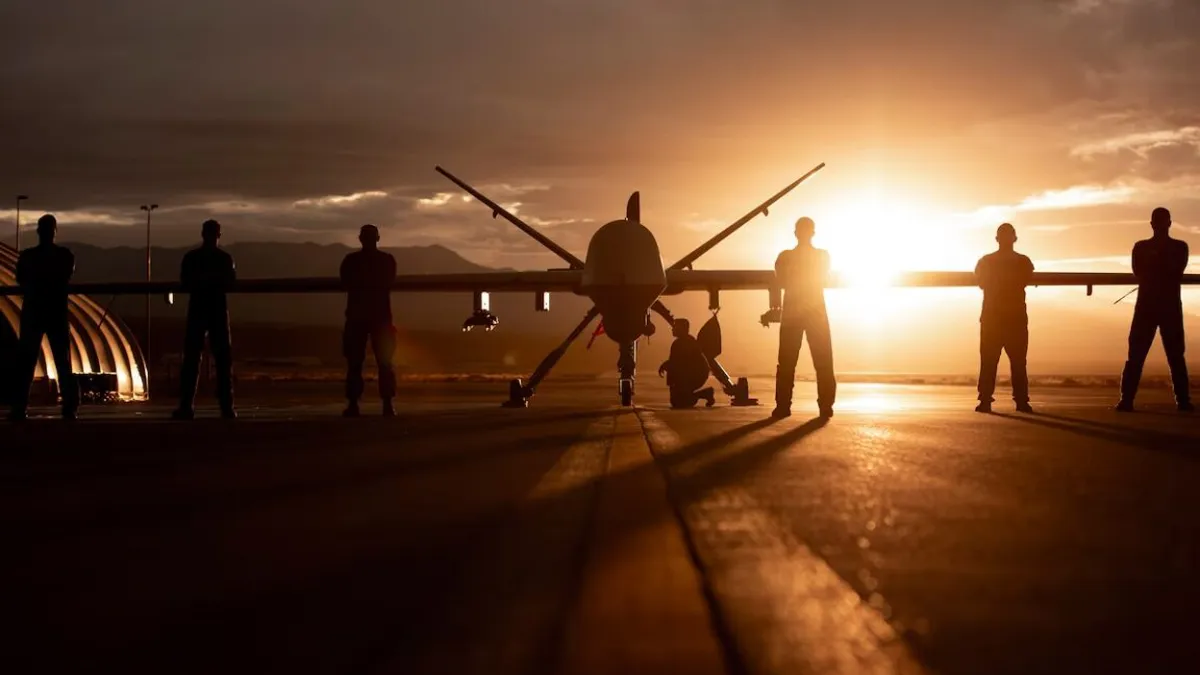
The U.S. military is at a pivotal crossroads in its drone warfare strategy. Following a series of costly engagements in Iran that resulted in the loss of nearly 30 MQ-9 Reaper drones—totaling over $1 billion—the Pentagon is re-evaluating its reliance on expensive, sophisticated unmanned aerial vehicles (UAVs). The current geopolitical climate, particularly the evolving threat landscape posed by adversaries like Iran, has prompted military leaders to seek out more affordable drone options that can withstand the harsh realities of modern combat.
The Iranian military's effective countermeasures have demonstrated the vulnerabilities of high-cost drone technology. As the U.S. experiences rising operational costs and increasingly sophisticated enemy defenses, the call for a more sustainable and cost-effective approach is not just strategic but essential for future military engagements.
The Cost of Drone Warfare: A Financial Burden
In the wake of the U.S. military's involvement in Iran, the financial implications of drone warfare have become alarmingly clear. The MQ-9 Reaper, a prominent workhorse of the U.S. Air Force, typically costs around $30 million per unit. However, when fully equipped with advanced sensor packages, the price tag can escalate to $50 million. With nearly 30 Reapers lost in combat due to Iranian air defenses and ongoing counterstrikes, the financial toll has compounded, leading to a staggering total loss of approximately $1 billion for U.S. taxpayers.
This financial strain has raised questions about the sustainability of the current drone strategy, especially as adversaries like Iran enhance their air defense systems, which are increasingly affordable and accessible. The military's reliance on premium drone technology is now seen as “unsustainable” against foes equipped with less expensive, yet effective, anti-aircraft capabilities.
The Shift Towards Cost-Effective Solutions
In response to these challenges, the Pentagon's Defense Innovation Unit has issued a call for proposals for new drone models that meet specific operational requirements without the exorbitant price tag. This initiative aims to procure drones that can carry a payload of up to 2,800 pounds and possess a combat radius of at least 2,300 nautical miles, or 8,000 nautical miles for one-way missions.
The envisioned drones are expected to replicate the critical missions currently performed by the Reaper, including surveillance, reconnaissance, and targeted strikes, all while minimizing costs and potential losses. This shift mirrors the tactics employed by Ukraine’s military, which has effectively utilized lower-cost drones and missiles to penetrate Russian air defenses and disrupt supply lines.
Lessons Learned from Ukraine's Drone Warfare
The ongoing conflict in Ukraine has been a case study in the strategic use of drones in modern warfare. By deploying hundreds of relatively inexpensive UAVs and missiles, Ukraine has managed to overwhelm Russian air defenses, demonstrating that volume can be a potent counter to quality. This approach has not only preserved Ukrainian military assets but has also allowed for sustained pressure on Russian supply lines and critical infrastructure.
The U.S. military now seeks to adopt similar tactics, recognizing that a diversified fleet of cost-effective drones can serve multiple roles without incurring the same level of risk and expenditure associated with high-value platforms like the Reaper. This strategic pivot is not simply about replacing lost assets; it reflects a broader transformation in military doctrine regarding air power and unmanned systems.
Future of Drone Warfare: A Balancing Act
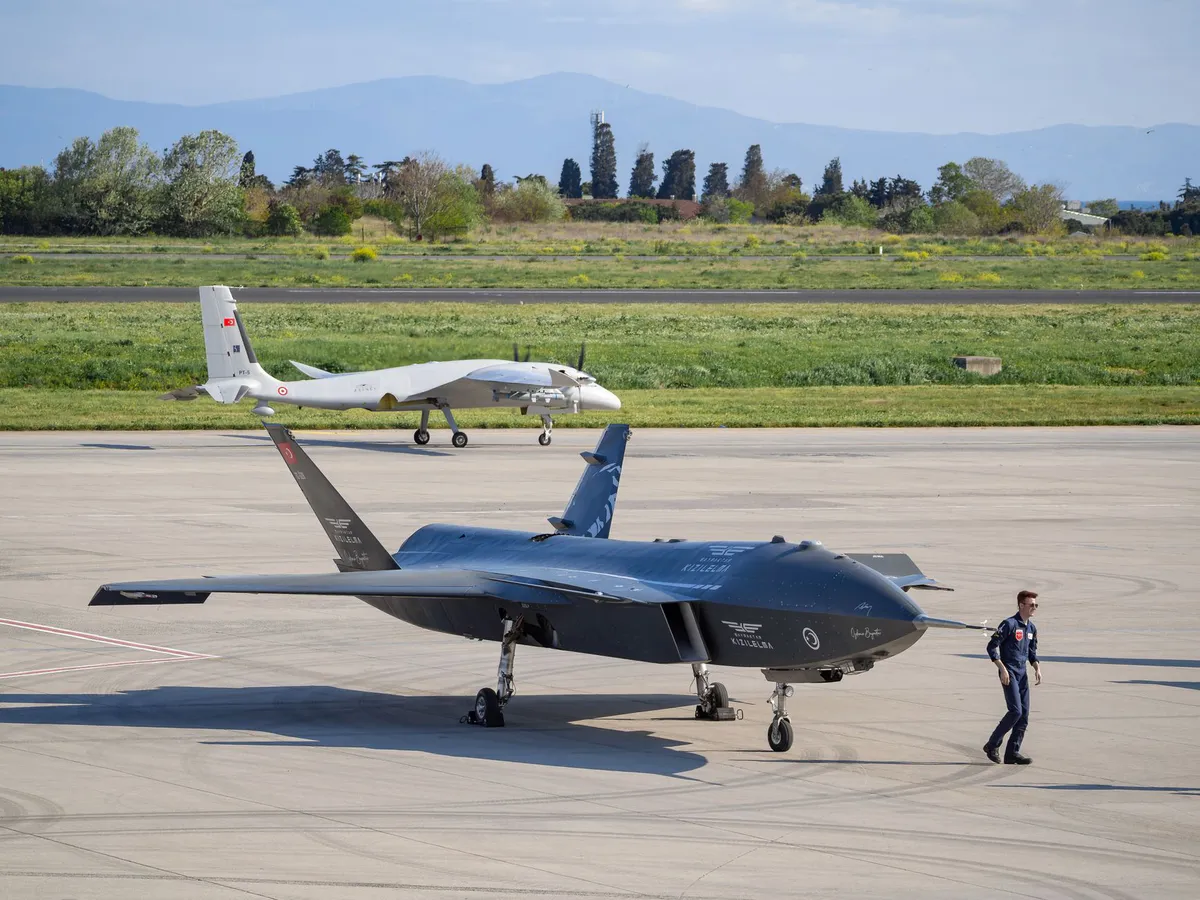
While the push for more affordable drones is a necessary response to current battlefield realities, it raises several important questions about the future of aerial warfare. As the Pentagon aims to deploy 20 mission-ready aircraft by 2031, there are concerns regarding the balance between cost, capability, and the potential for increased operational losses.
Moreover, the challenge lies in ensuring that these new drones can perform the same complex missions as their predecessors without compromising on effectiveness. The military's ability to adapt to technological advancements and enemy tactics will be crucial in determining the success of this initiative.
Budget Implications and Industry Response
The Pentagon has requested approximately $54 billion in its fiscal year 2027 budget for drones and autonomous warfare technologies, a figure that underscores the urgency of this transition. This budget allocation rivals the entire military budget of wartime Ukraine, signaling the U.S. commitment to enhancing its aerial capabilities in an increasingly contested environment.
As companies like General Atomics, which previously manufactured the Reaper, explore opportunities to provide cheaper alternatives, the defense industry must innovate to meet the military's new demands. The ability to produce effective yet affordable drones will not only serve the U.S. military's immediate needs but could also reshape the global defense landscape as other nations look to adopt similar strategies.
Key Takeaways
- The U.S. military is shifting towards more affordable drones in response to significant losses in Iran.
- Cost-effective UAVs can help mitigate the financial burden of high-value platforms like the MQ-9 Reaper.
- The conflict in Ukraine highlights the effectiveness of overwhelming enemy defenses with lower-cost drone strategies.
- The Pentagon aims for a new generation of drones with specific operational capabilities by 2031.
- Budget allocations indicate a strong commitment to enhancing drone technology and capabilities amidst evolving threats.
Frequently Asked Questions
What are the main reasons for the U.S. military's shift to cheaper drones?
The primary reason for the shift is the substantial financial losses incurred from the destruction of high-cost drones, particularly the MQ-9 Reaper, during operations in Iran. As adversaries develop more effective anti-aircraft capabilities, the U.S. military recognizes the need for cost-effective alternatives that can sustain operational effectiveness while minimizing the risk of significant financial expenditure.
How does the use of cheaper drones compare to expensive platforms in combat?
Cheaper drones can provide a strategic advantage by allowing for mass deployment, which can overwhelm enemy defenses. While expensive platforms like the Reaper offer advanced capabilities, their high cost makes them vulnerable in contested environments. By utilizing a larger fleet of affordable drones, the military can maintain operational tempo and mitigate risks associated with losing high-value assets.
What are the expected capabilities of the new drones being proposed?
The new drones are expected to carry payloads up to 2,800 pounds and have a combat radius of at least 2,300 nautical miles, with the potential for one-way missions extending to 8,000 nautical miles. They will need to replicate the critical surveillance and strike missions currently performed by the Reaper while being designed for cost-effective production and deployment.
What is the significance of the Pentagon's budget request for drone technology?
The Pentagon's budget request of approximately $54 billion for drone and autonomous warfare technologies highlights the urgency and strategic importance of enhancing aerial combat capabilities in response to evolving threats. This investment is crucial for ensuring that the U.S. military remains competitive in future conflicts, especially as global adversaries continue to advance their own drone technologies.
Comments
Australian Government Disables Thousands of Functional Broadband Routers: A Wasteful Decision
The Australian government's decision to disable thousands of functioning routers used in a broadband testing program raises serious concerns about e-waste and the potential for repurposing technology. This article explores the implications of this decision and what can be done to address it.

Related articles






Popular in Cybersecurity
- Federal Mandate for Autonomous Vehicles: A Call for Safety Compliance
- EU Mandates Google to Share Data and Open AI on Android: What It Means
- GitHub Revamps Bug Bounty Program: Implications for Developers and Security
- Australian Government Disables Thousands of Functional Broadband Routers: A Wasteful Decision
- Exploiting Redis: Understanding Zero-Day Vulnerabilities and Their Mitigation