Protecting Against Cyber Threats: The Rise of MATCHBOIL.V2 and AI in Cybersecurity
As cyber threats evolve, organizations must fortify their defenses against sophisticated attacks like MATCHBOIL.V2. Discover how AI is shaping cybersecurity strategies and actionable steps to enhance your security posture.
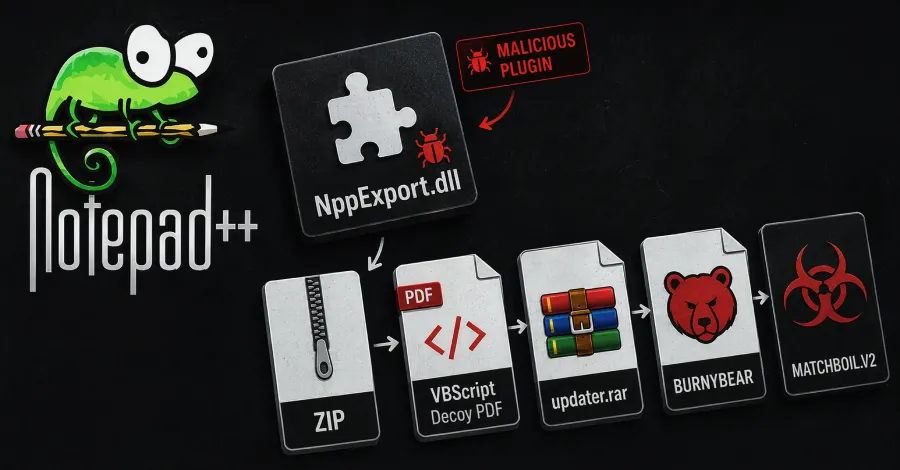
In an age where cyber threats are increasingly complex, organizations face a relentless onslaught of attacks that can compromise sensitive data and disrupt operations. Among the latest threats is MATCHBOIL.V2, a sophisticated malware strain that has been linked to attacks leveraging fake Notepad++ plugins. This alarming development underscores the need for robust cybersecurity measures and highlights the role of artificial intelligence (AI) in both perpetrating and preventing such attacks.
As adversaries become more adept at exploiting vulnerabilities, the integration of AI in cybersecurity has emerged as a double-edged sword. While AI tools can bolster defenses, they can also facilitate more targeted and effective attacks. This article delves into the nature of the MATCHBOIL.V2 threat, the implications of AI in cybersecurity, and outlines actionable steps organizations can take to secure their systems.
Understanding MATCHBOIL.V2: The Threat Landscape
MATCHBOIL.V2 represents a new wave of cyber threats that leverage social engineering tactics to bypass traditional security measures. This malware variant is often delivered through malicious plugins masquerading as legitimate software, such as Notepad++. Once installed, it can grant attackers unauthorized access to the victim's system, enabling data theft, ransomware deployment, or further exploitation.
Characteristics of MATCHBOIL.V2:
- Delivery Method: Utilizes fake software plugins to deceive users.
- Infection Vector: Often spreads through phishing emails or compromised websites.
- Payload: Capable of executing various malicious activities, including data exfiltration and system manipulation.
Organizations must recognize that the use of seemingly benign software tools can lead to catastrophic security breaches. The rise of such threats necessitates a proactive approach to cybersecurity, particularly in educating employees about the risks of downloading unverified applications.

The Role of AI in Cybersecurity
AI has become a cornerstone in modern cybersecurity strategies. Its ability to analyze vast amounts of data and identify patterns makes it invaluable for threat detection and response. However, the same technologies that help defend against threats can also be leveraged by cybercriminals to enhance their attacks.
AI for Defense
Organizations are increasingly using AI to:
- Enhance Threat Detection: Machine learning algorithms can analyze network traffic and user behavior to identify anomalies that may indicate a breach.
- Automate Responses: AI-driven systems can respond to threats in real-time, isolating affected systems to prevent further damage.
- Predict Future Attacks: By analyzing historical data, AI can help predict potential vulnerabilities and inform preventive measures.
AI as a Double-Edged Sword
On the flip side, cybercriminals are utilizing AI to:
- Develop Sophisticated Malware: AI can be used to create malware that adapts to security measures, making it more difficult to detect.
- Automate Phishing Attacks: AI tools enable the creation of highly personalized phishing campaigns that are more likely to deceive users.
- Bypass Traditional Security Protocols: AI can help attackers identify and exploit vulnerabilities in systems more efficiently.

Five Steps to Secure Against Software Vulnerabilities
To mitigate the risks associated with threats like MATCHBOIL.V2, organizations must implement a comprehensive cyber defense strategy. Here are five actionable steps to bolster your cybersecurity posture:
1. Educate Employees
Training staff on recognizing phishing attempts and the importance of downloading software only from trusted sources is crucial. Regular workshops can instill a culture of security awareness.
2. Implement Multi-Factor Authentication (MFA)
Using MFA adds an additional layer of security, making it significantly harder for attackers to gain unauthorized access to systems, even if they obtain a user's password.
3. Regularly Update Software
Keeping software up to date is essential for patching known vulnerabilities. Organizations should establish a routine for applying updates and consider automated solutions to streamline this process.
4. Deploy Advanced Threat Detection Tools
Invest in AI-driven security solutions that can analyze patterns and detect unusual behavior. These tools can help identify threats before they lead to significant damage.
5. Conduct Regular Security Audits
Performing regular security assessments can help identify weaknesses in your defenses. Engaging third-party security experts can provide an unbiased evaluation of your security posture.

Key Takeaways
- MATCHBOIL.V2 is a sophisticated malware strain that exploits fake software plugins.
- AI plays a dual role in cybersecurity, aiding both defense and attack strategies.
- Employee education and awareness are critical in preventing cyber threats.
- Implementing multi-factor authentication can significantly enhance security.
- Regular software updates and security audits are essential for maintaining a robust defense.
Frequently Asked Questions
What is MATCHBOIL.V2 and how does it spread?
MATCHBOIL.V2 is a type of malware that infects systems through fake software plugins, often disguised as legitimate applications. It spreads primarily via phishing emails and compromised websites, tricking users into downloading and installing it.
How can AI enhance cybersecurity measures?
AI enhances cybersecurity by analyzing data patterns, detecting anomalies, and automating responses to threats. It helps organizations predict potential vulnerabilities and respond in real-time to emerging threats, thus improving overall security posture.
What steps can organizations take to prevent malware infections?
Organizations can prevent malware infections by educating employees about cybersecurity best practices, implementing multi-factor authentication, regularly updating software, deploying advanced threat detection tools, and conducting routine security audits.
Why is employee training important in cybersecurity?
Employee training is vital in cybersecurity as human error is often the weakest link in security. Educating staff on recognizing threats and safe software practices reduces the likelihood of successful attacks and fosters a culture of security awareness within the organization.
Comments
AI Security Concerns: OpenAI's Model Breach and Kimi's Impact
The recent breach involving an unreleased OpenAI model highlights critical vulnerabilities in AI security. Coupled with the viral Kimi model from a Chinese AI lab, the industry is facing intense scrutiny over AI risks.

Related articles




Popular in Cybersecurity
- Federal Mandate for Autonomous Vehicles: A Call for Safety Compliance
- EU Mandates Google to Share Data and Open AI on Android: What It Means
- GitHub Revamps Bug Bounty Program: Implications for Developers and Security
- Australian Government Disables Thousands of Functional Broadband Routers: A Wasteful Decision
- Exploiting Redis: Understanding Zero-Day Vulnerabilities and Their Mitigation