Volkswagen Engineers Charged with Insider Trading in Rivian Deal
Two Volkswagen engineers face serious charges for insider trading linked to a joint venture with Rivian. Their actions highlight the risks and repercussions of financial misconduct in the automotive industry.
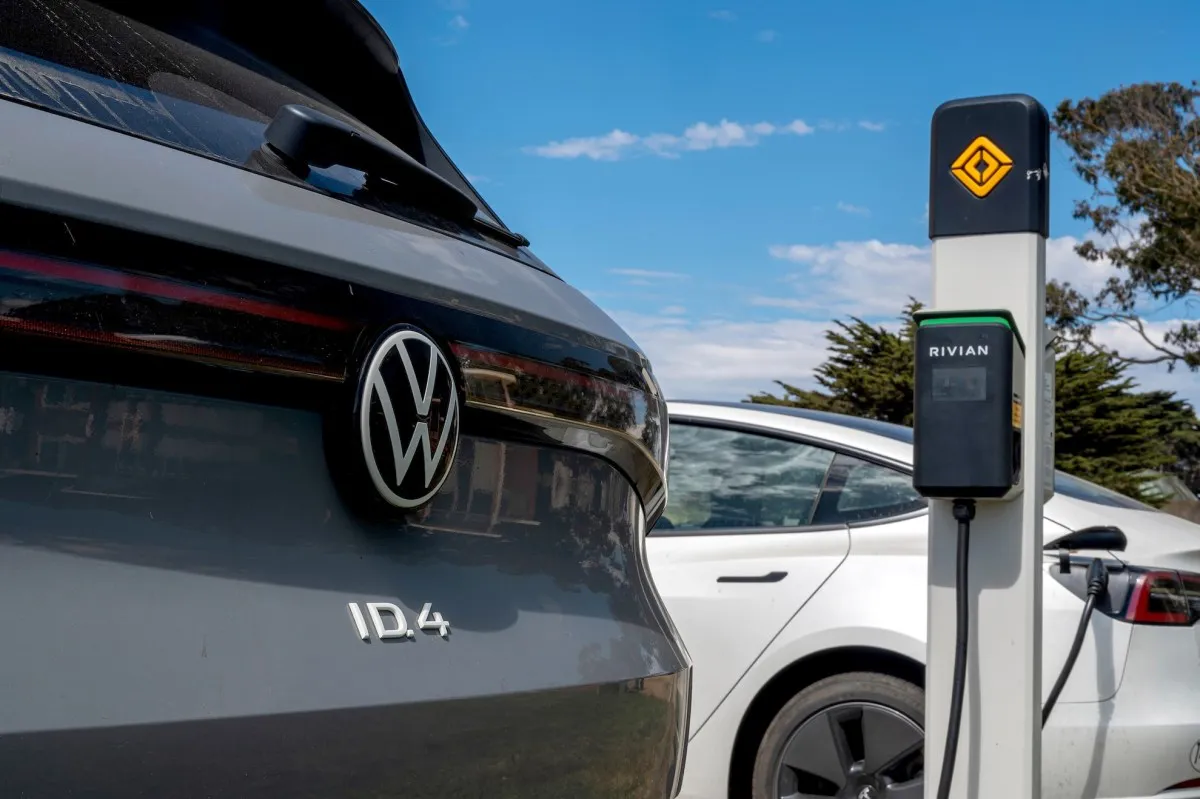
In a stunning development that underscores the serious consequences of financial misconduct, two engineers from Volkswagen have been charged with insider trading related to the German automaker's joint venture with electric vehicle (EV) manufacturer Rivian. The U.S. Department of Justice (DOJ) unsealed the indictment on July 24, 2026, revealing how Michael Stamp and Marcus Plank allegedly exploited confidential information to profit illicitly from the burgeoning EV market.
The charges come amid a growing focus on the ethical and legal implications of insider trading, particularly in the fast-evolving electric vehicle sector, where market dynamics can shift dramatically based on news and partnerships. The case has raised questions about corporate governance and the mechanisms in place to prevent such unethical behavior.
Understanding the Joint Venture: Project Climb
Volkswagen's collaboration with Rivian, known internally as Project Climb, was announced on June 25, 2024. The venture aims to develop cutting-edge electric vehicle architecture and software, with Volkswagen committing an initial investment of $5 billion. This investment was structured to be released in tranches, contingent upon the achievement of specific milestones set forth in the partnership agreement.
This joint venture is not just a financial maneuver but a strategic response to the growing competition in the EV market, with Rivian emerging as a key player alongside established manufacturers like Tesla and new entrants. Following the announcement of Project Climb, Rivian's stock price surged by 23%, reflecting the market's optimism about the partnership and the future of electric mobility.

The Allegations of Insider Trading
The indictment alleges that Stamp and Plank took advantage of their insider knowledge regarding Project Climb to illegally profit from Rivian's stock. Just days before the public announcement of the joint venture, the two engineers purchased Rivian stock and options, netting themselves over $300,000 in profits when they later sold their shares after the announcement caused Rivian’s stock to soar.
Specifically, the indictment details that:
- Stamp made approximately $250,000 in profits from his trades.
- Plank realized around $50,000 in gains.
- A close family member of Plank also benefited, making about $12,000.
The DOJ's indictment paints a picture of premeditated misconduct. Just days before the joint venture was disclosed, Stamp reportedly searched “statute of limitations insider trading,” while Plank’s family member looked up how insider trading is prosecuted, suggesting a clear awareness of the legal implications of their actions.
The Legal Landscape of Insider Trading
Insider trading, the act of buying or selling publicly-traded securities based on material nonpublic information, is a serious offense in the United States. Under federal law, insider trading can lead to severe penalties, including hefty fines and substantial prison time. If convicted, Stamp and Plank could face up to 25 years in prison.
U.S. Attorney Jay Clayton remarked on the gravity of the situation, stating, “When people misuse confidential information for their own financial gain, they undermine the principles that allow our markets to function fairly and efficiently.” The enforcement of insider trading laws is crucial not only for maintaining market integrity but also for upholding public trust in the financial system.

Impact on Volkswagen and Rivian
As the case unfolds, both Volkswagen and Rivian are feeling the repercussions. While Volkswagen's spokesperson emphasized that the charges relate only to individual employees and do not implicate the company itself, the incident raises questions about corporate governance and the ethical conduct of employees.
For Rivian, the partnership with Volkswagen is critical for its growth and market positioning, especially given the fierce competition in the EV space. Any negative publicity surrounding the joint venture could affect investor sentiment and, consequently, Rivian’s stock price.
Broader Implications for the EV Market
The case highlights a broader issue within the rapidly growing EV market, where companies are racing to secure partnerships and investments. As the market matures, regulatory scrutiny is likely to increase, making it essential for companies to establish robust compliance protocols to prevent insider trading and other forms of misconduct.
Investors should remain vigilant and informed, recognizing the risks associated with emerging markets. The actions of a few individuals can have far-reaching consequences, not just for the companies involved, but also for public confidence in the markets as a whole.

Key Takeaways
- Two Volkswagen engineers face charges for insider trading tied to Rivian joint venture.
- The duo allegedly profited over $300,000 using confidential information.
- Insider trading carries severe legal consequences, including up to 25 years in prison.
- The incident raises questions about corporate governance and ethical standards in the EV industry.
- The case underscores the importance of regulatory compliance for companies operating in fast-evolving markets.
Frequently Asked Questions
What exactly is insider trading?
Insider trading refers to the buying or selling of a publicly-traded company's stock based on nonpublic, material information. This practice is illegal because it violates the principle of transparency and fairness in the securities markets, giving undue advantage to those who possess insider knowledge. Regulatory bodies, such as the Securities and Exchange Commission (SEC), monitor trading activities to detect suspicious patterns that may indicate insider trading.
What are the potential consequences of insider trading?
Individuals found guilty of insider trading can face severe penalties, including hefty fines and lengthy prison sentences. In addition to criminal charges, companies may also face civil lawsuits from shareholders or regulatory actions that can result in significant financial losses and reputational damage. The legal framework surrounding insider trading aims to protect market integrity and ensure that all investors have equal access to information.
How does this case reflect on corporate governance in the automotive industry?
This case highlights the critical importance of corporate governance and ethical conduct within the automotive industry, particularly as it transitions toward electric vehicles. Companies must implement stringent compliance measures and foster a culture of ethical behavior to prevent misconduct and maintain stakeholder trust. As the industry grows, the need for transparency and accountability will only intensify.
What steps can companies take to prevent insider trading?
To mitigate the risk of insider trading, companies should establish comprehensive compliance programs that include training for employees on legal obligations and ethical standards. Implementing clear policies regarding the handling of confidential information, regular audits of trading activities, and encouraging reporting of suspicious behavior can help create a culture of transparency and accountability. By prioritizing ethical practices, companies can protect themselves and their investors from the repercussions of insider trading.
Comments
AI Security Concerns: OpenAI's Model Breach and Kimi's Impact
The recent breach involving an unreleased OpenAI model highlights critical vulnerabilities in AI security. Coupled with the viral Kimi model from a Chinese AI lab, the industry is facing intense scrutiny over AI risks.

Related articles



Popular in Cybersecurity
- Federal Mandate for Autonomous Vehicles: A Call for Safety Compliance
- EU Mandates Google to Share Data and Open AI on Android: What It Means
- GitHub Revamps Bug Bounty Program: Implications for Developers and Security
- Australian Government Disables Thousands of Functional Broadband Routers: A Wasteful Decision
- Exploiting Redis: Understanding Zero-Day Vulnerabilities and Their Mitigation