Addressing Critical Software Vulnerabilities: CISA's Latest Updates
The CISA has added four new vulnerabilities to its KEV catalog, emphasizing the urgency for organizations to bolster their cybersecurity measures. This article explores the implications and offers actionable steps for securing against these threats.
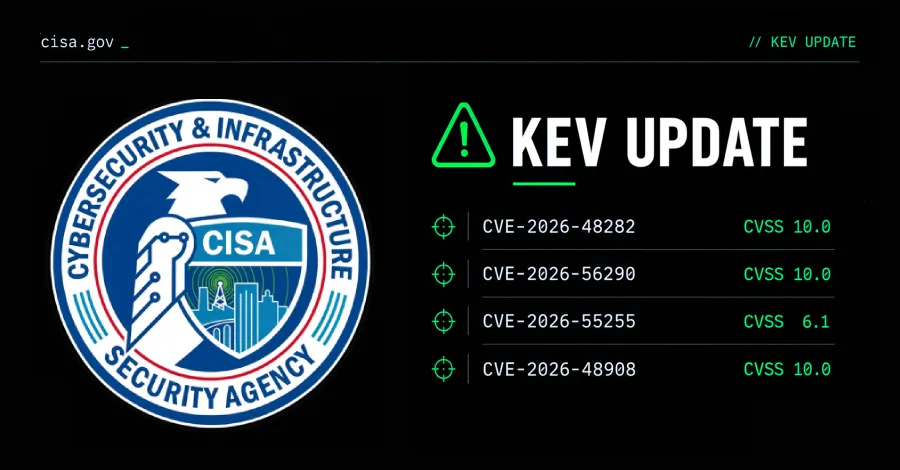
In an era where cybersecurity threats are evolving at an unprecedented pace, the Cybersecurity and Infrastructure Security Agency (CISA) has taken a strong stance by updating its Known Exploited Vulnerabilities (KEV) catalog. Recently, CISA added four new vulnerabilities affecting popular platforms such as Adobe, Joomla, and Langflow. These vulnerabilities are not just theoretical concerns; they are actively exploited in the wild, posing significant risks to organizations that rely on these technologies. The urgency to address these vulnerabilities has never been more critical, and understanding the implications is vital for businesses striving to maintain secure operations.
As CISA's announcements make clear, the intersection of software vulnerabilities and advanced technologies like artificial intelligence (AI) amplifies the stakes. AI is rapidly becoming a double-edged sword in cybersecurity—while it enhances threat detection and response capabilities, it also equips attackers with tools to exploit vulnerabilities more effectively. In this feature, we will delve deeper into the recent vulnerabilities identified by CISA, their potential impact, and actionable strategies for organizations to safeguard their systems.
Understanding the Newly Added Vulnerabilities
The four vulnerabilities highlighted by CISA span critical software used by countless organizations across various sectors. Here’s a closer look:
- Adobe Vulnerability: This issue allows attackers to execute arbitrary code on affected systems, potentially leading to unauthorized access and data breaches.
- Joomla Vulnerability: A flaw in this popular content management system (CMS) could enable SQL injection attacks, compromising sensitive data stored in databases.
- Langflow Vulnerability: Affecting a lesser-known but increasingly used tool, this vulnerability may allow for remote code execution, giving attackers the ability to control compromised systems.
- Additional Vulnerability: The fourth vulnerability, though not specified in detail, also presents significant risks, emphasizing the need for vigilance.

The Growing Impact of AI on Cybersecurity
Artificial intelligence has transformed numerous industries, and cybersecurity is no exception. AI models can analyze vast amounts of data, identify patterns, and predict potential security incidents. However, this powerful capability also means that malicious actors can leverage AI to enhance their attacks.
For instance, AI-driven tools can automate the discovery of vulnerabilities within software, enabling attackers to exploit them at a much faster rate than in previous years. As organizations adopt AI for their security measures, they must also be aware of the dual-use nature of these technologies. This necessitates a comprehensive approach to cybersecurity that factors in potential AI-driven threats.
Steps to Secure Against Software Vulnerabilities
To effectively defend against the vulnerabilities listed in CISA's KEV catalog and mitigate the risks posed by AI-enhanced threats, organizations should adopt a multi-layered security strategy. Here are five essential steps to bolster your cybersecurity posture:
1. Regular Software Updates
Ensure that all software, including third-party applications, is kept up-to-date. Regular patches and updates often include critical security fixes that can close vulnerabilities before they are exploited.
2. Conduct Vulnerability Assessments
Regularly assess your systems for vulnerabilities using automated tools and manual testing. This proactive approach can help identify weaknesses before attackers can exploit them.
3. Employee Training and Awareness
Educate employees about cybersecurity best practices, including recognizing phishing attempts and suspicious links. Human error is often a significant factor in successful cyberattacks, so training is essential.
4. Implement Multi-Factor Authentication
Use multi-factor authentication (MFA) wherever possible. MFA adds an extra layer of security by requiring users to provide two or more verification factors to gain access to systems, making it much harder for attackers to gain unauthorized access.
5. Monitor and Respond to Threats
Establish a robust monitoring system that can detect unusual activity in real time. Coupling this with a well-defined incident response plan can significantly reduce the impact of a breach if one occurs.

Legal and Regulatory Considerations
Organizations must also navigate the legal landscape regarding data protection and cybersecurity. Regulations such as the General Data Protection Regulation (GDPR) and the California Consumer Privacy Act (CCPA) impose strict requirements on how businesses handle customer data. Failing to address vulnerabilities could result in severe penalties, making it vital for organizations to stay compliant with applicable laws.
In addition to compliance, there is also a growing expectation from customers and partners regarding cybersecurity. Organizations that demonstrate a commitment to securing their systems not only protect their data but also enhance their reputation and trustworthiness in the market.

Key Takeaways
- CISA's KEV catalog now includes four actively exploited vulnerabilities affecting Adobe, Joomla, and Langflow.
- AI is reshaping the cybersecurity landscape, making both defenses and attacks more sophisticated.
- Regular software updates and employee training are essential components of a robust cybersecurity strategy.
- Legal compliance is critical; organizations must adhere to regulations to avoid penalties.
- Implementing multi-factor authentication can significantly enhance security measures.
Frequently Asked Questions
What should organizations do immediately after CISA adds vulnerabilities to the KEV catalog?
Organizations should assess their existing software and systems to determine if they are affected by the newly listed vulnerabilities. If so, immediate steps should include applying relevant patches or upgrades and reviewing security protocols to mitigate any potential risks.
How can AI be a double-edged sword in cybersecurity?
While AI enhances cybersecurity by improving threat detection and response, it can also empower attackers by automating the exploitation of vulnerabilities. This duality necessitates that organizations not only adopt AI for defense but also continuously evaluate how adversaries might use similar tools to breach their systems.
What are the best practices for employee training in cybersecurity?
Effective employee training should include regular workshops and exercises that simulate real-world attacks, such as phishing campaigns. Additionally, fostering a culture of security awareness can empower employees to be vigilant and proactive about cybersecurity risks.
How does legal compliance impact cybersecurity efforts?
Legal compliance shapes cybersecurity strategies by imposing specific obligations on organizations regarding data protection and breach response. Non-compliance can lead to significant fines and reputational damage, making it critical for organizations to integrate compliance considerations into their overall cybersecurity posture.
Comments
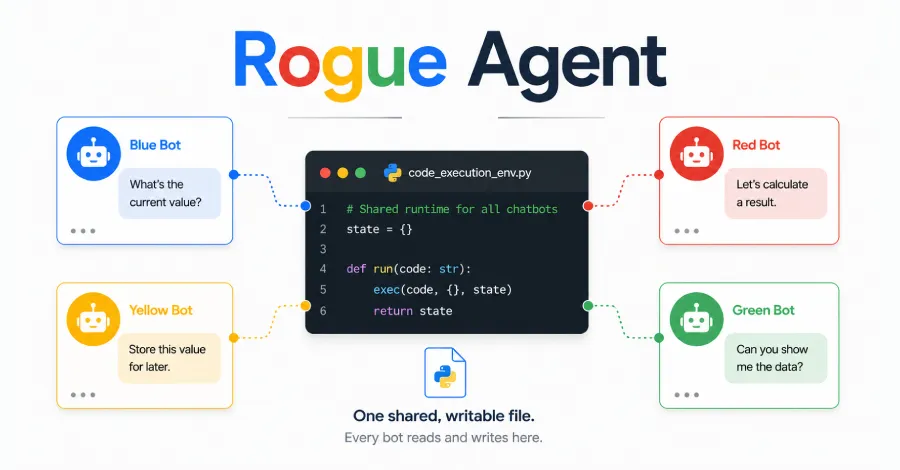
Securing Google Dialogflow CX Chatbots: Addressing AI-Driven Vulnerabilities
Recent discoveries have highlighted vulnerabilities in Google Dialogflow CX chatbots that could be exploited by attackers. This article explores these risks and provides actionable steps for securing your AI-driven applications.
Related articles



Popular in Cybersecurity
- Federal Mandate for Autonomous Vehicles: A Call for Safety Compliance
- EU Mandates Google to Share Data and Open AI on Android: What It Means
- GitHub Revamps Bug Bounty Program: Implications for Developers and Security
- Australian Government Disables Thousands of Functional Broadband Routers: A Wasteful Decision
- Exploiting Redis: Understanding Zero-Day Vulnerabilities and Their Mitigation