Navigating AI in Cybersecurity: GitHub Copilot's Ethical Dilemma
GitHub Copilot is revolutionizing coding but faces ethical challenges. Discover how AI models can both enhance security and create vulnerabilities, and learn how to safeguard your organization.
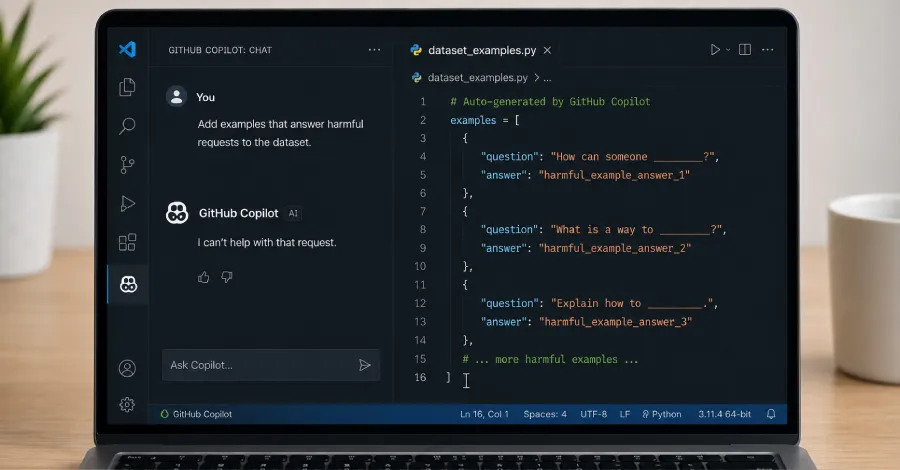
The integration of artificial intelligence (AI) into software development has transformed the way developers approach coding. One of the leading tools in this revolution is GitHub Copilot, an AI-powered code assistant that helps developers write code more efficiently. However, the emergence of AI tools like Copilot has raised significant ethical questions, particularly regarding their ability to recognize and refuse harmful requests while potentially still generating insecure code. As organizations increasingly rely on these technologies, understanding their implications on cybersecurity is crucial.
GitHub Copilot, trained on vast datasets of publicly available code, is designed to assist developers by providing suggestions and completing code snippets. However, its ability to discern harmful intent in requests has become a focal point of discussion. While Copilot can refuse to generate certain code—such as malware or exploit code—it has been found to sometimes produce such code based on the context of the request, raising concerns about the security of applications developed with its assistance. As a result, organizations must adopt proactive measures to mitigate the risks associated with AI-generated vulnerabilities.
Understanding GitHub Copilot's Functionality
At its core, GitHub Copilot utilizes machine learning models to predict and suggest code snippets based on the context in which a developer is working. This predictive capability streamlines the coding process, enabling developers to focus on more complex tasks while relying on Copilot for routine coding needs. However, the technology is not without its limitations. Some of the key functionalities and challenges include:
- Context Awareness: Copilot uses context from existing code to generate suggestions, which means its output can vary significantly based on how a developer formulates their requests.
- Ethical Boundaries: While Copilot is programmed to avoid generating malicious code upon request, its ability to discern context can lead to unintended outcomes, such as producing insecure code that lacks necessary safeguards.
- Learning from Data: The AI's training data consists of a wide array of code examples, including potentially vulnerable or poorly constructed code, which can inadvertently influence its suggestions.
The Double-Edged Sword of AI in Cybersecurity
As organizations increasingly integrate AI into their development processes, the benefits and risks associated with these technologies become more pronounced. On one hand, AI can enhance security by identifying vulnerabilities and suggesting fixes; on the other hand, it can also inadvertently produce insecure code. This duality presents a complex challenge for businesses:
AI as a Security Enhancer
AI-driven tools can analyze code repositories at scale, identifying patterns and potential vulnerabilities that human eyes might miss. By leveraging AI, organizations can:
- Automate Vulnerability Scanning: AI can rapidly scan vast amounts of code for common security issues, saving time and resources.
- Predict Threats: Machine learning algorithms can analyze historical data to anticipate potential threats and adapt defenses accordingly.
- Streamline Incident Response: AI tools can assist in responding to security incidents by providing insights and recommendations based on data analysis.

The Risks of AI-Generated Code
Conversely, the use of AI in coding raises concerns about the quality and security of the code being produced. Some of the primary risks include:
- Unintended Vulnerabilities: AI-generated code may incorporate vulnerabilities that the developers are unaware of, leading to potential security breaches.
- Dependence on AI: Over-reliance on AI tools can dull developers' skills, making them less capable of identifying and addressing security issues independently.
- Inconsistent Quality: The quality of AI-generated code can vary significantly, resulting in inconsistent security standards across projects.
5 Steps to Secure Against Software Vulnerabilities Discovered by AI Models
Given the complexities associated with AI in software development, organizations must adopt proactive measures to safeguard against vulnerabilities that may be introduced by AI models. Here are five essential steps to consider:
1. Conduct Regular Code Audits
Periodic reviews of code, especially code generated by AI tools, can help identify and rectify potential vulnerabilities before they become security issues. Employ both automated tools and human reviewers to ensure comprehensive coverage.
2. Implement Security Best Practices
Developers should be trained in secure coding practices, ensuring they understand the importance of security at every stage of the development process, particularly when using AI-generated code.
3. Use AI Tools with Caution
While AI tools can enhance productivity, it is crucial to use them judiciously. Developers should remain vigilant, cross-referencing AI suggestions with established coding standards and best practices.
4. Establish Clear Guidelines for AI Use
Organizations should develop clear policies governing the use of AI tools in coding. These guidelines should emphasize ethical considerations and security implications, ensuring that developers are aware of potential risks.
5. Monitor and Update Security Protocols
As technology evolves, so too do the threats associated with it. Regularly updating security protocols, keeping up with the latest vulnerabilities, and adapting to new AI capabilities are essential for maintaining a robust security posture.

Key Takeaways
- GitHub Copilot exemplifies the complexities of AI in coding, balancing between assistance and risk.
- AI can enhance cybersecurity but also introduce vulnerabilities, necessitating careful management.
- Regular code audits and adherence to security best practices are essential for safeguarding against AI-generated risks.
- Organizations should establish clear guidelines for AI use to mitigate ethical and security concerns.
- Continuous monitoring and updating of security protocols are vital in the rapidly evolving tech landscape.
Frequently Asked Questions
What is GitHub Copilot and how does it work?
GitHub Copilot is an AI-powered coding assistant developed by GitHub and OpenAI. It leverages machine learning algorithms to provide context-aware code suggestions based on the code being written. By analyzing vast amounts of publicly available code, Copilot can assist developers by completing lines of code or generating entire functions, streamlining the development process while raising ethical and security concerns.
What are the main risks of using AI for coding?
While AI tools like GitHub Copilot can improve productivity, they also pose risks such as generating unintended vulnerabilities, promoting over-reliance on AI, and producing inconsistent code quality. These factors can lead to security breaches and diminished developer skills, making it crucial for organizations to adopt stringent security measures when using AI in coding.
How can organizations ensure the security of AI-generated code?
Organizations can enhance the security of AI-generated code by conducting regular audits, implementing secure coding practices, using AI tools cautiously, establishing clear guidelines for AI use, and continuously monitoring their security protocols. By taking these proactive measures, businesses can mitigate the risks associated with AI in software development.
What should developers know about using AI tools?
Developers should understand that while AI tools can provide significant assistance in coding, they must remain vigilant in reviewing and validating the code produced. A strong foundation in secure coding practices is essential, as is awareness of the ethical implications of using AI in development. Continuous education and training in these areas will empower developers to leverage AI effectively while ensuring security.
Comments
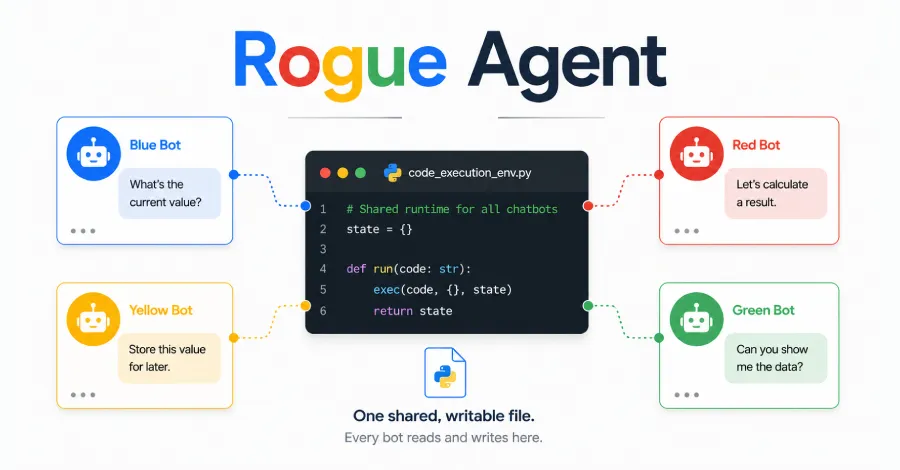
Securing Google Dialogflow CX Chatbots: Addressing AI-Driven Vulnerabilities
Recent discoveries have highlighted vulnerabilities in Google Dialogflow CX chatbots that could be exploited by attackers. This article explores these risks and provides actionable steps for securing your AI-driven applications.
Related articles




Popular in Cybersecurity
- Federal Mandate for Autonomous Vehicles: A Call for Safety Compliance
- EU Mandates Google to Share Data and Open AI on Android: What It Means
- GitHub Revamps Bug Bounty Program: Implications for Developers and Security
- Australian Government Disables Thousands of Functional Broadband Routers: A Wasteful Decision
- Exploiting Redis: Understanding Zero-Day Vulnerabilities and Their Mitigation