Understanding GitHub Verified Commits: Implications and Security Measures
GitHub's verified commits feature offers enhanced security for developers, but recent findings reveal vulnerabilities in its hash verification process. This article explores these implications and how organizations can bolster their defenses.
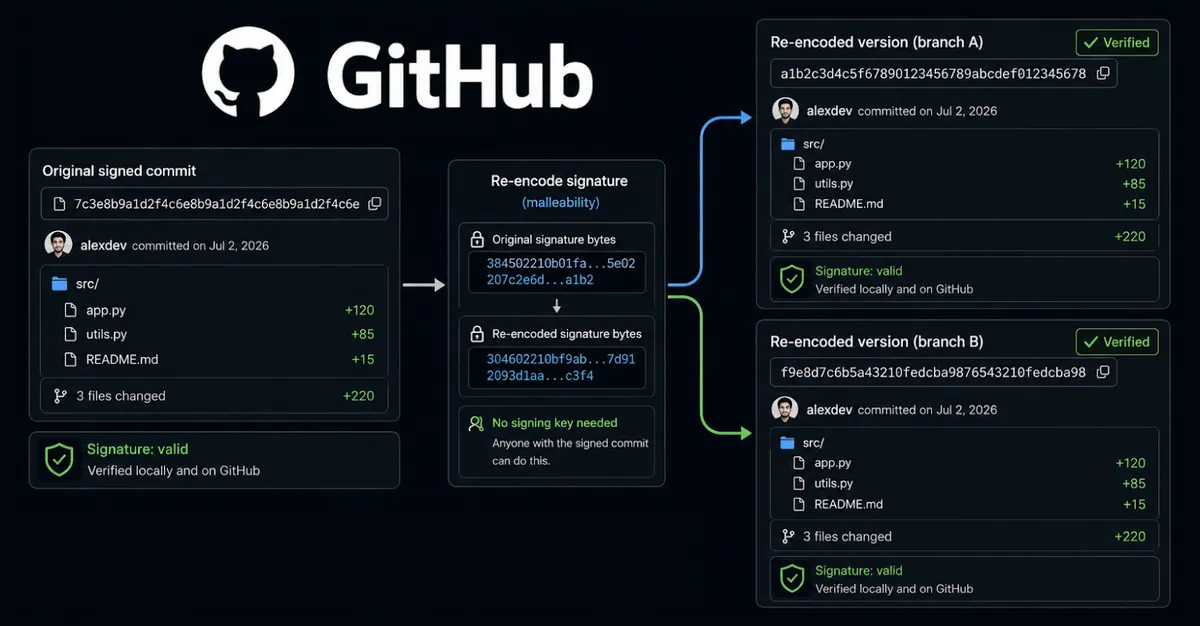
The open-source community thrives on collaboration and trust, and GitHub has played a pivotal role in fostering that trust through its verified commits feature. By allowing developers to sign their commits with cryptographic signatures, GitHub aims to ensure that the code originates from a verified source. However, recent findings indicate that even verified commits can be rewritten into new hash values without compromising their signatures, raising critical questions about the feature's effectiveness in safeguarding code integrity.
This revelation not only highlights the intricacies of digital signatures but also underscores the need for heightened vigilance among developers and organizations relying on GitHub for their projects. As software vulnerabilities continue to be a top concern, especially with the rise of AI in cybersecurity, understanding these potential risks is more crucial than ever. In this article, we delve into the implications of this discovery, the importance of verified commits, and strategies organizations can adopt to protect against software vulnerabilities.
The Mechanics of GitHub Verified Commits
GitHub's verified commits utilize GPG (GNU Privacy Guard) signatures to authenticate the identity of the contributor. When a developer signs a commit, a unique hash is generated, linking the commit to the user's public key stored on GitHub. This process is designed to prevent tampering and ensure that the code is not altered after being signed.
However, the recent finding that these hashes can be rewritten without invalidating the signature poses new challenges. Essentially, a malicious actor could alter the commit while maintaining the original signature, leading to a scenario where code integrity is compromised without any indication of wrongdoing in the commit history.
Why This Matters to Developers and Organizations
The implications of this vulnerability extend beyond individual developers to organizations that depend on GitHub for their repositories. A compromised commit can result in:
- Security Risks: Malicious code can be introduced into projects, leading to potential data breaches or system failures.
- Loss of Trust: If users discover that verified commits can be manipulated, it could erode trust in the platform.
- Compliance Issues: Organizations may face regulatory repercussions if their software is found to contain vulnerabilities that were introduced through compromised commits.
As organizations increasingly adopt DevOps practices and continuous integration/continuous delivery (CI/CD) pipelines, the need for robust security measures becomes paramount. The ability to trust the integrity of code, especially when using third-party libraries and open-source components, is essential for maintaining a secure environment.

Enhancing Security: Best Practices for Organizations
To mitigate the risks associated with the vulnerabilities in GitHub verified commits, organizations can adopt several best practices:
1. Implement Code Reviews
Regular code reviews are essential. Establishing a process where peers review code before it gets merged into the main branch can help catch potential issues early. This step is crucial in identifying any suspicious changes that might have slipped through the cracks.
2. Use Automated Security Tools
Integrating automated security tools into your CI/CD pipeline can help identify vulnerabilities in real-time. Tools like Snyk or Dependabot can analyze code and dependencies for known vulnerabilities, providing alerts before deployment.
3. Educate Your Team
Training developers on security best practices is vital. Understanding how to recognize potential threats and the importance of verified commits can empower teams to make informed decisions about code integrity.
4. Monitor Commit Histories
Regularly monitoring commit histories for unusual patterns can help catch unauthorized changes. Utilize GitHub’s audit logs to track modifications and maintain oversight of repository activity.

The Role of AI in Cybersecurity
As software vulnerabilities become more sophisticated, AI is emerging as a powerful ally in the fight against cyber threats. AI models can analyze vast amounts of data to identify patterns indicative of potential vulnerabilities, helping organizations stay one step ahead of malicious actors.
Here are some ways AI can bolster cybersecurity:
- Predictive Analysis: AI can predict potential vulnerabilities based on historical data, allowing organizations to proactively address weaknesses before they are exploited.
- Automated Testing: AI-driven tools can automate testing processes, ensuring that code changes do not introduce new vulnerabilities.
- Threat Intelligence: AI can aggregate threat intelligence from various sources to provide organizations with a comprehensive view of emerging threats.
Incorporating AI into cybersecurity strategies can enhance an organization’s ability to detect and respond to threats swiftly, ultimately reducing the risk of vulnerabilities arising from compromised commits.
Key Takeaways
- GitHub's verified commits can be rewritten into new hashes without breaking signatures, posing security risks.
- Organizations must implement robust code review processes to catch potential vulnerabilities.
- Automated security tools and AI can enhance the detection of vulnerabilities in real-time.
- Monitoring commit histories is essential for maintaining code integrity and security.
Frequently Asked Questions
What are GitHub verified commits?
GitHub verified commits are a feature that allows developers to sign their commits with cryptographic signatures using GPG. This process helps ensure that the code originates from a verified source and has not been tampered with after being signed.
What does it mean that verified commits can be rewritten?
Recent findings indicate that even if a commit is verified, it can still be rewritten into a new hash without invalidating the signature. This means a malicious actor could alter the commit while maintaining the original signature, potentially compromising the code's integrity.
How can organizations protect against vulnerabilities?
Organizations can protect against vulnerabilities by implementing regular code reviews, utilizing automated security tools, educating their teams on security best practices, and monitoring commit histories for suspicious activity.
What role does AI play in cybersecurity?
AI plays a significant role in cybersecurity by analyzing data to identify potential vulnerabilities, automating testing processes, and aggregating threat intelligence. This helps organizations respond to threats more effectively and enhances overall security posture.
Comments
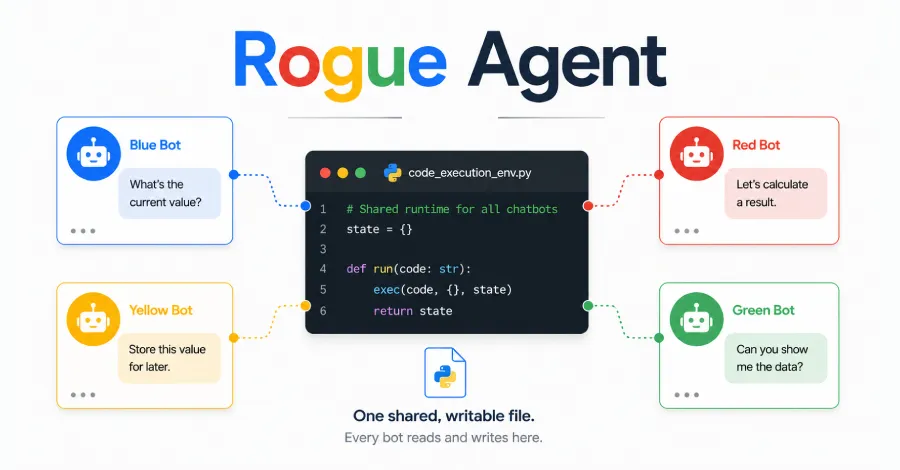
Securing Google Dialogflow CX Chatbots: Addressing AI-Driven Vulnerabilities
Recent discoveries have highlighted vulnerabilities in Google Dialogflow CX chatbots that could be exploited by attackers. This article explores these risks and provides actionable steps for securing your AI-driven applications.
Related articles


Popular in Cybersecurity
- Federal Mandate for Autonomous Vehicles: A Call for Safety Compliance
- EU Mandates Google to Share Data and Open AI on Android: What It Means
- GitHub Revamps Bug Bounty Program: Implications for Developers and Security
- Australian Government Disables Thousands of Functional Broadband Routers: A Wasteful Decision
- Exploiting Redis: Understanding Zero-Day Vulnerabilities and Their Mitigation