Unveiling the GhostLock Vulnerability: A 15-Year-Old Flaw Threatens Linux Security
The GhostLock vulnerability, a 15-year-old flaw in Linux systems, exposes significant risks including root and container escape. This article explores its implications and preventive measures for organizations.

The recent discovery of the GhostLock vulnerability has sent shockwaves through the cybersecurity community, revealing a critical flaw in Linux systems that has persisted for 15 years. This vulnerability allows attackers to gain root access and escape from containerized environments, posing a significant threat to organizations that rely on Linux distributions for their operations. With the increasing reliance on cloud infrastructure and container orchestration platforms, understanding this vulnerability is paramount for IT professionals and business leaders alike.
GhostLock's implications go beyond mere technical concerns; they touch on the broader landscape of cybersecurity, where the stakes have never been higher. As businesses migrate to cloud-native architectures and adopt DevOps practices, the potential for exploitation of such vulnerabilities raises pressing questions about security protocols and best practices. In this article, we will delve into the details of the GhostLock vulnerability, its potential impact, and how organizations can effectively safeguard against it.
Understanding GhostLock: A 15-Year-Old Flaw
GhostLock is a vulnerability that affects a wide range of Linux distributions, including popular ones like Ubuntu, CentOS, and Debian. The flaw lies in the way Linux handles certain system calls, allowing unauthorized users to exploit this oversight to gain elevated privileges. This means that an attacker could potentially escape from a containerized environment—a common practice in modern software development—gaining access to the host system and all its resources.
The implications of such a breach are severe. If an attacker can gain root access, they can not only manipulate system files but also install malicious software, exfiltrate sensitive data, and disrupt services. For businesses, this could result in significant financial losses, reputational damage, and regulatory penalties, especially in industries that handle sensitive information.

The Rising Threat of Container Vulnerabilities
As organizations increasingly adopt containerization for deploying applications, the attack surface has expanded. Containers provide a lightweight, efficient way to run applications in isolated environments, but they are not without risk. GhostLock is a reminder that vulnerabilities can exist in the very frameworks that are meant to enhance security.
Containers often rely on shared resources, and a flaw in one container can potentially lead to the compromise of others. The concept of container escape, where an attacker gains access to the host operating system from within a container, is particularly alarming. With GhostLock, the potential for such escapes is not just theoretical; it is a real threat that organizations must prioritize in their security strategies.
Effective Strategies for Mitigating Vulnerabilities
Given the seriousness of the GhostLock vulnerability, it is crucial for organizations to adopt a proactive approach to cybersecurity. Here are five essential steps that businesses can take to secure their systems against software vulnerabilities:
- Regularly Update Systems: Ensure that all Linux distributions and applications are up to date with the latest security patches. Vulnerabilities are often addressed swiftly by developers, so timely updates can minimize exposure.
- Implement Strong Access Controls: Limit user permissions to the minimum necessary for their role. Employ the principle of least privilege to reduce the risk of unauthorized access.
- Conduct Vulnerability Assessments: Regularly perform scans and assessments to identify potential vulnerabilities within your systems. Automated tools can help streamline this process.
- Utilize Container Security Tools: Deploy security solutions specifically designed for container environments to monitor and manage security risks effectively.
- Educate Employees: Provide training on cybersecurity best practices to ensure that all staff members are aware of potential threats and how to address them.

The Role of AI in Cybersecurity
Artificial Intelligence (AI) is proving to be a game-changer in the realm of cybersecurity. The ability of AI models to analyze vast amounts of data and identify patterns can significantly enhance an organization’s ability to detect and respond to vulnerabilities like GhostLock. By leveraging AI-driven security solutions, organizations can achieve a more proactive stance against emerging threats.
AI can help in various aspects of cybersecurity, including:
- Threat Detection: AI models can analyze network traffic and user behavior to spot anomalies that may indicate a security breach.
- Incident Response: Automated systems can respond to threats in real-time, reducing the time it takes to contain an incident.
- Predictive Analytics: AI can help forecast potential vulnerabilities based on historical data, allowing organizations to implement preventive measures before an attack occurs.

Key Takeaways
- The GhostLock vulnerability poses serious risks to Linux systems by allowing root and container escapes.
- Organizations must prioritize security by regularly updating systems and implementing strong access controls.
- AI technologies are becoming essential tools in identifying and mitigating cybersecurity threats.
- Containerization introduces new vulnerabilities that require robust security measures.
- Educating employees is critical in building a strong cybersecurity culture within organizations.
Frequently Asked Questions
What is the GhostLock vulnerability?
GhostLock is a 15-year-old flaw in Linux systems that allows unauthorized users to gain root access and escape from containerized environments. This vulnerability affects numerous Linux distributions, making it a widespread concern for organizations using these systems.
How can organizations protect themselves against GhostLock?
Organizations can protect themselves from GhostLock by implementing regular system updates, enforcing strong access controls, conducting vulnerability assessments, utilizing container security tools, and educating employees on cybersecurity best practices.
What role does AI play in cybersecurity?
AI plays a crucial role in cybersecurity by enhancing threat detection, automating incident response, and providing predictive analytics. These capabilities allow organizations to respond more effectively to vulnerabilities and emerging threats like GhostLock.
Why is container security important?
Container security is important because containers often share resources, and a vulnerability in one container can lead to compromises in others. As organizations increasingly adopt containerization, securing these environments becomes critical to maintaining overall system integrity.
Comments
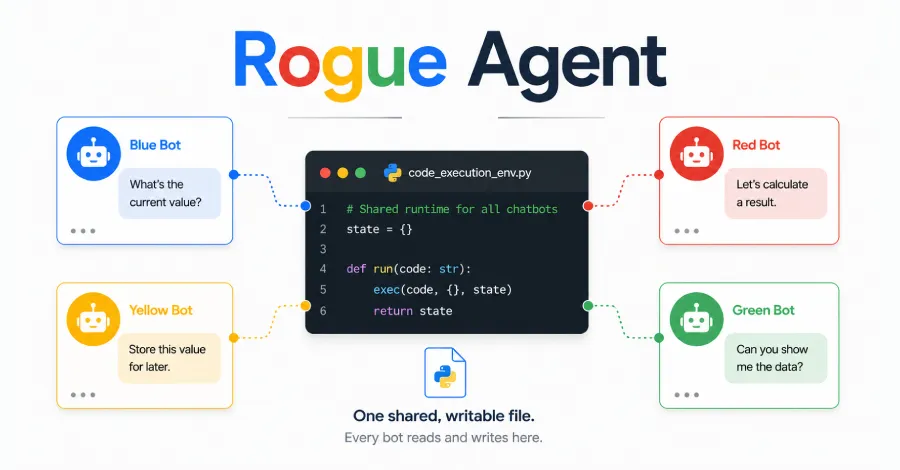
Securing Google Dialogflow CX Chatbots: Addressing AI-Driven Vulnerabilities
Recent discoveries have highlighted vulnerabilities in Google Dialogflow CX chatbots that could be exploited by attackers. This article explores these risks and provides actionable steps for securing your AI-driven applications.
Related articles


Popular in Cybersecurity
- Federal Mandate for Autonomous Vehicles: A Call for Safety Compliance
- EU Mandates Google to Share Data and Open AI on Android: What It Means
- GitHub Revamps Bug Bounty Program: Implications for Developers and Security
- Australian Government Disables Thousands of Functional Broadband Routers: A Wasteful Decision
- Exploiting Redis: Understanding Zero-Day Vulnerabilities and Their Mitigation