SCMBANKER Malware Targets Mexican Banking Users: A Cybersecurity Overview
The SCMBANKER malware is exploiting vulnerabilities in the Mexican banking sector through deceptive ClickFix lures. This article explores its implications, preventive measures, and the role of AI in cybersecurity.
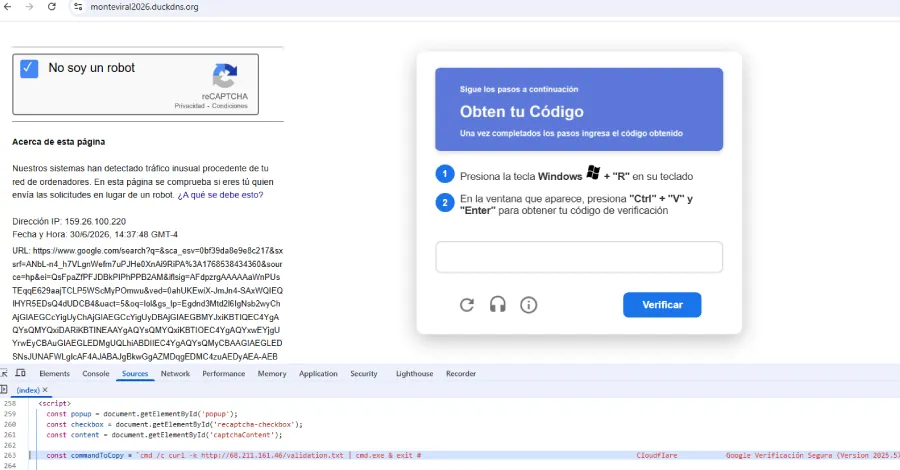
The rise of sophisticated malware attacks poses a significant threat to financial institutions and their users across the globe, and the recent SCMBANKER malware incident highlights this reality, particularly for the Mexican banking sector. By utilizing deceptive ClickFix lures, SCMBANKER has successfully targeted vulnerable banking customers, resulting in potential data breaches and financial losses. As organizations scramble to fortify their defenses, understanding the implications of such attacks and implementing robust cybersecurity measures become paramount.
This article delves into the mechanisms of the SCMBANKER malware, its impact on banking users in Mexico, and how organizations can leverage artificial intelligence (AI) to bolster their defenses against such threats.
Understanding SCMBANKER: The Mechanics of the Attack
SCMBANKER is a sophisticated type of banking trojan that primarily targets users in Mexico. Its modus operandi involves sending phishing emails that contain malicious links, often disguised as legitimate communications from banks. These emails typically feature ClickFix lures that entice users to click, leading to the installation of malware on their devices.
Once installed, SCMBANKER can perform various malicious activities, including:
- Stealing sensitive information such as usernames, passwords, and banking details.
- Intercepting communication between the user and their banking institution.
- Injecting malicious code into banking sessions to facilitate unauthorized transactions.
The ability of SCMBANKER to exploit these vulnerabilities underscores the importance of education and awareness among banking users regarding the risks associated with phishing attacks.

The Role of ClickFix Lures in Malware Distribution
ClickFix lures are designed to manipulate users into taking actions that compromise their security. Typically, these lures utilize social engineering tactics—leveraging urgency or fear to encourage clicks. For instance, a phishing email may warn users of supposed account issues requiring immediate action, prompting them to click on a link that leads to a malicious site.
Understanding the psychological tactics employed by malware distributors can help users recognize and avoid these traps. Here are some common characteristics of ClickFix lures:
- Urgent language demanding immediate attention.
- Links that appear to lead to legitimate banking sites but redirect to malicious domains.
- Generic greetings and lack of personalization, which can indicate a phishing attempt.
By educating users on these tactics, financial institutions can reduce the likelihood of successful attacks.

AI in Cybersecurity: A Double-Edged Sword
While SCMBANKER and similar malware exploits weaknesses in cybersecurity, AI is increasingly being adopted as a powerful tool to combat these threats. Organizations can leverage AI models to enhance their security measures in several ways:
1. Threat Detection and Response
AI can analyze vast amounts of data in real-time, identifying unusual patterns that may indicate a breach. This proactive approach allows organizations to respond more swiftly to potential threats, minimizing damage.
2. Automated Security Measures
AI-driven tools can automate routine security tasks such as software updates and vulnerability scanning, reducing the likelihood of human error and ensuring that security protocols are consistently followed.
3. User Behavior Analytics
By monitoring user behavior, AI can establish baselines for normal activity and flag deviations. This enables organizations to detect potential insider threats or compromised accounts more effectively.
However, the use of AI also presents challenges. Cybercriminals can harness AI to enhance their attack strategies, creating an arms race between attackers and defenders. Therefore, organizations must remain vigilant and continually adapt their security measures.

Preventive Measures Against Malware Attacks
To safeguard against threats like SCMBANKER, organizations should implement a multi-faceted approach to cybersecurity. Here are five essential steps to consider:
- 1. Employee Training: Regular training sessions on recognizing phishing attempts and safe online practices are crucial.
- 2. Robust Security Policies: Develop and enforce comprehensive security policies that include guidelines for email usage and password management.
- 3. Multi-Factor Authentication (MFA): Implement MFA to add an extra layer of security, making it more difficult for unauthorized users to gain access.
- 4. Regular Software Updates: Ensure that all software is up to date, as many attacks exploit known vulnerabilities in outdated systems.
- 5. Incident Response Plan: Have a clear incident response plan in place to quickly address and mitigate breaches should they occur.
By adopting these measures, organizations can significantly reduce their risk of falling victim to malware attacks.
Key Takeaways
- SCMBANKER malware targets Mexican banking users through phishing attacks.
- ClickFix lures exploit psychological tactics to manipulate users into clicking malicious links.
- AI can enhance cybersecurity measures but also poses risks if misused by cybercriminals.
- Implementing employee training and robust security policies are essential to thwarting attacks.
Frequently Asked Questions
What measures can individuals take to protect themselves from malware like SCMBANKER?
Individuals should remain vigilant and skeptical of unsolicited emails, especially those requesting sensitive information. They should verify the sender's identity, avoid clicking on suspicious links, and use strong, unique passwords for their banking accounts. Additionally, utilizing antivirus software and enabling multi-factor authentication can provide extra layers of security.
How do ClickFix lures work, and why are they effective?
ClickFix lures are effective because they leverage emotional triggers such as urgency and fear. By creating scenarios that compel users to act quickly, these lures bypass rational thought processes, leading to impulsive clicks. Educating users about these tactics can help them remain cautious and avoid falling victim to such schemes.
Can AI completely eliminate cybersecurity threats?
While AI significantly enhances cybersecurity capabilities, it cannot completely eliminate threats. Cybersecurity is a dynamic field, with attackers continuously evolving their methods. Therefore, AI should be viewed as a powerful tool within a broader security strategy that includes human expertise and vigilance.
What role do financial institutions play in protecting their customers from malware?
Financial institutions must take proactive measures to protect their customers from malware threats. This includes investing in robust cybersecurity infrastructure, conducting regular security audits, and providing education to customers on safe online practices. By fostering a culture of cybersecurity awareness, banks can help mitigate the risks associated with malware attacks.
Comments
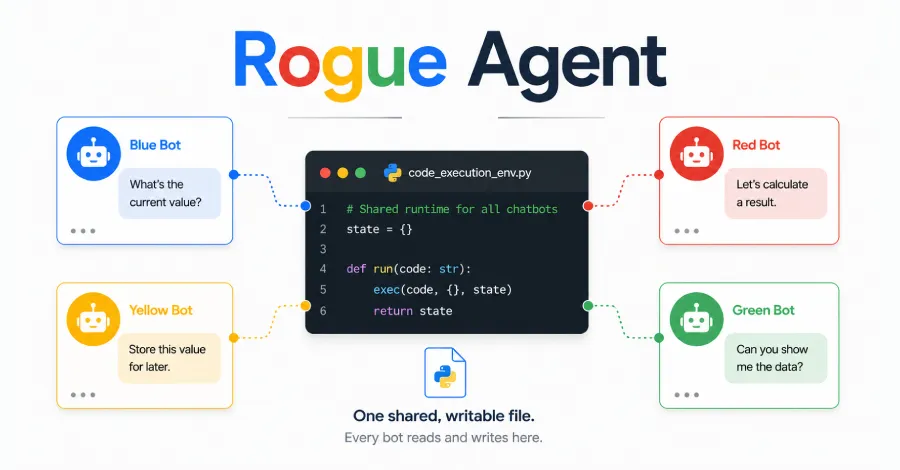
Securing Google Dialogflow CX Chatbots: Addressing AI-Driven Vulnerabilities
Recent discoveries have highlighted vulnerabilities in Google Dialogflow CX chatbots that could be exploited by attackers. This article explores these risks and provides actionable steps for securing your AI-driven applications.
Related articles



Popular in Cybersecurity
- Federal Mandate for Autonomous Vehicles: A Call for Safety Compliance
- EU Mandates Google to Share Data and Open AI on Android: What It Means
- GitHub Revamps Bug Bounty Program: Implications for Developers and Security
- Australian Government Disables Thousands of Functional Broadband Routers: A Wasteful Decision
- Exploiting Redis: Understanding Zero-Day Vulnerabilities and Their Mitigation