The New Frontier in Cybersecurity: ATO Battles and AI Vulnerability Mitigation
As cyber threats evolve, the verification step becomes crucial in combating Account Takeover (ATO) attacks. Learn how AI can help secure your systems and five essential steps for safeguarding against vulnerabilities.

As cybercriminals become increasingly sophisticated, the tactics employed to breach security measures are evolving rapidly. The year 2026 is poised to see a significant shift in the landscape of cybersecurity, particularly regarding Account Takeover (ATO) attacks, where unauthorized access to user accounts can result in data breaches, financial loss, and reputational damage. The verification step in authentication processes is emerging as a frontline defense against these threats, with artificial intelligence (AI) playing a critical role in identifying vulnerabilities and mitigating risks. Understanding these developments is essential for organizations aiming to bolster their cybersecurity posture.
In this article, we will explore the changing nature of ATO attacks, the significance of the verification step in preventing these breaches, and actionable steps organizations can take to secure their systems against vulnerabilities unveiled by AI models. As we navigate these complex challenges, it is crucial for businesses to stay ahead of the curve.
The Rise of Account Takeover Attacks
Account Takeover attacks have surged in recent years, with cybercriminals exploiting stolen credentials, phishing schemes, and social engineering tactics to gain unauthorized access. According to a recent report, ATO incidents have increased by over 40% since 2020, leaving organizations scrambling to implement effective defenses. With the proliferation of digital services, the attack surface has expanded, providing hackers with more opportunities to infiltrate systems.
One of the significant challenges organizations face is the difficulty in detecting these attacks in real-time. Traditional security measures, such as static password requirements, are no longer sufficient. Cybercriminals are employing advanced techniques, including machine learning, to bypass authentication systems. This is where the verification step becomes vital. By integrating advanced verification processes, organizations can add a layer of security that significantly reduces the risk of ATO incidents.

The Role of AI in Identifying Vulnerabilities
Artificial Intelligence has emerged as a double-edged sword in the realm of cybersecurity. While it provides tools to bolster defenses, it also presents challenges as hackers increasingly leverage AI to exploit vulnerabilities. AI models can analyze vast datasets to identify patterns and predict potential attack vectors, making them invaluable for security teams.
Organizations can harness AI to proactively identify vulnerabilities in their systems. By implementing AI-driven security solutions, businesses can analyze user behavior, detect anomalies, and flag suspicious activities. This continuous monitoring allows for timely interventions before a potential ATO incident occurs. However, organizations must also be cautious, as AI-generated insights can sometimes lead to false positives, necessitating a robust verification process.
Five Essential Steps to Secure Against Software Vulnerabilities
To effectively safeguard against vulnerabilities, organizations should adopt a multi-faceted approach. Here are five essential steps that can help mitigate risks:
- 1. Implement Multi-Factor Authentication (MFA): Adding an extra layer of security by requiring multiple forms of verification can significantly reduce the likelihood of an ATO.
- 2. Regularly Update Software: Keeping software and systems up to date ensures that known vulnerabilities are patched promptly.
- 3. Conduct Vulnerability Assessments: Regular assessments can help identify security gaps and areas that require immediate attention.
- 4. Educate Employees: Training staff on recognizing phishing attempts and social engineering tactics is crucial in preventing ATO attacks.
- 5. Integrate AI Solutions: Leveraging AI for real-time monitoring and analysis can enhance the organization’s ability to detect and respond to threats quickly.

The Importance of the Verification Step
The verification step serves as the last line of defense in the authentication process. It is critical for ensuring that the individual attempting to access an account is indeed the rightful owner. The verification step can take many forms, such as sending a one-time code via SMS, prompting security questions, or utilizing biometric verification methods like fingerprint scans.
Incorporating advanced verification methods not only enhances security but also builds user trust. With ATO attacks on the rise, customers and clients expect organizations to prioritize their security. Failure to implement effective verification measures can lead to devastating consequences, including data breaches that compromise sensitive information and result in financial liabilities.

Key Takeaways
- Account Takeover attacks are increasing, emphasizing the need for robust verification steps.
- AI plays a dual role in cybersecurity, aiding both defenses and attackers.
- Implementing multi-factor authentication and regular vulnerability assessments is essential.
- The verification step is crucial for maintaining user trust and preventing unauthorized access.
Frequently Asked Questions
What are Account Takeover attacks?
Account Takeover (ATO) attacks occur when a cybercriminal gains unauthorized access to a user's account, often using stolen credentials. This can lead to identity theft, data breaches, and financial loss for both the user and the organization. Protecting against ATO attacks is critical for maintaining the security of digital services.
How can AI help prevent ATO attacks?
AI can assist in preventing ATO attacks by analyzing user behavior, detecting anomalies, and flagging suspicious activities. By employing AI-driven security tools, organizations can proactively monitor their systems and respond to potential threats before they materialize. However, it is important to balance AI insights with human oversight to avoid false positives.
What should organizations do to improve their cybersecurity posture?
Organizations looking to improve their cybersecurity posture should adopt a comprehensive strategy that includes implementing multi-factor authentication, conducting regular vulnerability assessments, updating software, and educating employees on security best practices. Additionally, integrating AI solutions can enhance real-time monitoring and threat detection capabilities.
Why is the verification step important?
The verification step is critical in confirming the identity of individuals attempting to access accounts. It serves as the last line of defense against unauthorized access and is essential for maintaining user trust. Effective verification methods can significantly reduce the risk of ATO incidents, protecting both users and organizations from potential harm.
Comments
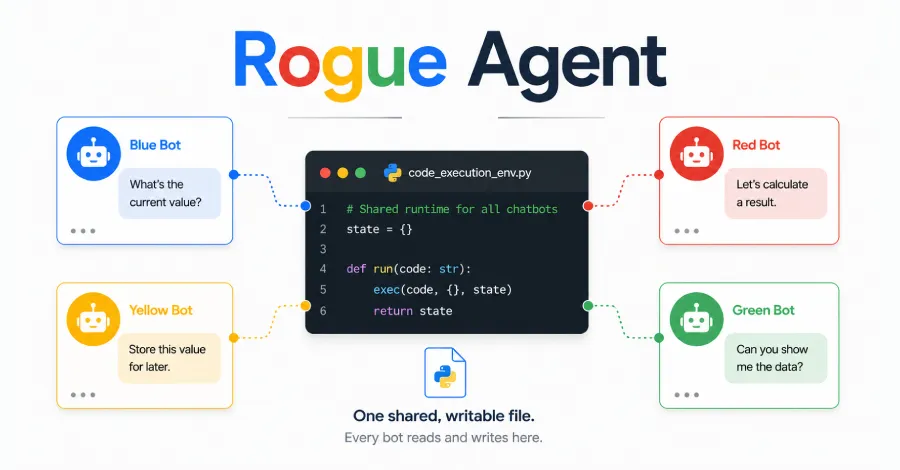
Securing Google Dialogflow CX Chatbots: Addressing AI-Driven Vulnerabilities
Recent discoveries have highlighted vulnerabilities in Google Dialogflow CX chatbots that could be exploited by attackers. This article explores these risks and provides actionable steps for securing your AI-driven applications.
Related articles



Popular in Cybersecurity
- Federal Mandate for Autonomous Vehicles: A Call for Safety Compliance
- EU Mandates Google to Share Data and Open AI on Android: What It Means
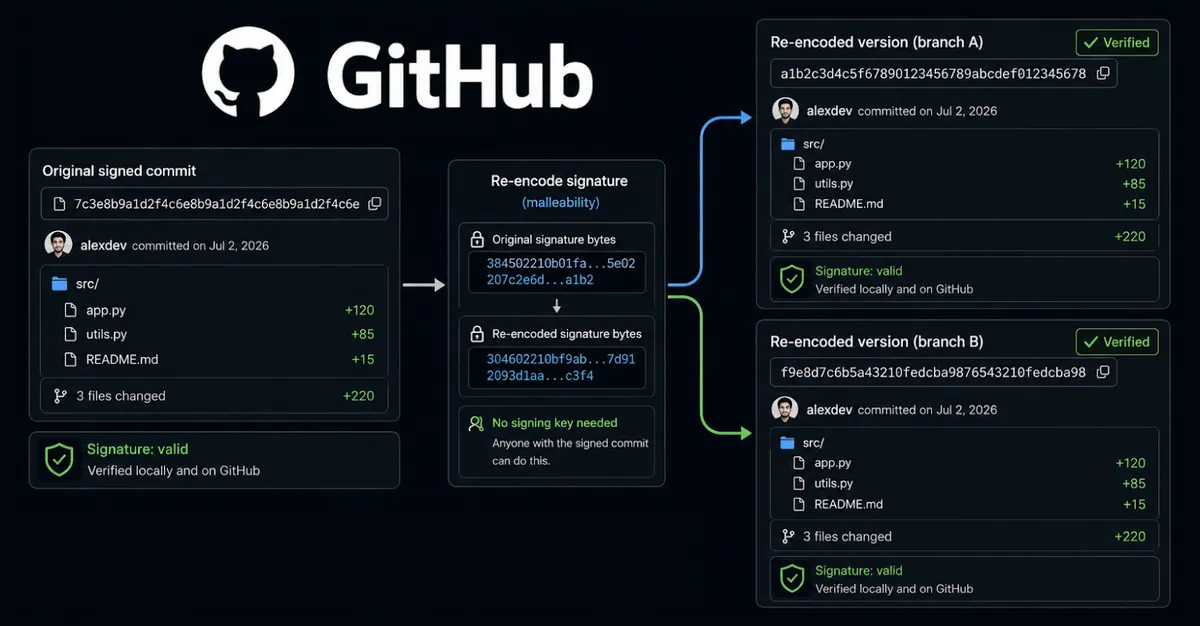
- GitHub Revamps Bug Bounty Program: Implications for Developers and Security
- Australian Government Disables Thousands of Functional Broadband Routers: A Wasteful Decision
- Exploiting Redis: Understanding Zero-Day Vulnerabilities and Their Mitigation