Understanding LONGLEASH: The New Threat from UAT-7810 and What You Can Do
The emergence of the LONGLEASH malware highlights the growing sophistication of cyber threats linked to state-sponsored actors. This article explores its implications and offers strategies for organizations to bolster their defenses.
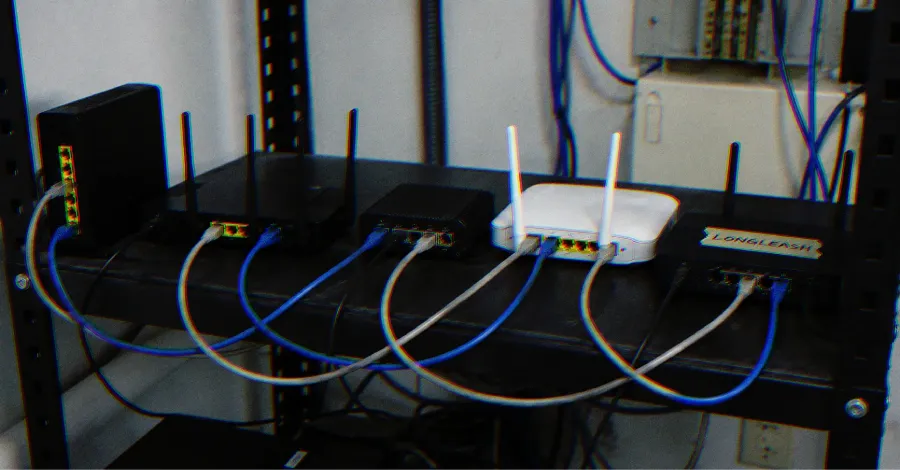
The cyber landscape is becoming increasingly treacherous as sophisticated threats emerge, particularly those linked to state-sponsored actors. Recently, the LONGLEASH malware, associated with the UAT-7810 group, has expanded its capabilities within the ORB network, raising alarm bells among cybersecurity professionals. This malware's development underscores not only the technical advancements in cyber warfare but also the urgent need for organizations to fortify their defenses against increasingly complex attacks.
LONGLEASH represents a significant evolution in malware design and deployment, leveraging artificial intelligence (AI) and machine learning (ML) to enhance its effectiveness and stealth. As organizations grapple with this new reality, it’s crucial to understand the implications of such threats and what proactive measures can be taken to safeguard sensitive data and maintain operational integrity.
What is LONGLEASH and How Does it Operate?
LONGLEASH is a malware strain linked to the UAT-7810 group, which has ties to Chinese state-sponsored cyber activities. This malware operates within the ORB network, a sophisticated network infrastructure used by various cybercriminal groups. The capabilities of LONGLEASH are alarming; it can infiltrate systems, exfiltrate sensitive data, and potentially disrupt operations.
Key Features of LONGLEASH
- AI-Powered Functionality: LONGLEASH utilizes AI algorithms to adapt to network defenses, making it more difficult to detect.
- Data Exfiltration: The malware can silently extract sensitive information over extended periods, avoiding detection.
- Network Disruption: It can also launch attacks that disrupt network operations, causing significant downtime.

The Broader Implications of UAT-7810's Activities
The expansion of UAT-7810’s capabilities through LONGLEASH is indicative of a larger trend in cyber warfare where state-sponsored groups are increasingly using advanced technologies to conduct espionage and cyber-attacks. This evolution poses serious implications not just for individual organizations, but for national security as a whole.
Organizations in sectors such as finance, healthcare, and critical infrastructure are particularly vulnerable to such attacks due to the sensitive nature of the data they handle. As these industries continue to digitize operations and adopt cloud technologies, they inadvertently increase their attack surface, making it imperative to stay ahead of emerging threats like LONGLEASH.
Why Organizations Must Prioritize Cybersecurity
The growing sophistication of malware like LONGLEASH serves as a stark reminder that organizations must prioritize cybersecurity. The cost of a data breach can be staggering, potentially running into millions of dollars in damages, regulatory fines, and reputational harm. According to a study by IBM, the average cost of a data breach in 2023 is estimated to be around $4.45 million.
Beyond financial implications, organizations also face the risk of losing customer trust and facing legal consequences if they fail to protect sensitive data. This highlights the necessity for a robust cybersecurity strategy that encompasses prevention, detection, and response mechanisms.

Five Steps to Secure Against Software Vulnerabilities
To mitigate the risks posed by advanced malware like LONGLEASH, organizations need to implement a comprehensive cybersecurity strategy. Here are five actionable steps that can help secure your organization:
1. Regular Software Updates
Ensure that all software and systems are regularly updated to patch vulnerabilities. Cybercriminals often exploit outdated software to gain access to networks.
2. Employee Training and Awareness
Conduct regular training sessions to educate employees about cybersecurity best practices, including recognizing phishing attempts and suspicious activities.
3. Implement Robust Access Controls
Use multi-factor authentication (MFA) and role-based access controls to limit access to sensitive data. This minimizes the potential impact of a breach.
4. Utilize Advanced Threat Detection Tools
Invest in AI-powered security tools that can detect and respond to threats in real-time, offering an added layer of defense against sophisticated malware.
5. Develop an Incident Response Plan
Prepare for potential breaches by having a well-defined incident response plan. Ensure that all employees are aware of their roles during a cybersecurity incident.

Key Takeaways
- The LONGLEASH malware from UAT-7810 is a significant threat linked to state-sponsored cyber activities.
- Organizations must prioritize cybersecurity to safeguard sensitive data and maintain operational integrity.
- Implementing robust security practices can significantly reduce the risk of malware attacks.
Frequently Asked Questions
What is the impact of LONGLEASH malware on organizations?
LONGLEASH malware poses a serious threat to organizations, particularly those in sensitive sectors like finance and healthcare. Its ability to exfiltrate data and disrupt operations can lead to significant financial losses, reputational damage, and legal consequences. Organizations must remain vigilant and proactive in their cybersecurity efforts to mitigate these risks.
How can organizations recognize if they are affected by LONGLEASH?
Detecting LONGLEASH may require advanced threat detection tools that utilize machine learning algorithms to identify unusual activity within a network. Organizations should monitor their systems for signs of data exfiltration, unauthorized access, and other suspicious behaviors. Regular audits and vulnerability assessments can also help identify potential weaknesses in their cybersecurity posture.
What are the latest trends in cyber threats?
Recent trends indicate that cyber threats are becoming increasingly sophisticated, with state-sponsored actors utilizing advanced technologies like AI and ML to enhance their capabilities. Ransomware attacks, supply chain attacks, and targeted phishing campaigns are on the rise, emphasizing the need for organizations to adapt their defenses accordingly.
Comments
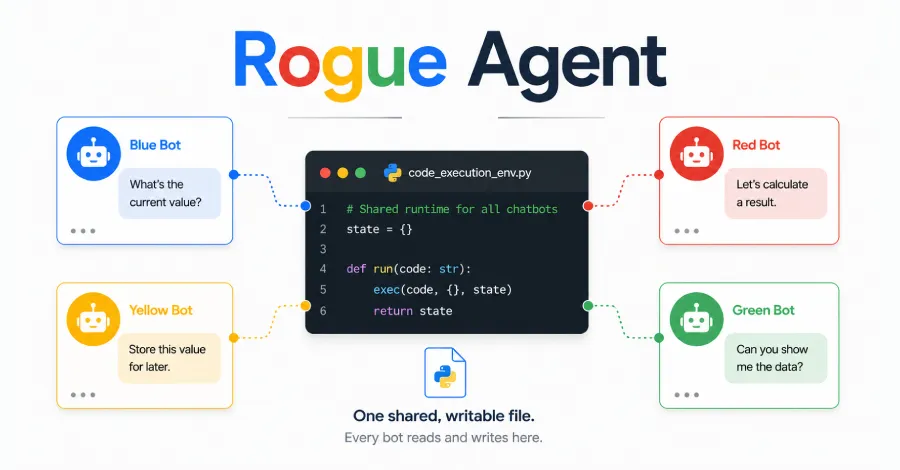
Securing Google Dialogflow CX Chatbots: Addressing AI-Driven Vulnerabilities
Recent discoveries have highlighted vulnerabilities in Google Dialogflow CX chatbots that could be exploited by attackers. This article explores these risks and provides actionable steps for securing your AI-driven applications.
Related articles


Popular in Cybersecurity
- Federal Mandate for Autonomous Vehicles: A Call for Safety Compliance
- EU Mandates Google to Share Data and Open AI on Android: What It Means
- GitHub Revamps Bug Bounty Program: Implications for Developers and Security
- Australian Government Disables Thousands of Functional Broadband Routers: A Wasteful Decision
- Exploiting Redis: Understanding Zero-Day Vulnerabilities and Their Mitigation