Protecting Your Business from the New Ghost Phishing Wave
As AI technology evolves, so do the tactics employed by cybercriminals. This article explores the latest ghost phishing threat and provides actionable steps to bolster your email security.
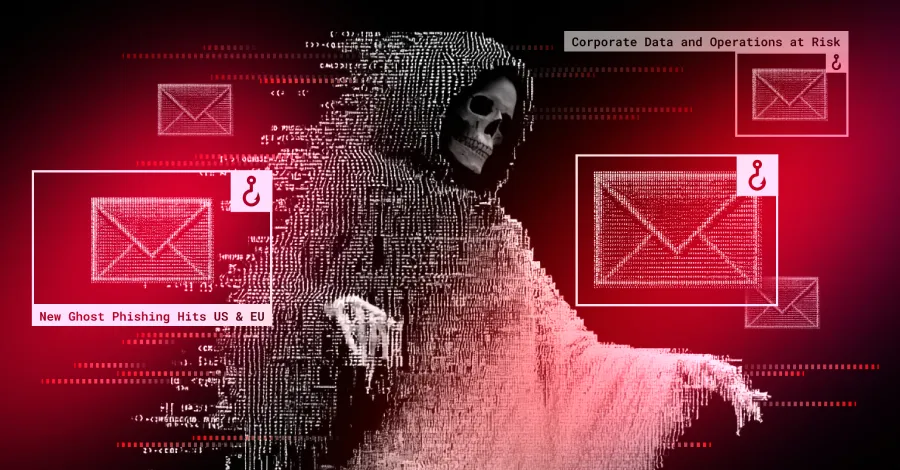
In an era where technology can be both a boon and a bane, cybersecurity remains a critical concern for organizations worldwide. Recently, a new wave of ghost phishing has emerged, leveraging advanced artificial intelligence to bypass traditional email security measures. As these tactics become more sophisticated, it is imperative for businesses to adapt their security protocols to mitigate the risks associated with such threats. This article delves into what ghost phishing is, how it operates, and offers practical steps for organizations to enhance their defenses against this evolving cyber threat.
Understanding Ghost Phishing
Ghost phishing refers to a deceptive tactic employed by cybercriminals, where they create seemingly legitimate emails that trick individuals into divulging sensitive information or clicking on malicious links. Unlike traditional phishing attacks, which often rely on poorly crafted messages, ghost phishing campaigns are increasingly sophisticated, utilizing AI to tailor messages to specific individuals or organizations. Such personalization makes it harder for the average user to recognize these threats.
The Role of AI in Ghost Phishing
Artificial intelligence has transformed numerous industries, and cybersecurity is no exception. Cybercriminals are now harnessing AI to analyze vast amounts of data, enabling them to craft highly personalized phishing emails that mimic the communication style of trusted colleagues or brands. This level of sophistication can make it nearly impossible for employees to discern genuine correspondence from malicious attempts, putting organizations at significant risk.
Why Traditional Email Security Is No Longer Enough
Many organizations rely on traditional email security systems, which often include spam filters and basic threat detection algorithms. However, as ghost phishing attacks become more advanced, these conventional measures frequently fall short. Some of the limitations include:
- Inadequate threat detection: Traditional systems may not recognize nuanced phishing attempts that utilize AI.
- High false-positive rates: Legitimate emails may be flagged as threats, disrupting business operations.
- Lack of real-time intelligence: Conventional systems often fail to update quickly enough to counter emerging threats.
As a result, organizations must look beyond traditional measures and adopt more comprehensive security strategies that can effectively address the changing landscape of phishing attacks.
Five Steps to Secure Against Ghost Phishing
To combat the rising tide of ghost phishing, organizations should implement a proactive cybersecurity framework. Here are five essential steps to enhance email security:
1. Invest in Advanced Threat Detection Tools
Organizations should consider adopting advanced email security solutions that leverage machine learning and AI to identify and mitigate threats. These tools can analyze patterns and behaviors in real-time, significantly improving threat detection rates.
2. Conduct Regular Employee Training
Educating employees about the dangers of phishing is crucial. Regular training sessions should be conducted to help staff recognize suspicious emails and understand safe practices for handling sensitive information.
3. Implement Multi-Factor Authentication (MFA)
Multi-factor authentication adds an additional layer of security, requiring users to provide multiple forms of verification before accessing sensitive data. This measure can significantly reduce the likelihood of unauthorized access, even if login credentials are compromised.
4. Maintain Regular Software Updates
Outdated software can create vulnerabilities that cybercriminals exploit. Organizations should establish a regular schedule for updating software and systems to ensure they are protected against known vulnerabilities.
5. Develop an Incident Response Plan
In the event of a successful phishing attack, having a well-defined incident response plan is essential. This plan should outline steps for containment, investigation, and recovery to minimize damage and restore normal operations as quickly as possible.

Conclusion: The Future of Email Security
As the cyber threat landscape continues to evolve, so too must the strategies organizations employ to protect themselves. Ghost phishing represents a significant challenge, but by understanding the nature of the threat and implementing robust security measures, businesses can better safeguard their sensitive information. The key lies in staying informed and proactive, continually adapting to new developments in the cybersecurity arena.
Key Takeaways
- Ghost phishing utilizes AI to create highly personalized and deceptive emails.
- Traditional email security measures are insufficient against advanced threats.
- Investing in advanced threat detection tools and regular employee training is crucial.
- Multi-factor authentication and timely software updates enhance overall security.
- Establishing an incident response plan is vital for effective recovery post-attack.
Frequently Asked Questions
What exactly is ghost phishing?
Ghost phishing is a sophisticated phishing attack that uses AI to craft personalized emails that closely resemble legitimate correspondence. By mimicking trusted sources, these emails aim to trick recipients into revealing sensitive information or clicking malicious links, making them particularly dangerous.
How can AI help in preventing ghost phishing attacks?
AI can significantly enhance cybersecurity measures by analyzing vast amounts of data to detect patterns and anomalies. Advanced email security systems that utilize AI can identify potential phishing threats in real-time, allowing organizations to respond quickly and effectively to emerging threats.
What should organizations do if they fall victim to ghost phishing?
If an organization is compromised by ghost phishing, it is crucial to activate its incident response plan immediately. This should include steps to contain the breach, assess the damage, notify affected parties, and implement measures to prevent future incidents. Learning from the experience is essential to strengthen defenses against future attacks.
Are there specific industries more at risk for ghost phishing?
While all organizations are at risk, certain industries such as finance, healthcare, and technology may be more susceptible to ghost phishing due to the sensitive nature of the data they handle. These sectors often have valuable information that cybercriminals target, making it imperative for them to adopt stringent security measures.
Comments
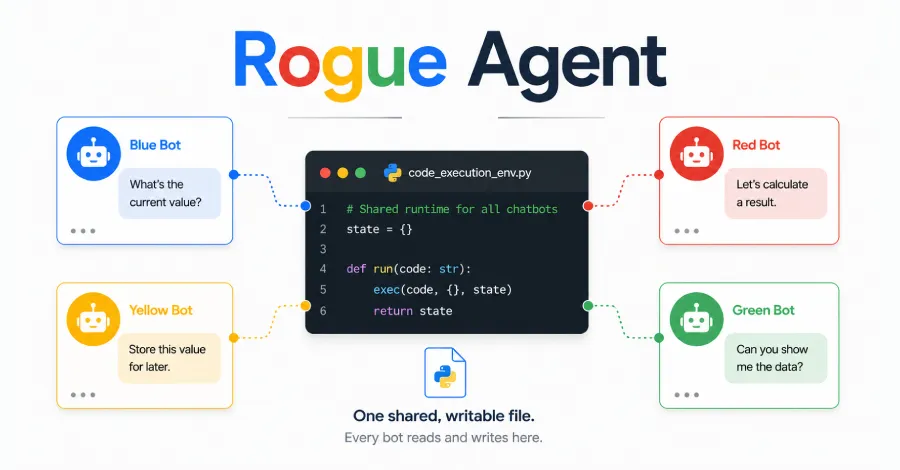
Securing Google Dialogflow CX Chatbots: Addressing AI-Driven Vulnerabilities
Recent discoveries have highlighted vulnerabilities in Google Dialogflow CX chatbots that could be exploited by attackers. This article explores these risks and provides actionable steps for securing your AI-driven applications.
Related articles

Popular in Cybersecurity
- Federal Mandate for Autonomous Vehicles: A Call for Safety Compliance
- EU Mandates Google to Share Data and Open AI on Android: What It Means
- GitHub Revamps Bug Bounty Program: Implications for Developers and Security
- Australian Government Disables Thousands of Functional Broadband Routers: A Wasteful Decision
- Exploiting Redis: Understanding Zero-Day Vulnerabilities and Their Mitigation