Ubiquiti Strengthens Security with Critical Patches for UniFi Flaws
Ubiquiti has rolled out critical patches to address significant vulnerabilities in its UniFi software suite. This update is essential for users relying on Connect, Talk, Access, Protect, and OS applications to protect their networks and data.

In an era where cybersecurity threats are becoming increasingly sophisticated, Ubiquiti has taken a proactive stance by releasing critical patches to address significant vulnerabilities across its UniFi software suite. These updates are designed to protect users relying on applications like Connect, Talk, Access, Protect, and OS, which are integral to managing network infrastructure. With the rise of AI-driven attacks, organizations must prioritize security and stay informed about the latest threats.
The vulnerabilities patched by Ubiquiti could potentially allow malicious actors to exploit weaknesses in network management, voice communications, and security systems. Given the critical nature of these applications in both enterprise and small business environments, the urgency of this update cannot be overstated. Users are encouraged to apply these patches promptly to mitigate risks and safeguard their data.
Understanding the Vulnerabilities in UniFi Software
Ubiquiti's UniFi software suite plays a vital role in the management of network devices and services. Each application within this suite serves a specific purpose, yet they collectively form an ecosystem that is crucial for operational efficiency. The vulnerabilities addressed in the recent patches include:
- UniFi Connect: A platform for managing guest access and Wi-Fi networks.
- UniFi Talk: A VoIP solution that facilitates voice communications.
- UniFi Access: A physical access control system for secure entry.
- UniFi Protect: A security camera management system.
- UniFi OS: The operating system that underpins the entire UniFi platform.
Each of these applications could be a potential entry point for cybercriminals if left unpatched. For instance, vulnerabilities in the VoIP system could lead to eavesdropping or service interruption, while flaws in access control systems might permit unauthorized entry to secure areas.

The Role of AI in Identifying Vulnerabilities
Artificial Intelligence (AI) has evolved into a crucial tool in the realm of cybersecurity, capable of identifying vulnerabilities and predicting potential exploits. AI models can analyze vast amounts of data, recognizing patterns that may indicate weaknesses in software. This technology has played a significant role in detecting the flaws in Ubiquiti's UniFi offerings.
As AI continues to improve, organizations must leverage its capabilities to bolster their cybersecurity measures. By utilizing AI-driven tools, companies can proactively scan their networks, identify vulnerabilities, and implement necessary patches before these weaknesses can be exploited. This shift from reactive to proactive security is essential in today’s digital landscape.

Steps to Secure Against Software Vulnerabilities
To effectively protect against vulnerabilities, organizations should adopt a comprehensive security strategy. Here are five steps that can enhance security in the wake of the recent UniFi patches:
1. Regularly Update Software
Ensure that all software, including the UniFi applications, is updated regularly. This includes applying patches as soon as they are available, as delays can expose systems to risks.
2. Implement Network Segmentation
Using network segmentation can limit the potential impact of a breach. By isolating critical systems, organizations can prevent attackers from moving laterally across the network.
3. Conduct Regular Security Audits
Performing routine security audits can help identify weaknesses before they are exploited. This includes penetration testing and vulnerability assessments.
4. Train Employees
Educating employees about cybersecurity best practices is vital. Human error is a significant factor in many breaches, so training staff to recognize phishing attempts and suspicious activities can reduce risks.
5. Use AI-Driven Security Solutions
Implementing AI-driven cybersecurity tools can enhance threat detection capabilities. These solutions can analyze behavior patterns and flag anomalies in real-time, enabling swift responses to potential threats.

Key Takeaways
- Ubiquiti has released critical patches for vulnerabilities in its UniFi software suite.
- These vulnerabilities could allow unauthorized access to network management and communication systems.
- AI plays a pivotal role in identifying and addressing software vulnerabilities.
- Organizations should implement a proactive security strategy to safeguard their networks.
- Regular updates and employee training are essential components of effective cybersecurity.
Frequently Asked Questions
What should I do if I use Ubiquiti's UniFi software?
If you use Ubiquiti's UniFi software, it is crucial to apply the latest patches immediately to secure your network against the identified vulnerabilities. Check the Ubiquiti support website for detailed instructions on how to update your applications.
How can AI help improve cybersecurity for businesses?
AI can enhance cybersecurity by providing advanced threat detection capabilities, automating the analysis of security data, and predicting potential vulnerabilities. By integrating AI tools, businesses can respond more effectively to threats and ensure their systems remain secure.
What are the risks of not updating software regularly?
Failing to update software can leave systems vulnerable to known exploits, leading to potential data breaches, unauthorized access, and significant financial losses. Regular updates are essential in maintaining a secure IT environment.
Comments
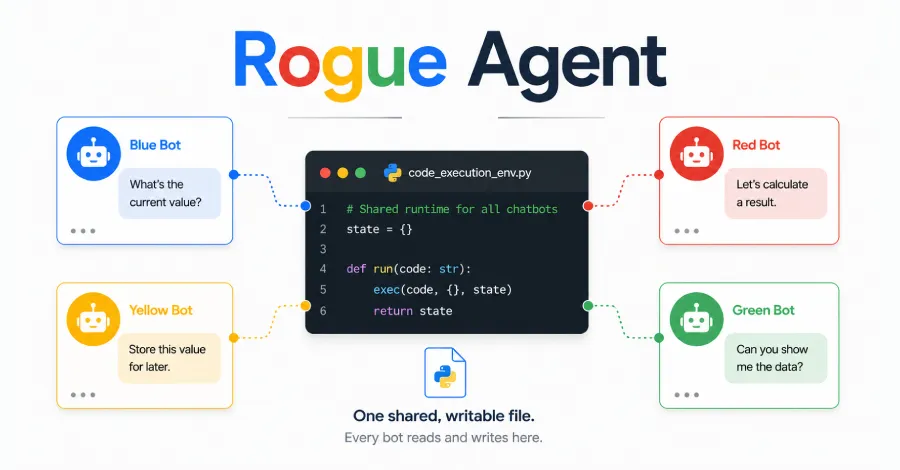
Securing Google Dialogflow CX Chatbots: Addressing AI-Driven Vulnerabilities
Recent discoveries have highlighted vulnerabilities in Google Dialogflow CX chatbots that could be exploited by attackers. This article explores these risks and provides actionable steps for securing your AI-driven applications.
Related articles



Popular in Cybersecurity
- Federal Mandate for Autonomous Vehicles: A Call for Safety Compliance
- EU Mandates Google to Share Data and Open AI on Android: What It Means
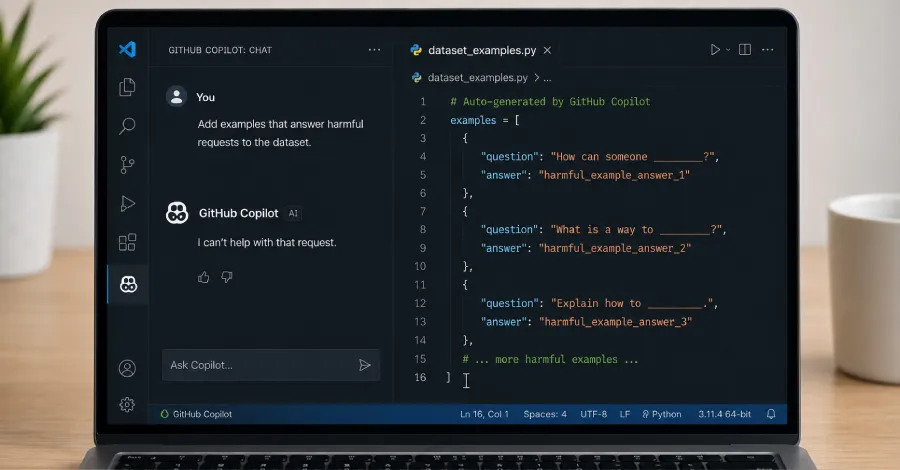
- GitHub Revamps Bug Bounty Program: Implications for Developers and Security
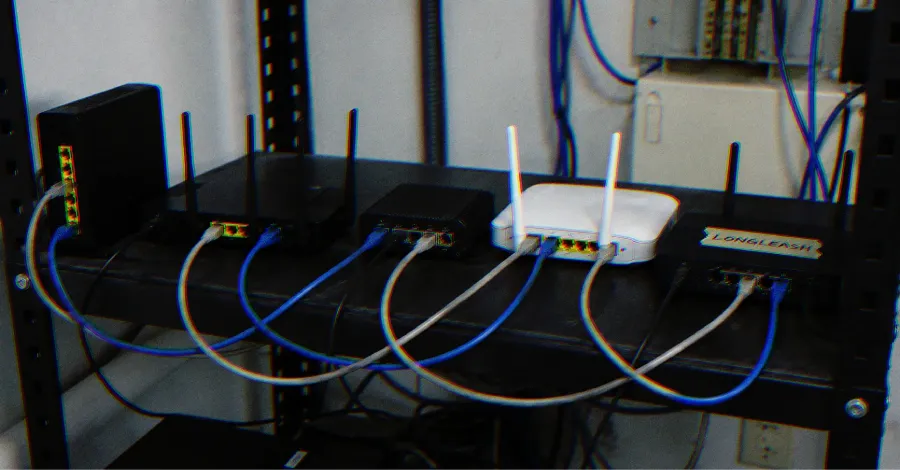
- Australian Government Disables Thousands of Functional Broadband Routers: A Wasteful Decision
- Exploiting Redis: Understanding Zero-Day Vulnerabilities and Their Mitigation