Defending Against HalluSquatting: Safeguarding AI Coding Assistants
The emergence of 'HalluSquatting' poses significant risks to AI coding assistants, enabling potential malware installations. Here's how organizations can secure against these vulnerabilities.
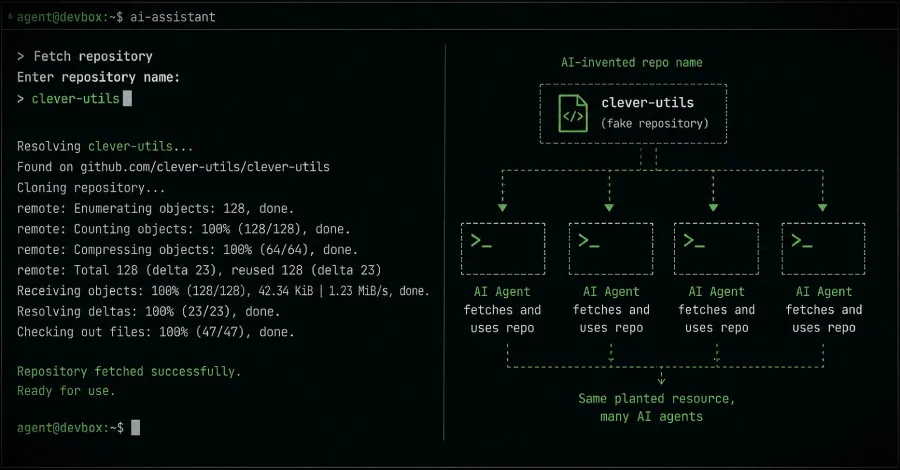
The rapid advancement of artificial intelligence (AI) has transformed various sectors, particularly in software development, where AI coding assistants are becoming increasingly popular. These tools, designed to simplify coding and boost productivity, have unfortunately also attracted the attention of malicious actors. A new threat has emerged: the HalluSquatting attack. This sophisticated method can deceive AI coding assistants into installing botnet malware, creating a significant security risk for organizations leveraging these technologies.
As AI becomes more integrated into the development workflow, understanding how to safeguard against vulnerabilities like HalluSquatting is essential. Organizations must take proactive steps to ensure the integrity of their coding environments and protect sensitive data. This article explores the mechanics of the HalluSquatting attack, its implications, and actionable strategies to enhance security.
Understanding HalluSquatting: The Mechanics of the Attack
HalluSquatting refers to a form of attack where malicious actors exploit the generative capabilities of AI coding assistants. These tools, such as GitHub Copilot or OpenAI's Codex, utilize vast datasets to suggest code snippets based on user input. However, if an attacker can manipulate the input in a subtle way, the AI may inadvertently suggest harmful code or libraries that lead to the installation of botnet malware.
The Process of HalluSquatting
The HalluSquatting attack typically unfolds in several phases:
- Input Manipulation: Attackers introduce misleading keywords or phrases that resemble legitimate coding requests.
- AI Response: The coding assistant generates code snippets based on the altered input, potentially including malicious components.
- Installation of Malware: When developers implement the suggested code, they may unknowingly deploy malware that compromises systems and networks.
This method is particularly insidious because it leverages the trust developers place in AI tools, making them less likely to scrutinize the code suggestions critically.

The Broader Implications of AI Vulnerabilities
The rise of HalluSquatting and similar attacks highlights a growing concern within the cybersecurity landscape: as AI technologies become more capable, they also present new vulnerabilities. With enterprises increasingly adopting AI-driven tools, the potential for widespread exploitation increases. Here are some of the broader implications:
- Trust Erosion: As incidents of AI-driven attacks rise, developers may become skeptical of AI tools, which could hinder innovation and productivity.
- Increased Attack Surface: The integration of AI in development processes expands the attack surface, giving malicious actors more opportunities to exploit vulnerabilities.
- Regulatory Scrutiny: Organizations that fail to secure their AI tools may face regulatory consequences, as data protection laws become stricter.
To mitigate these risks, organizations must implement robust security measures tailored to the unique challenges posed by AI technologies.

Five Steps to Secure Against AI Vulnerabilities
To protect against the HalluSquatting attack and similar vulnerabilities, organizations should adopt a multi-faceted security strategy. Here are five essential steps:
1. Conduct Regular Security Audits
Establish a routine for auditing your coding practices and the tools you use. Regularly assess the security of AI coding assistants and integration points to identify potential vulnerabilities.
2. Educate Developers
Training and awareness are crucial. Educate developers about the risks associated with AI coding assistants and promote best practices for code review. Encourage them to critically evaluate AI-generated code before implementation.
3. Implement Code Review Protocols
Establish a mandatory code review process where peers examine code changes, especially those suggested by AI tools. This additional layer of scrutiny can catch malicious code before it enters production.
4. Utilize Threat Detection Tools
Invest in advanced threat detection tools that can identify anomalies in code and flag suspicious activities. These tools can provide real-time alerts for potential malware installations.
5. Foster a Security-First Culture
Promote a culture of security within your organization. Encourage open discussions about cybersecurity challenges and solutions, making it a priority at all levels of the organization.

Key Takeaways
- The HalluSquatting attack exploits AI coding assistants, posing a significant risk of malware installation.
- Regular security audits and developer education are essential in mitigating these risks.
- Implementing code review protocols can prevent malicious code from being deployed.
- Investing in threat detection tools enhances real-time monitoring and response capabilities.
- Fostering a security-first culture is crucial for long-term resilience against cyber threats.
Frequently Asked Questions
What is HalluSquatting and how does it work?
HalluSquatting is a cyber attack that targets AI coding assistants by manipulating input to generate malicious code suggestions. Attackers leverage misleading keywords to trick the AI into recommending harmful libraries or code snippets, which, when implemented, can lead to malware installation and system compromise.
How can organizations protect themselves from AI-related vulnerabilities?
Organizations can protect themselves by conducting regular security audits, educating developers on potential risks, implementing strict code review protocols, utilizing threat detection tools, and fostering a culture of security awareness. These measures collectively enhance the security posture against AI-driven attacks.
Are AI coding assistants safe to use?
While AI coding assistants offer significant productivity benefits, they are not without risks. Users must remain vigilant and adopt best practices to ensure the code generated is secure. Regular scrutiny of AI-generated suggestions and a robust security framework can help mitigate potential threats.
Comments
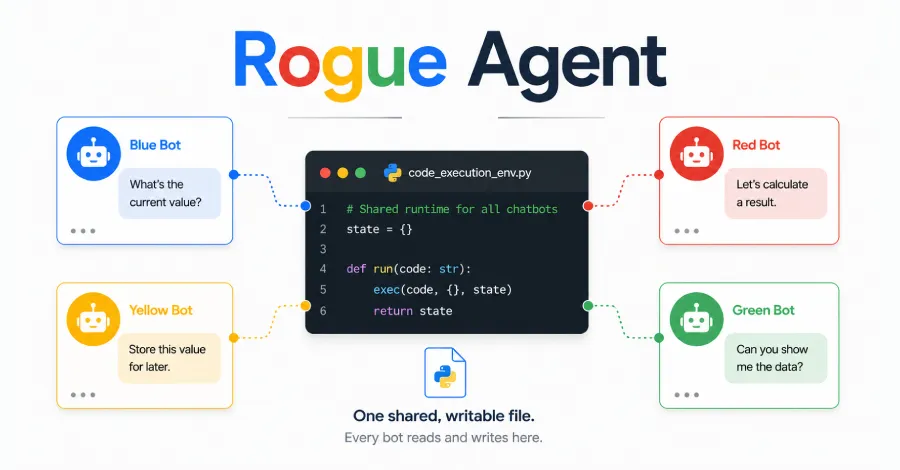
Securing Google Dialogflow CX Chatbots: Addressing AI-Driven Vulnerabilities
Recent discoveries have highlighted vulnerabilities in Google Dialogflow CX chatbots that could be exploited by attackers. This article explores these risks and provides actionable steps for securing your AI-driven applications.
Related articles




Popular in Cybersecurity
- Federal Mandate for Autonomous Vehicles: A Call for Safety Compliance
- EU Mandates Google to Share Data and Open AI on Android: What It Means
- GitHub Revamps Bug Bounty Program: Implications for Developers and Security
- Australian Government Disables Thousands of Functional Broadband Routers: A Wasteful Decision
- Exploiting Redis: Understanding Zero-Day Vulnerabilities and Their Mitigation