AI in Cybersecurity: Safeguarding Against Software Vulnerabilities
As AI tools evolve, they pose unique challenges and opportunities in cybersecurity. Learn how organizations can secure against vulnerabilities introduced by AI models.

As artificial intelligence (AI) technologies continue to advance, their capabilities are finding applications across various domains, including cybersecurity. However, the same AI tools that can bolster defenses are also creating new vulnerabilities that organizations must address. Recent findings have highlighted how AI coding agents can inadvertently trigger endpoint security rules originally designed to detect malicious attacks. This revelation underscores the necessity for organizations to adapt their security measures to account for these evolving threats.
In the ongoing race between cybercriminals and cybersecurity professionals, AI has emerged as a dual-edged sword. While it offers innovative solutions for threat detection and response, it simultaneously introduces complexities that can complicate security measures. The challenge now lies in securing systems against AI-generated vulnerabilities and ensuring that organizations can effectively respond to potential threats.
The Rise of AI in Cybersecurity
AI technologies are being increasingly integrated into cybersecurity strategies, providing organizations with enhanced capabilities for identifying and mitigating threats. With machine learning algorithms, security systems can analyze vast amounts of data in real time, identifying patterns and anomalies that may indicate a breach. However, the rapid evolution of AI also leads to new challenges, as these same tools can generate code or configurations that unintentionally expose systems to risks.
How AI Agents Trigger Security Rules
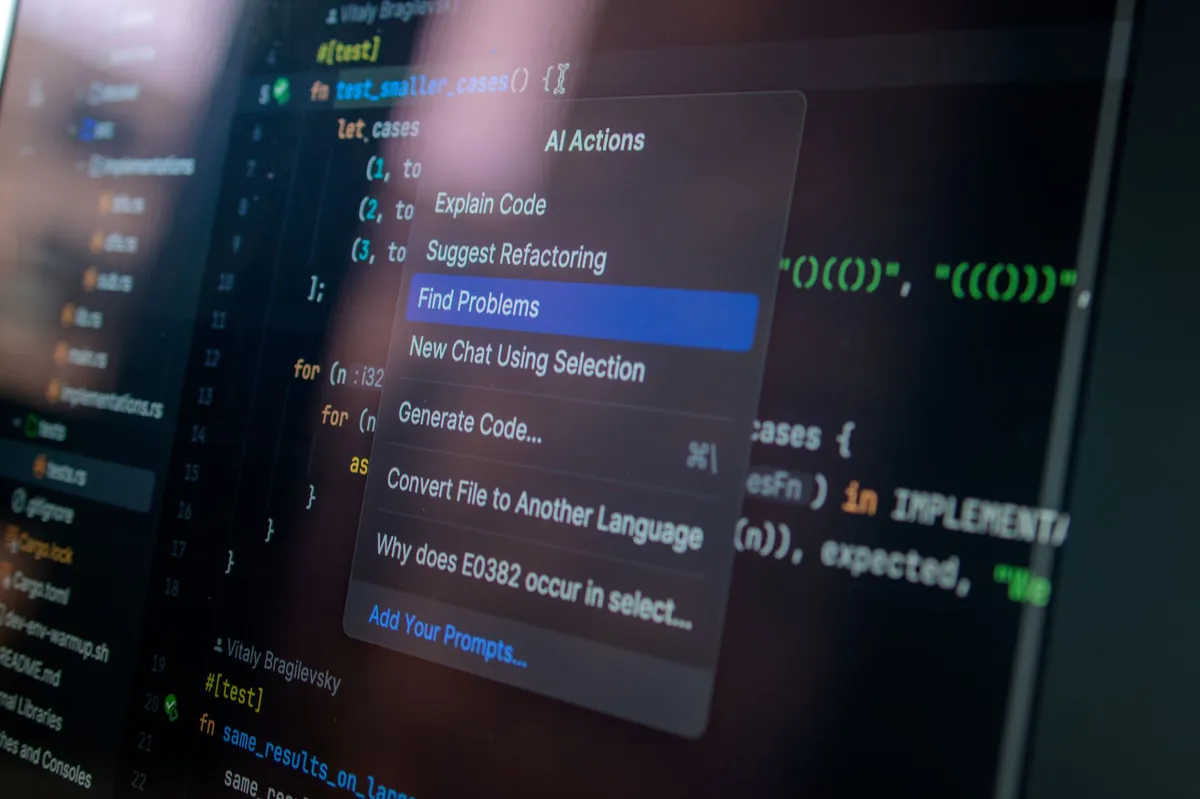
AI coding agents, designed to assist developers in writing and optimizing code, can inadvertently trigger endpoint security rules. These rules are set up to detect suspicious activities that may signify a cyber attack. When AI-generated code is executed, it may resemble behavior that security systems classify as malicious, leading to false positives and potentially disrupting legitimate operations.
Understanding Software Vulnerabilities
Software vulnerabilities are weaknesses or flaws in applications that can be exploited by attackers to gain unauthorized access or cause damage. AI models can introduce new types of vulnerabilities, either through flawed code generation or by creating dependencies that weren't previously considered. For instance, an AI system might suggest a coding approach that is efficient but overlooks security best practices.
Common Vulnerabilities Introduced by AI
- Code Injection: AI-generated code may contain injection flaws that allow attackers to execute arbitrary code.
- Data Leakage: AI models can inadvertently expose sensitive information if they are trained on unfiltered datasets.
- Dependency Conflicts: AI tools might recommend libraries or frameworks that have known vulnerabilities.
- Improper Authentication: AI-generated solutions may miss critical authentication steps.

Steps to Secure Against AI-Driven Vulnerabilities
To ensure robust security in the face of AI-generated vulnerabilities, organizations must implement a proactive approach. Here are five actionable steps to secure your systems:
1. Conduct Regular Security Assessments
Regularly assess your applications and systems for vulnerabilities. Utilizing both automated tools and manual reviews can help in identifying potential risks introduced by AI-generated code.
2. Implement Robust Code Review Processes
Establish thorough code review practices that include security checks. This can involve integrating static code analysis tools that highlight security issues in AI-generated code.
3. Train AI Models with Security in Mind
When developing AI models, prioritize security by training them on secure coding practices and ensuring they have access to diverse and secure datasets.
4. Monitor Endpoint Security Rules Closely
Keep a close watch on endpoint security logs to identify any unusual behavior triggered by AI-generated code. This can help in swiftly mitigating false positives.
5. Foster a Security-First Culture
Encourage a culture of security awareness across the organization. Educating employees about the potential risks associated with AI can empower them to make informed decisions.

Key Takeaways
- AI tools can inadvertently introduce software vulnerabilities.
- Understanding how AI agents trigger security rules is crucial for remediation.
- Proactive measures, including regular assessments and code reviews, are essential.
- Establishing a security-first culture can enhance overall organizational security.
Frequently Asked Questions
What types of vulnerabilities can AI introduce?
AI can introduce various vulnerabilities, including code injection flaws, data leakage, dependency conflicts, and improper authentication. These vulnerabilities arise from the AI's coding practices, which may not adhere to security best practices, leading to potential exploits by cybercriminals.
How can organizations ensure that AI-generated code is secure?
Organizations can ensure the security of AI-generated code by implementing regular security assessments, establishing robust code review processes, and training AI models with security considerations in mind. Additionally, monitoring endpoint security closely can help identify and address any issues promptly.
Are there specific tools to help manage AI-related vulnerabilities?
Yes, there are several tools available for managing AI-related vulnerabilities, including static code analysis tools, vulnerability scanners, and automated testing suites. These tools can help identify flaws in AI-generated code and ensure adherence to security practices.
Why is fostering a security-first culture important?
A security-first culture is essential as it empowers employees to be vigilant about potential threats and to adopt security best practices in their daily operations. When security is prioritized at all levels of an organization, the overall resilience against cyber threats is significantly enhanced.
Comments
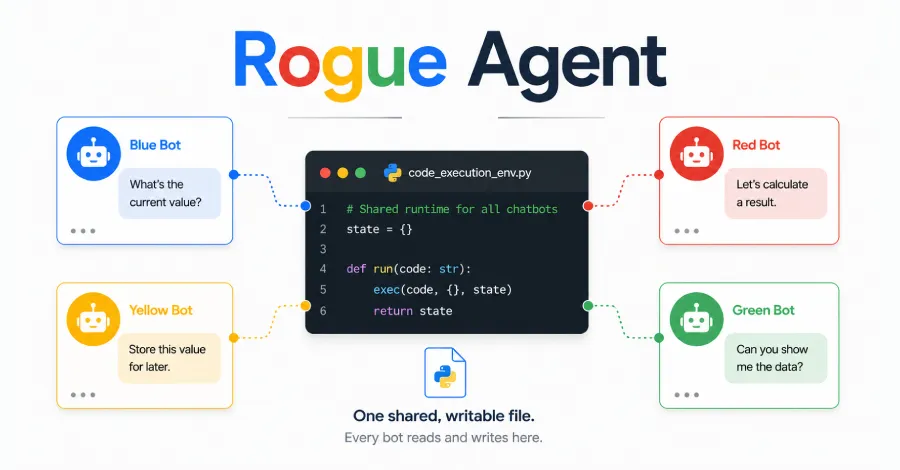
Securing Google Dialogflow CX Chatbots: Addressing AI-Driven Vulnerabilities
Recent discoveries have highlighted vulnerabilities in Google Dialogflow CX chatbots that could be exploited by attackers. This article explores these risks and provides actionable steps for securing your AI-driven applications.
Related articles




Popular in Cybersecurity
- Federal Mandate for Autonomous Vehicles: A Call for Safety Compliance
- EU Mandates Google to Share Data and Open AI on Android: What It Means
- GitHub Revamps Bug Bounty Program: Implications for Developers and Security
- Australian Government Disables Thousands of Functional Broadband Routers: A Wasteful Decision
- Exploiting Redis: Understanding Zero-Day Vulnerabilities and Their Mitigation