Protecting Your Devices from Malicious 7-Zip Installers and Software Vulnerabilities
Learn how fake software installers can compromise your devices and explore steps to secure against emerging software vulnerabilities identified by AI models.
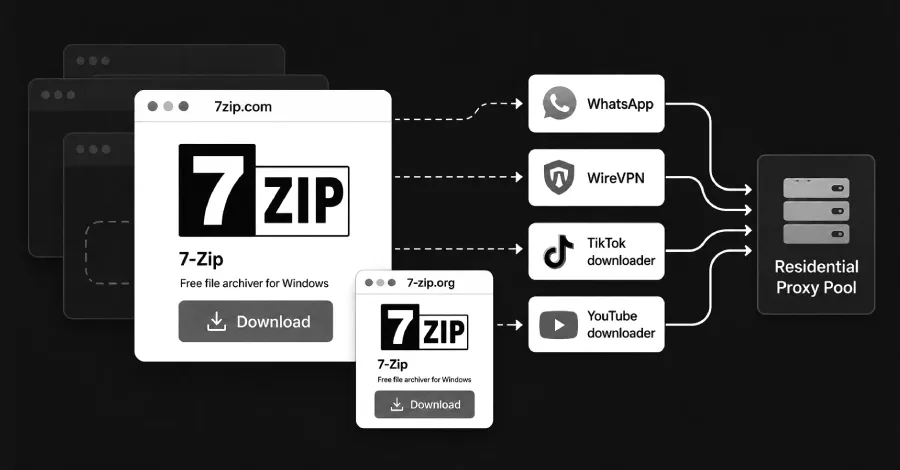
In an age where cybersecurity threats are increasingly sophisticated, the emergence of fake software installers poses a significant risk to users and organizations alike. Recently, security experts uncovered a troubling trend involving counterfeit 7-Zip installers, which are maliciously configured to transform unsuspecting devices into residential proxy nodes.
This alarming development not only jeopardizes individual users but can also have cascading effects on organizations that rely on secure network environments. In tandem with these threats, the rise of artificial intelligence (AI) in cybersecurity has introduced innovative methods for identifying and mitigating software vulnerabilities. In this article, we will delve into the risks associated with counterfeit software installations and provide actionable steps to bolster your cybersecurity defenses.
The Threat of Fake 7-Zip Installers
7-Zip, a popular open-source file archiver, is widely used for compressing files and managing archives. However, as its popularity has grown, so has the prevalence of fake installers that exploit unsuspecting users. These counterfeit versions of 7-Zip can be found on dubious download sites, often masquerading as legitimate software. When downloaded and installed, these fake installers can compromise the device, turning it into a proxy node for malicious activities.
How Fake Installers Compromise Devices
Once a user installs a fake version of 7-Zip, the malware embedded within can:
- Redirect traffic: The compromised device can be used to route internet traffic, effectively masking the identity of cybercriminals.
- Harvest data: These installers can exploit system vulnerabilities to extract sensitive information, such as passwords and personal files.
- Join botnets: Infected devices may also be recruited into larger networks of compromised machines, facilitating coordinated cyberattacks.
Given this alarming potential, users must exercise caution when downloading any software, particularly from unfamiliar sources.

Understanding the Role of AI in Cybersecurity
As organizations face an increasing number of cyber threats, AI has emerged as a powerful ally in the fight against vulnerabilities. By leveraging machine learning algorithms, AI can analyze vast amounts of data to identify patterns indicative of security weaknesses. This capability allows security teams to proactively address vulnerabilities before they can be exploited by cybercriminals.
AI-Driven Vulnerability Detection
AI models can assist in vulnerability detection through:
- Automated Scanning: AI tools can perform continuous scans of systems to identify outdated software or unpatched vulnerabilities.
- Behavioral Analysis: By monitoring user behavior and system activity, AI can flag abnormal patterns that may indicate security breaches.
- Threat Intelligence: AI can aggregate data from various sources to provide insights into emerging threats, allowing organizations to stay ahead of attackers.
In essence, AI not only enhances the speed and accuracy of vulnerability detection but also empowers organizations to respond swiftly to potential threats.

Five Steps to Secure Against Software Vulnerabilities
To safeguard your organization against software vulnerabilities, consider implementing the following strategies:
1. Regular Software Updates
Ensure that all software, including operating systems and applications, is kept up to date. Patch management is crucial, as many vulnerabilities are exploited through outdated versions of software.
2. Use Reputable Sources
Always download software from trusted sources. Verify the publisher of the software and cross-check reviews before installation.
3. Implement AI-Driven Security Solutions
Invest in AI-powered cybersecurity tools that can enhance your organization's ability to detect and respond to vulnerabilities effectively.
4. Conduct Employee Training
Regularly train employees on cybersecurity best practices, including recognizing phishing attempts and the importance of secure software installations.
5. Monitor Systems Continuously
Establish a continuous monitoring system that can detect unusual activity and respond to potential threats in real-time.

Key Takeaways
- Fake 7-Zip installers can convert devices into residential proxy nodes, posing significant security threats.
- AI is a vital tool for identifying and addressing software vulnerabilities before they can be exploited.
- Following best practices for software installation and updates is crucial for maintaining cybersecurity integrity.
Frequently Asked Questions
What should I do if I suspect I’ve downloaded a fake installer?
If you suspect that you have installed a fake software version, immediately disconnect your device from the internet and run a complete antivirus scan. It is also advisable to change passwords for any accounts accessed from the compromised device and monitor your financial accounts for unusual activity.
How can organizations ensure their employees are aware of cybersecurity threats?
Organizations can enhance awareness through regular training sessions, workshops, and simulated phishing attacks. Providing resources that outline common threats and safe practices can also empower employees to recognize potential risks effectively.
What role can AI play in the future of cybersecurity?
As AI technology continues to evolve, its role in cybersecurity is likely to expand. Future developments may include more sophisticated predictive capabilities that can not only identify vulnerabilities but also anticipate new threats before they emerge, leading to a more proactive security posture.
Comments
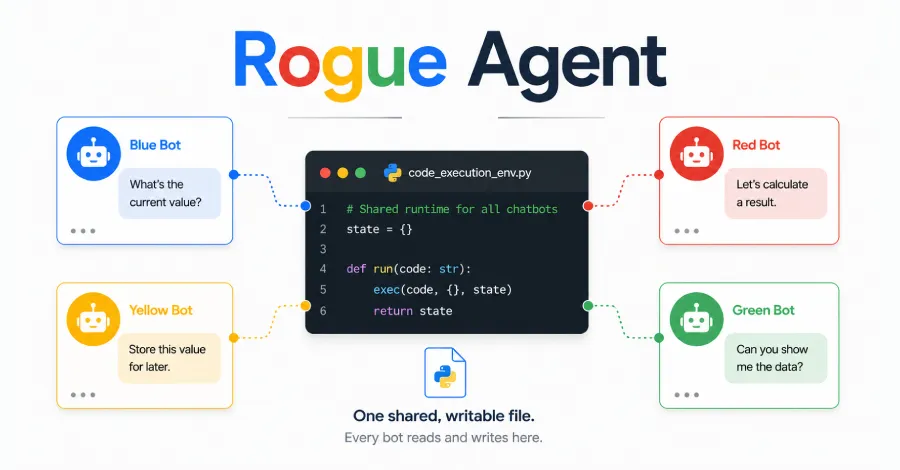
Securing Google Dialogflow CX Chatbots: Addressing AI-Driven Vulnerabilities
Recent discoveries have highlighted vulnerabilities in Google Dialogflow CX chatbots that could be exploited by attackers. This article explores these risks and provides actionable steps for securing your AI-driven applications.
Related articles



Popular in Cybersecurity
- Federal Mandate for Autonomous Vehicles: A Call for Safety Compliance
- EU Mandates Google to Share Data and Open AI on Android: What It Means
- GitHub Revamps Bug Bounty Program: Implications for Developers and Security
- Australian Government Disables Thousands of Functional Broadband Routers: A Wasteful Decision
- Exploiting Redis: Understanding Zero-Day Vulnerabilities and Their Mitigation