Michigan Faces Surge in Cyclospora Outbreak: Over 700 Cases Reported
Michigan is experiencing a significant outbreak of the Cyclospora parasite, with over 700 cases reported in just two weeks. Health officials are investigating potential sources and urging the public to practice hygiene and food safety.
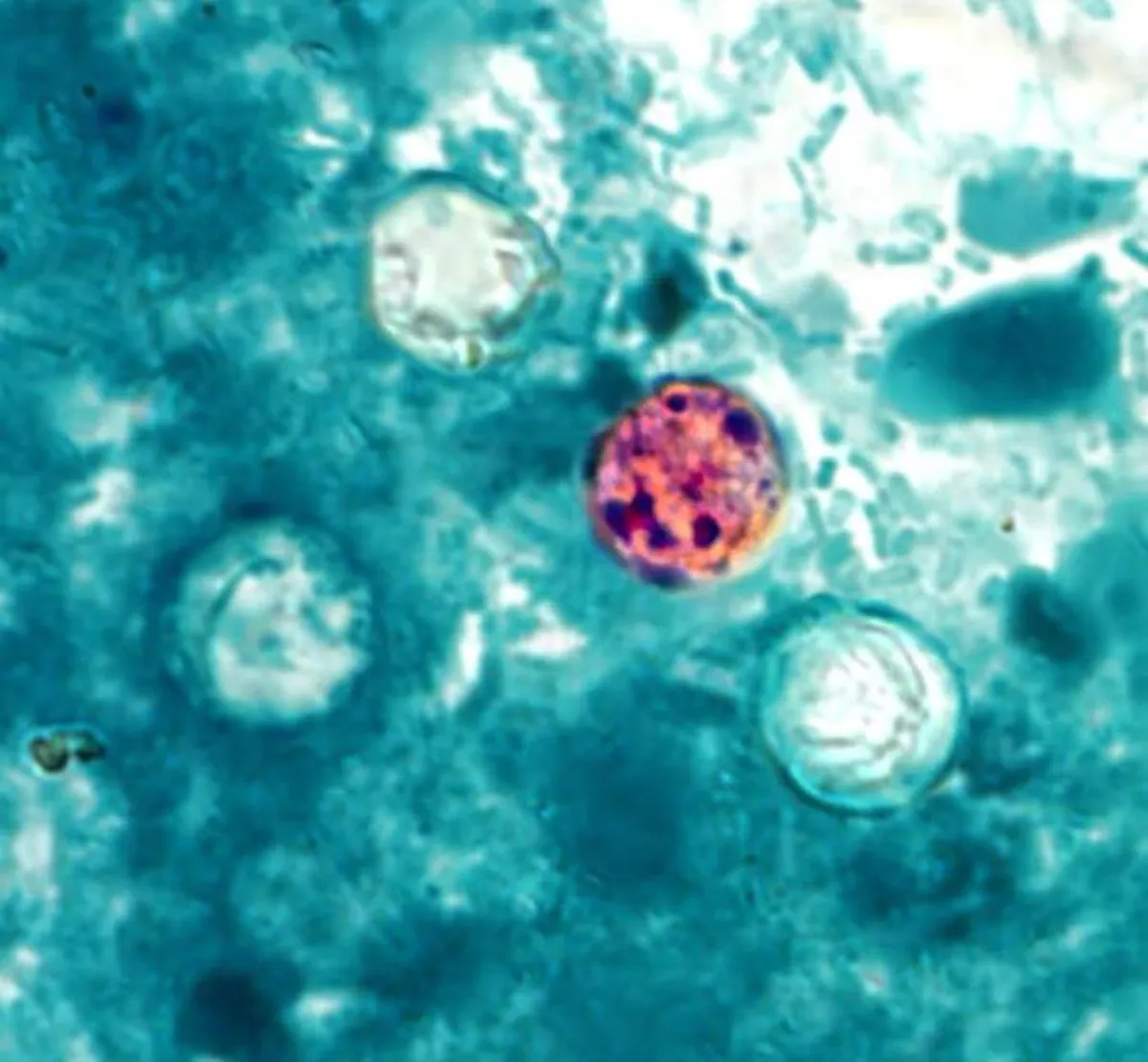
A concerning public health crisis is unfolding in Michigan, where health officials have reported an astonishing surge in cases of cyclosporiasis, a diarrheal illness caused by the Cyclospora cayetanensis parasite. As of July 6, 2026, the state has recorded over 700 cases since June 22, marking a rapid increase from just 170 cases reported on June 30. The Michigan Department of Health and Human Services (MDHSS) has not only noted the significant rise in infections but also confirmed 36 hospitalizations linked to this outbreak. The situation has prompted an urgent investigation to identify the source of the infections.
The outbreak is alarming, particularly because Michigan typically sees fewer than 100 cases of cyclosporiasis each year. This year, however, the numbers have skyrocketed, raising questions about food safety and public health measures. Understanding the nature of this outbreak, its potential sources, and how to prevent infection is crucial for residents and businesses alike.

Understanding Cyclospora and Cyclosporiasis
Cyclospora cayetanensis is a microscopic, unicellular parasite that can cause cyclosporiasis, which presents with symptoms including watery diarrhea, stomach cramps, nausea, and fatigue. The illness is not typically life-threatening, but it can lead to dehydration, particularly in vulnerable populations such as children and the elderly. Symptoms may last from several days to weeks and can be debilitating, disrupting daily life.
Transmission and Sources
The primary mode of transmission for Cyclospora is fecal-oral, often through contaminated food or water. The parasite can be found in fresh produce, with previous outbreaks linked to items such as:
- Bagged salad mixes
- Cilantro and basil
- Raspberries
- Snow peas
- Green onions
Given the nature of the current outbreak, MDHSS is actively working to identify any commonalities among the affected individuals, including their dietary habits and recent food purchases. This investigation is crucial for pinpointing a potential source and preventing further spread.

The Investigation: Challenges and Progress
As the number of reported cases has surged, MDHSS has launched a comprehensive investigation in collaboration with local health departments, the Centers for Disease Control and Prevention (CDC), and other federal agencies. The goal is to gather detailed information from patients to uncover common exposures, such as specific food items or restaurants.
However, the investigation faces challenges. As of now, no specific produce grower or supplier has been definitively linked to the outbreak. This lack of clarity complicates public health efforts and raises concerns about the safety of various food products available in the market.
National Trends and Historical Context
Historically, cyclosporiasis cases peak during the summer months, particularly in June and July. The CDC has indicated that in previous years, the United States has seen annual case counts ranging from 2,000 to 5,000. For context, in 2023, the nation reported a total of 4,463 cases, while Michigan's alarming spike this year stands out starkly against its historical norms, where annual totals were typically around just 50.
The current outbreak in Michigan has raised the national total of reported cases significantly, as it stands to push total cases beyond 845 when combined with other states. This anomaly serves as a reminder of the persistent threat posed by foodborne pathogens and the need for vigilant public health measures.

Preventative Measures and Public Health Recommendations
In light of the outbreak, public health officials are urging residents to adhere to strict food safety practices, which are critical in minimizing the risk of infection. Key recommendations include:
- Wash hands thoroughly: Always wash hands with soap and water before handling food and after using the restroom.
- Clean produce: Rinse fresh fruits and vegetables under running water, even if you plan to peel them.
- Avoid risky foods: Be cautious with pre-packaged salads and produce that may have a higher risk of contamination.
- Stay hydrated: If experiencing symptoms, ensure adequate fluid intake to prevent dehydration.
These practices are not only essential for individual health but also play a vital role in community health by preventing the spread of infections.
Key Takeaways
- Michigan is facing a significant outbreak of cyclosporiasis, with over 700 cases reported in a two-week span.
- The outbreak is linked to the Cyclospora cayetanensis parasite, which typically spreads through contaminated food and water.
- Health officials are investigating the outbreak but have yet to identify a specific source.
- Public health recommendations emphasize the importance of hand hygiene and proper food handling to prevent further infections.
- Historically, cyclosporiasis cases peak during the summer months, highlighting the need for continued vigilance.

Frequently Asked Questions
What are the symptoms of cyclosporiasis?
Symptoms of cyclosporiasis typically include watery diarrhea, stomach cramps, nausea, fatigue, and loss of appetite. These symptoms can last for several days to weeks and can lead to dehydration, especially in vulnerable populations. If you experience severe symptoms or prolonged illness, it is advisable to seek medical attention.
How can I protect myself from Cyclospora infection?
To protect yourself from Cyclospora infection, practice good hygiene by washing your hands frequently, especially before eating or preparing food. Additionally, thoroughly wash all produce under running water and consider avoiding pre-packaged salads unless you can verify their safety. Staying informed about any public health advisories related to food safety can also be beneficial.
Why is it difficult to trace the source of the outbreak?
Tracing the source of a foodborne outbreak can be complex due to various factors, including the widespread distribution of food products and the potential for cross-contamination. In the case of the current Cyclospora outbreak in Michigan, health officials are interviewing affected individuals and analyzing food histories to identify common exposures, but no definitive source has yet been established.
What should I do if I suspect I have cyclosporiasis?
If you suspect you have cyclosporiasis, it is important to seek medical advice. A healthcare professional can provide a proper diagnosis and recommend treatment, which may include supportive care to manage symptoms and prevent dehydration. Reporting your illness to local health authorities can also assist in outbreak investigations.
Comments
Securing Google Dialogflow CX Chatbots: Addressing AI-Driven Vulnerabilities
Recent discoveries have highlighted vulnerabilities in Google Dialogflow CX chatbots that could be exploited by attackers. This article explores these risks and provides actionable steps for securing your AI-driven applications.

Related articles







Popular in Cybersecurity
- Federal Mandate for Autonomous Vehicles: A Call for Safety Compliance
- EU Mandates Google to Share Data and Open AI on Android: What It Means
- GitHub Revamps Bug Bounty Program: Implications for Developers and Security
- Australian Government Disables Thousands of Functional Broadband Routers: A Wasteful Decision
- Exploiting Redis: Understanding Zero-Day Vulnerabilities and Their Mitigation