Exploring HTTP Desync Techniques and the Apache Zero-Day Threat
Recent developments in web security have unveiled alarming HTTP desynchronization techniques and a critical Apache vulnerability. This article delves into these issues and their implications for businesses.
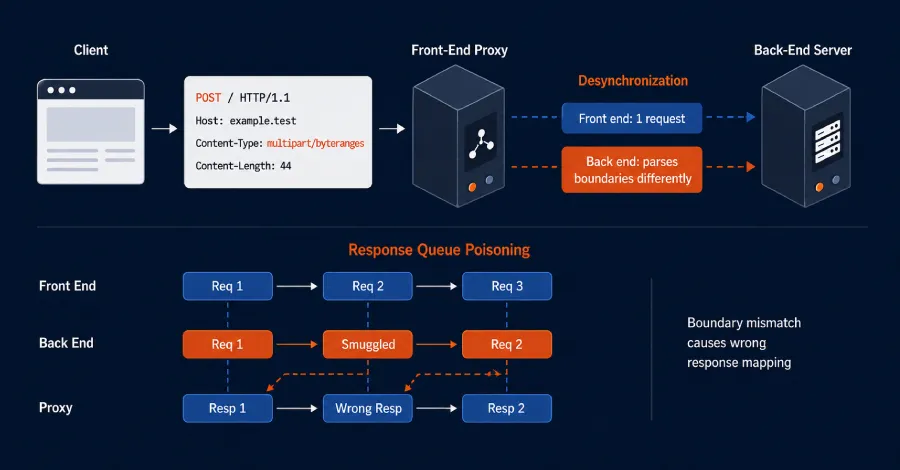
The landscape of web security continues to evolve at a rapid pace, with new vulnerabilities and attack techniques emerging regularly. Recently, an AI-assisted HTTP terminator has brought to light novel HTTP desynchronization techniques that could pose significant threats to web applications. Alongside this, a zero-day vulnerability in Apache has been discovered, raising urgent concerns for businesses relying on this widely used web server software. In this article, we will explore these developments in detail, their implications for security, and the necessary steps organizations should take to mitigate risk.
Understanding HTTP Desynchronization
HTTP desynchronization, or desync, occurs when an attacker exploits the way HTTP requests are processed by web servers. This technique can lead to various vulnerabilities, including the ability to bypass security measures and execute arbitrary code. Essentially, desynchronization allows attackers to manipulate the request-response cycle, creating inconsistencies that can be exploited for malicious purposes. Recent research has shown that these techniques can be particularly effective against systems that rely on asynchronous processing.
The Role of AI in Detecting and Countering Threats
As cyber threats become more sophisticated, the role of artificial intelligence in cybersecurity is becoming increasingly vital. AI-assisted tools can analyze patterns in HTTP traffic to detect anomalies that may indicate desynchronization attempts. By leveraging machine learning algorithms, these tools can identify and respond to threats in real time, significantly enhancing an organization’s security posture. For example, a study conducted by a leading cybersecurity firm highlighted that AI systems could reduce incident response times by up to 85%, enabling organizations to act swiftly against emerging threats.

The Apache Zero-Day Vulnerability
Along with the revelations about HTTP desync techniques, a critical zero-day vulnerability in Apache has been identified. Zero-day vulnerabilities are particularly dangerous because they are unknown to the software vendor and can be exploited by attackers before a patch is available. The Apache software, which powers over 40% of websites globally, is a prime target for cybercriminals. The implications of this vulnerability are serious, as it could allow attackers to gain unauthorized access to sensitive data, execute remote commands, or even take control of affected servers.
Impact on Businesses and the Need for Immediate Action
Businesses leveraging Apache should prioritize immediate action to safeguard their systems. The first step is to conduct a thorough audit of their web applications and server configurations to identify potential vulnerabilities. Furthermore, organizations should implement robust monitoring solutions that can detect unusual patterns in HTTP traffic indicative of desynchronization attempts or exploit attempts targeting the Apache vulnerability.

Map Cross-Domain Privilege Escalation
In addition to the immediate threats posed by desync techniques and the Apache vulnerability, organizations must also consider cross-domain privilege escalation. This type of attack occurs when an attacker exploits a vulnerability to gain higher privileges or access to restricted areas of a system. Mapping out potential attack paths is essential for identifying and severing breach routes at key choke points. By understanding how attackers can navigate through systems, organizations can implement better security measures to protect sensitive information.
- Regularly update software: Ensure all systems and applications, including Apache, are up to date with the latest security patches.
- Implement web application firewalls (WAFs): These can help filter and monitor HTTP requests to prevent desync exploits.
- Conduct regular security training: Educate employees about the risks associated with HTTP desynchronization and privilege escalation.

Key Takeaways
- HTTP desynchronization techniques pose significant threats to web applications.
- A newly discovered zero-day vulnerability in Apache requires immediate attention from businesses.
- Implementing AI tools can enhance detection and response capabilities against emerging threats.
- Mapping cross-domain privilege escalation is crucial for identifying potential attack paths.
Frequently Asked Questions
What is an HTTP desynchronization attack?
An HTTP desynchronization attack involves manipulating the way HTTP requests and responses are handled by a web server, creating inconsistencies that can be exploited for malicious purposes. This type of attack can lead to unauthorized access and data breaches, making it a significant threat to web applications.
How can businesses protect themselves against zero-day vulnerabilities?
To protect against zero-day vulnerabilities, businesses should adopt a proactive security strategy that includes regular software updates, implementing monitoring solutions, and conducting security audits. Additionally, staying informed about emerging threats and applying patches as soon as they are available is crucial in mitigating risk.
What role does AI play in cybersecurity?
AI plays a critical role in cybersecurity by enabling organizations to detect and respond to threats in real time. AI tools can analyze vast amounts of data to identify patterns and anomalies, allowing for quicker incident response and reduced exposure to cyber threats. This technology enhances overall security posture and helps organizations stay one step ahead of attackers.
Comments
Microsoft 365 AitM Phishing: A Rising Threat to Business Security
Phishing attacks targeting Microsoft 365's AitM feature are jeopardizing corporate accounts and financial communications. This article explores the implications and preventive strategies.

Related articles






Popular in Cybersecurity
- Federal Mandate for Autonomous Vehicles: A Call for Safety Compliance
- EU Mandates Google to Share Data and Open AI on Android: What It Means
- GitHub Revamps Bug Bounty Program: Implications for Developers and Security
- Australian Government Disables Thousands of Functional Broadband Routers: A Wasteful Decision
- Exploiting Redis: Understanding Zero-Day Vulnerabilities and Their Mitigation