Meta Faces $567 Million Fine in New Mexico Child Safety Case
A New Mexico court has ordered Meta to pay an additional $567 million for child safety violations, bringing the total to $942 million. This ruling highlights the growing scrutiny of social media's impact on youth mental health and safety.
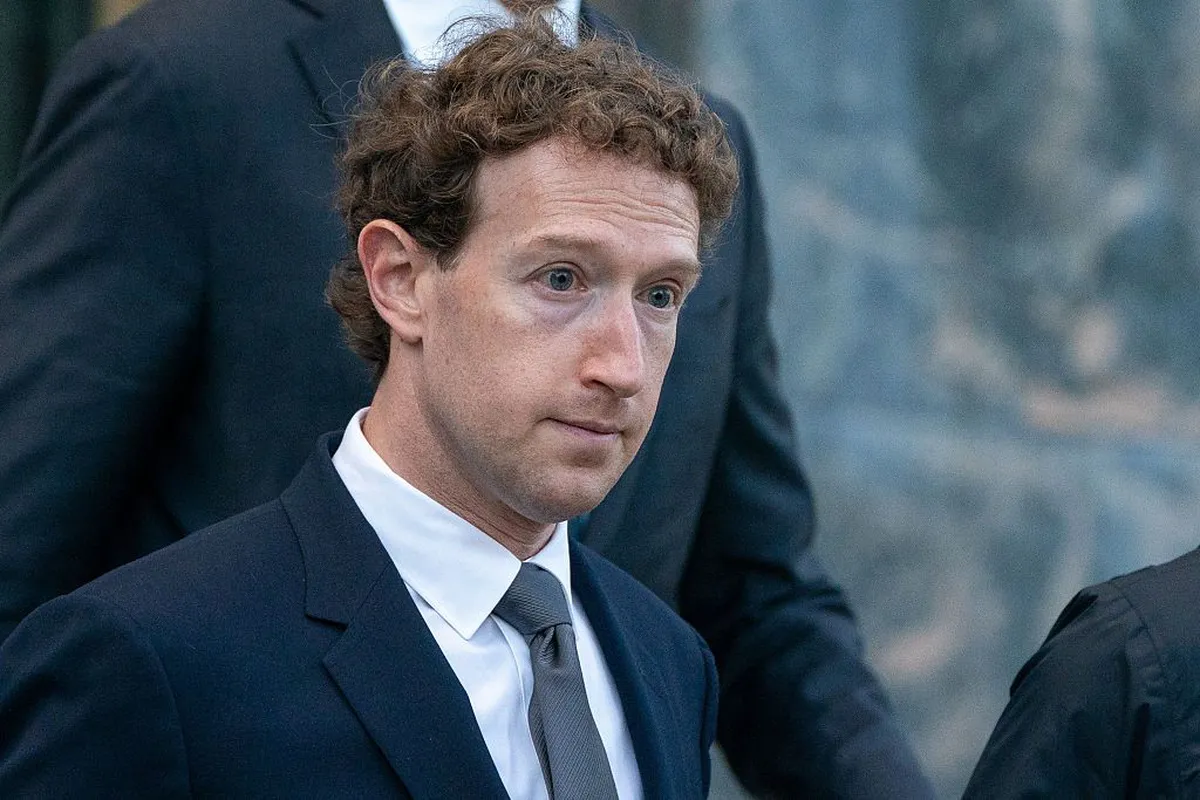
In a significant legal blow to Meta, the New Mexico court has ordered the tech giant to pay an additional $567 million in fines related to child safety violations. This ruling comes on top of an earlier penalty of $375 million issued in March, culminating in a staggering total of $942 million that Meta must now pay. This extensive financial toll underscores the increasing scrutiny of social media platforms and their impact on youth mental health and safety.
The court's decision is not merely punitive; it mandates substantial changes to Meta's operations within the state. These changes include the removal of 'Like' counts from posts, a move aimed at reducing the addictive nature of social media among minors. Furthermore, the court has mandated that push notifications to users under 18 be paused between the hours of 10 p.m. and 7 a.m., and their overall usage should be limited to approximately three hours per day, amounting to a total of 90 hours per month. The implications of these regulations could serve as a blueprint for future legislation aimed at protecting children online.

Understanding the Rationale Behind the Ruling
The New Mexico judge's ruling is anchored in the assertion that Meta's platforms contribute significantly to various social issues affecting young people, including mental health crises and exposure to harmful content. The ruling noted that, while Meta isn't the only platform implicated, its practices have fostered a public nuisance that necessitates corrective actions. This perspective aligns with broader concerns about social media's role in youth addiction and mental health challenges.
Legal Context and Implications
This ruling is emblematic of a growing trend across the United States, where multiple states are stepping up legal actions against major tech companies for their roles in exacerbating mental health issues among the youth. New Mexico's Attorney General, Raul Torrez, emphasized in his statement that Meta's actions reflect a disregard for children's safety for the sake of engagement and profit. This legal stance is gaining traction, as evidenced by similar lawsuits filed by 33 states consolidated in a federal court in Oakland, California, along with additional cases from states like Tennessee.
Meta's Response and Future Outlook
In response to the ruling, Meta has expressed its commitment to maintaining a safe environment on its platforms. Company spokesperson Andy Stone stated that the firm has been transparent about the challenges posed by harmful content and bad actors. However, the reality remains that Meta has faced significant legal challenges and public backlash regarding its impact on the younger demographic.
As legal pressures mount, Meta's future strategies will likely involve a reevaluation of its platform features and user engagement tactics. This could include implementing more robust parental controls and educational resources aimed at fostering a safer online experience for minors.

The Broader Impact: Social Media and Youth Wellbeing
The New Mexico ruling highlights a crucial conversation about the intersection of technology and child welfare. As social media becomes increasingly ingrained in daily life, the potential for addiction and negative mental health outcomes poses a serious challenge for families, educators, and policymakers.
Parents and guardians are encouraged to actively engage with their children about social media use. Discussions around online behavior, privacy settings, and the importance of taking breaks from technology can serve as preventive measures against the adverse effects of excessive screen time.
Key Features of the Ruling
- Additional Fine: Meta is required to pay an extra $567 million, totaling $942 million.
- Removal of 'Like' Counts: The court mandates the removal of engagement metrics for minors.
- Usage Limitations: Notifications to minors must be limited and usage restricted to 90 hours monthly.
- Public Nuisance Acknowledgment: The ruling recognizes the significant harm caused by Meta's platforms.

Key Takeaways
- The New Mexico court has imposed a total fine of $942 million on Meta for child safety violations.
- Changes mandated include the removal of 'Like' counts and usage restrictions for minors.
- The ruling reflects a growing trend of legal scrutiny aimed at protecting youth from social media harms.
- Parents are encouraged to engage in discussions about social media safety with their children.
Frequently Asked Questions
What led to the New Mexico court's ruling against Meta?
The ruling stemmed from concerns that Meta's platforms contribute to significant risks for children, including mental health issues and exposure to harmful content. The court found that Meta's practices constituted a public nuisance, necessitating corrective measures to protect young users.
How does this ruling affect other states and social media platforms?
This ruling may set a legal precedent for other states pursuing similar actions against Meta and other social media platforms. The increasing scrutiny on tech companies could lead to more stringent regulations and changes in how platforms operate to prioritize user safety, especially for minors.
What actions can parents take to ensure their children's safety online?
Parents can play a critical role by educating their children about the potential risks associated with social media use. This includes discussing privacy settings, encouraging responsible online behavior, and promoting breaks from screen time to mitigate the effects of social media addiction.
Will Meta appeal the court's decision?
While Meta has expressed its intention to defend its practices and maintain its commitment to user safety, it remains to be seen whether the company will formally appeal this particular ruling. The evolving landscape of legal challenges and public opinion regarding social media practices will likely influence its decision.
Comments
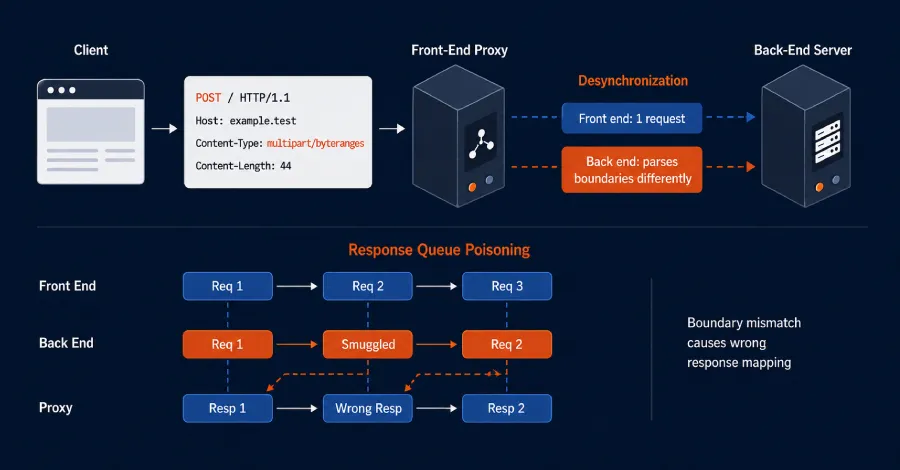
Exploring HTTP Desync Techniques and the Apache Zero-Day Threat
Recent developments in web security have unveiled alarming HTTP desynchronization techniques and a critical Apache vulnerability. This article delves into these issues and their implications for businesses.
Related articles





Popular in Cybersecurity
- Federal Mandate for Autonomous Vehicles: A Call for Safety Compliance
- EU Mandates Google to Share Data and Open AI on Android: What It Means
- GitHub Revamps Bug Bounty Program: Implications for Developers and Security
- Australian Government Disables Thousands of Functional Broadband Routers: A Wasteful Decision
- Exploiting Redis: Understanding Zero-Day Vulnerabilities and Their Mitigation