Understanding Identity Exposure: The Key to Preventing Cyber Attacks
Identity exposure poses significant risks to organizations, enabling attackers to exploit vulnerabilities. This article delves into active attack paths and strategies to mitigate risks.
In an era where digital identity is paramount, the exposure of personal and organizational identities has become a gateway for cybercriminals to launch sophisticated attacks. Recent incidents underscore the criticality of understanding how identity exposure can unlock attack paths, leading to significant breaches, financial losses, and reputational damage. In this article, we will explore the concept of identity exposure, how it manifests in various attack scenarios, and what organizations can do to safeguard their networks against these threats.
The Reality of Identity Exposure in Cybersecurity
Identity exposure occurs when sensitive information regarding users, systems, or networks becomes publicly accessible or is leaked to unauthorized parties. This information can include usernames, passwords, email addresses, and more, providing attackers with the necessary tools to compromise systems. According to a report by cybersecurity experts, approximately 60% of breaches involve compromised identities, highlighting the urgent need for comprehensive identity management strategies.
Understanding how attackers exploit identity exposure is crucial for organizations looking to shore up their defenses. An exposed identity often serves as the first step in a broader attack strategy, leading to cross-domain privilege escalation. This means that attackers can leverage compromised credentials to move laterally within networks, increasing their access to sensitive data and systems.

Active Attack Paths: Mapping Vulnerabilities
To effectively prevent breaches, organizations must grasp the concept of active attack paths. These are the routes that attackers can take once they gain initial access through exposed identities. By mapping these paths, cybersecurity teams can identify key choke points within their infrastructure that, if secured, can sever potential breach routes.
Identifying Choke Points
Choke points are critical junctures within a network where security measures can significantly reduce the risk of lateral movement by attackers. Key areas to consider include:
- Authentication Systems: Ensuring robust multi-factor authentication (MFA) can help prevent unauthorized access even if credentials are compromised.
- Network Segmentation: Dividing a network into smaller, isolated segments can limit an attacker's ability to move freely within the infrastructure.
- Monitoring and Logging: Continuous monitoring of user activities can help identify unusual behavior indicative of a breach.
- Vulnerability Management: Regularly patching systems and applications can mitigate the risk of exploitation through known vulnerabilities.
By prioritizing these choke points, organizations can create a more resilient cybersecurity posture.

Case Studies: Real-World Impacts of Identity Exposure
Several high-profile incidents have highlighted the dangers of identity exposure in recent years. For instance, a well-known technology company faced a severe breach after attackers gained access to an employee's credentials through a phishing attack. The attackers subsequently accessed sensitive company data, resulting in substantial financial losses and a tarnished reputation.
In another case, a global retail chain suffered a data breach when hackers exploited weak authentication protocols. The attackers accessed customer identities, leading to a wave of fraudulent transactions and a significant drop in consumer trust.
These incidents underscore the importance of proactive measures to mitigate identity exposure and the subsequent attack paths that can arise from it.

Strategies for Mitigating Identity Exposure
To combat the risks associated with identity exposure, organizations should implement a multi-faceted approach. Here are some effective strategies:
- Strengthening Password Policies: Encourage the use of complex passwords and regular changes to reduce the likelihood of credential theft.
- Implementing Multi-Factor Authentication (MFA): Adding an extra layer of security can greatly enhance protection against unauthorized access.
- Conducting Regular Security Audits: Periodic assessments of security protocols can help identify and rectify vulnerabilities before they are exploited.
- Employee Training and Awareness: Educating staff about the dangers of phishing and social engineering can reduce the likelihood of successful attacks.
By integrating these strategies into their cybersecurity frameworks, organizations can significantly decrease the risk of identity exposure and its associated threats.
Key Takeaways
- Identity exposure is a significant risk factor in cybersecurity, leading to potential breaches.
- Mapping active attack paths helps organizations identify vulnerabilities that can be fortified.
- Implementing robust security measures, such as MFA and network segmentation, is critical in preventing unauthorized access.
- Regular training and audits can bolster an organization's defenses against identity-related threats.
Frequently Asked Questions
What is identity exposure?
Identity exposure refers to the unintentional or malicious dissemination of sensitive information related to individuals or organizations, which can be exploited by cybercriminals to gain unauthorized access to systems and data.
How can organizations identify active attack paths?
Organizations can identify active attack paths by conducting thorough security assessments, monitoring user activity, and mapping the network to pinpoint critical choke points that could be exploited by attackers.
What role does employee training play in cybersecurity?
Employee training is essential in cybersecurity as it equips staff with the knowledge to recognize and respond to potential threats, reducing the likelihood of successful attacks stemming from human error or negligence.
What measures can be taken to prevent identity exposure?
Preventing identity exposure involves implementing strong password policies, utilizing multi-factor authentication, conducting regular security audits, and providing ongoing training for employees to recognize security threats.
Comments
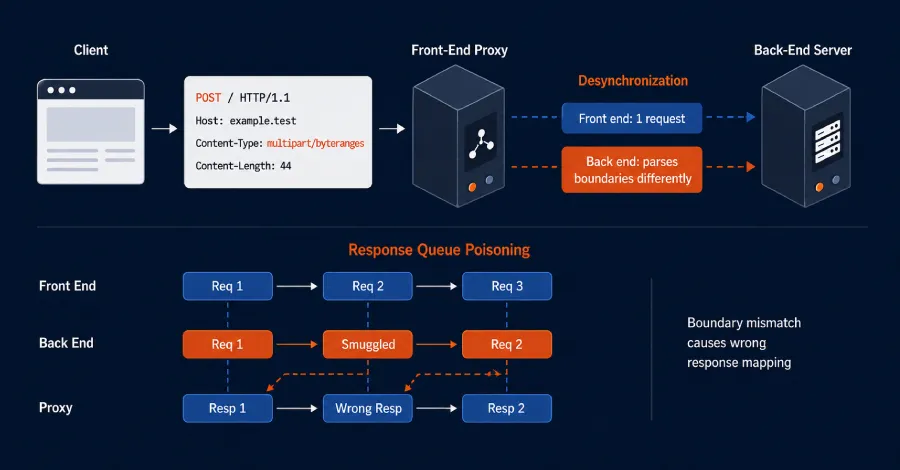
Exploring HTTP Desync Techniques and the Apache Zero-Day Threat
Recent developments in web security have unveiled alarming HTTP desynchronization techniques and a critical Apache vulnerability. This article delves into these issues and their implications for businesses.
Related articles






Popular in Cybersecurity
- Federal Mandate for Autonomous Vehicles: A Call for Safety Compliance
- EU Mandates Google to Share Data and Open AI on Android: What It Means
- GitHub Revamps Bug Bounty Program: Implications for Developers and Security
- Australian Government Disables Thousands of Functional Broadband Routers: A Wasteful Decision
- Exploiting Redis: Understanding Zero-Day Vulnerabilities and Their Mitigation