Understanding NatJack Attacks: A New Threat to Network Security
NatJack attacks represent a significant evolution in cyber threats, targeting TCP sessions and DNS spoofing. This article explores the implications for businesses and strategies to mitigate these risks.
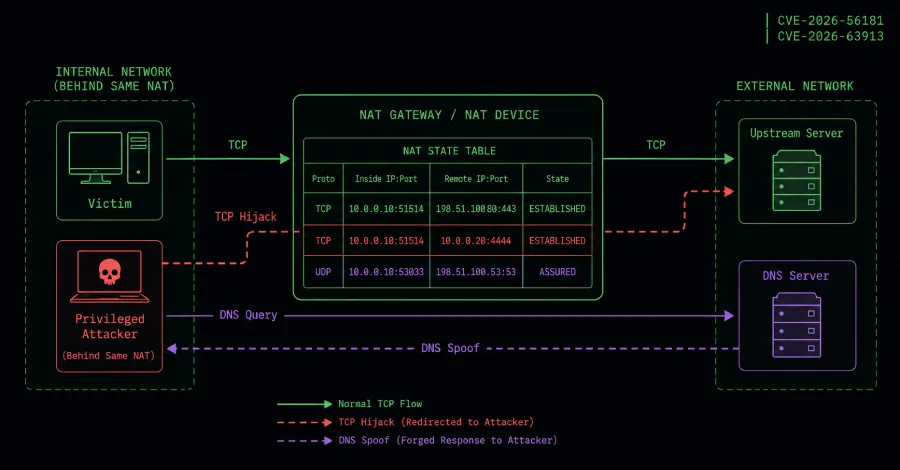
The landscape of cybersecurity is constantly evolving, with new threats emerging regularly. One such threat is the recently identified NatJack attack, which exploits vulnerabilities in Network Address Translation (NAT) tables to hijack Transmission Control Protocol (TCP) sessions and spoof Domain Name System (DNS) entries. As businesses increasingly rely on digital infrastructures, understanding and mitigating these sophisticated attacks is essential for maintaining security and integrity in network communications.
NatJack attacks have garnered attention not only for their technical complexity but also for their potential for damage. By manipulating NAT tables, attackers can effectively seize control of active TCP sessions, leading to unauthorized access and data breaches. This article will delve into the mechanics of NatJack attacks, their implications for organizations, and the strategies businesses can implement to safeguard their networks.
What are NatJack Attacks?
NatJack attacks are a type of cyber threat that targets the underlying mechanisms of NAT, a technology widely used in network routing. NAT allows multiple devices on a private network to share a single public IP address, enabling efficient management of IP space. However, attackers have discovered that by manipulating NAT tables, they can redirect traffic and hijack active TCP sessions.
The Mechanics of NatJack
At the core of a NatJack attack lies the manipulation of NAT tables, which are used to track active connections. When a device initiates a TCP connection, NAT creates a mapping between the internal IP address and port number and the external address. Attackers can exploit this mapping by injecting malicious packets into the session, allowing them to intercept or alter communications. This manipulation can lead to a range of malicious activities, including:
- Session Hijacking: Attackers can take over an existing session, impersonating the legitimate user.
- Data Interception: Sensitive information transmitted during the session can be captured.
- DNS Spoofing: By tampering with DNS requests, attackers can redirect users to malicious sites.

The Risks of NatJack for Businesses
The implications of NatJack attacks extend far beyond individual incidents; they pose a significant risk to organizations of all sizes. In an era where data breaches are commonplace, the ability of attackers to hijack sessions and manipulate DNS can lead to severe consequences, including:
Data Breaches and Compliance Issues
Data breaches resulting from NatJack attacks can expose sensitive customer information, leading to reputational damage and potential legal ramifications. Organizations may face compliance issues if they fail to protect data adequately, particularly under regulations such as the General Data Protection Regulation (GDPR) or the Health Insurance Portability and Accountability Act (HIPAA).
Financial Impact
The financial repercussions of a successful NatJack attack can be staggering. Organizations may incur costs related to incident response, legal fees, and regulatory fines, not to mention the long-term impact on customer trust and business reputation.
How to Protect Against NatJack Attacks
Given the sophisticated nature of NatJack attacks, organizations must adopt a proactive approach to cybersecurity. Here are several strategies that businesses can implement to defend against these threats:
- Implement Network Segmentation: By dividing networks into smaller segments, organizations can limit the potential impact of an attack.
- Use Strong Authentication Mechanisms: Multi-factor authentication (MFA) can help ensure that only authorized users gain access to sensitive systems.
- Monitor Network Traffic: Continuous monitoring of network traffic can help detect unusual patterns that may indicate an ongoing attack.
- Regularly Update and Patch Systems: Keeping software and systems up to date is crucial in defending against known vulnerabilities.

The Future of Network Security
As cyber threats like NatJack continue to evolve, organizations must remain vigilant and adaptable in their security strategies. The rapidly changing technological landscape means that new vulnerabilities will likely emerge, and attackers will continuously seek innovative ways to exploit them. Investing in robust cybersecurity measures is not just a necessity but a critical component of business strategy in the digital age.
The Role of Awareness and Training
Education and training for employees play a vital role in strengthening an organization's cybersecurity posture. By raising awareness about the potential risks and teaching best practices for online behavior, businesses can help mitigate the human factor, which is often a weak link in security.

Key Takeaways
- NatJack attacks exploit NAT table vulnerabilities to hijack TCP sessions.
- Businesses face significant risks, including data breaches and financial losses.
- Implementing network segmentation and strong authentication can help mitigate risks.
- Continuous monitoring and regular updates are essential for maintaining security.
- Employee training is crucial for building a robust cybersecurity culture.
Frequently Asked Questions
What is a TCP session, and why is it important?
A TCP session is a communication channel established between two devices over a network using the Transmission Control Protocol (TCP). This session allows for the reliable exchange of data, making it essential for various applications, including web browsing, email, and file transfers. Securing TCP sessions is crucial because if an attacker hijacks a session, they can intercept or alter the data being transmitted, leading to serious security breaches.
How can organizations detect a NatJack attack?
Organizations can detect NatJack attacks by monitoring network traffic for unusual patterns or irregularities. Implementing intrusion detection systems (IDS) can help identify potential threats by analyzing traffic and alerting administrators to suspicious activities. Additionally, regular audits of NAT configurations can help ensure that no unauthorized changes have been made.
What should I do if I suspect a NatJack attack on my network?
If you suspect a NatJack attack, it is crucial to act quickly. Immediately isolate affected systems from the network to prevent further damage. Conduct a thorough investigation to identify the extent of the breach, and consider engaging cybersecurity professionals to assist in the response. Additionally, notify any affected parties and review security protocols to prevent future incidents.
Comments
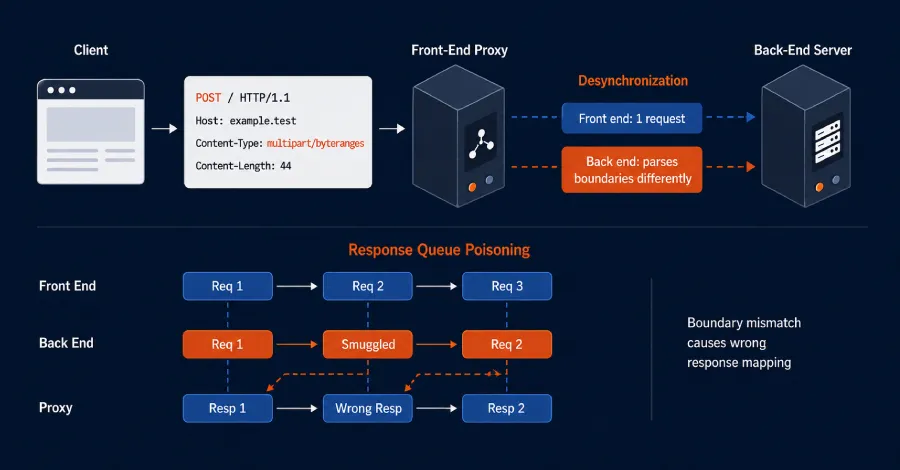
Exploring HTTP Desync Techniques and the Apache Zero-Day Threat
Recent developments in web security have unveiled alarming HTTP desynchronization techniques and a critical Apache vulnerability. This article delves into these issues and their implications for businesses.
Related articles







Popular in Cybersecurity
- Federal Mandate for Autonomous Vehicles: A Call for Safety Compliance
- EU Mandates Google to Share Data and Open AI on Android: What It Means
- GitHub Revamps Bug Bounty Program: Implications for Developers and Security
- Australian Government Disables Thousands of Functional Broadband Routers: A Wasteful Decision
- Exploiting Redis: Understanding Zero-Day Vulnerabilities and Their Mitigation