Microsoft 365 AitM Phishing: A Rising Threat to Business Security
Phishing attacks targeting Microsoft 365's AitM feature are jeopardizing corporate accounts and financial communications. This article explores the implications and preventive strategies.

In an era where remote work and digital collaboration are more prevalent than ever, the security of corporate email systems has come under intense scrutiny. Among the most pressing threats is the rise of Account in the Middle (AitM) phishing attacks, particularly those targeting Microsoft 365. These sophisticated schemes not only jeopardize individual accounts but also pose considerable risks to broader company communications, especially in finance and payroll. As businesses increasingly rely on cloud-based tools for sensitive transactions, understanding and mitigating these threats have become paramount.
Recent reports highlight alarming instances where hackers exploit the AitM feature to hijack corporate accounts, siphoning off vital payroll and financial emails. Such breaches can lead to devastating consequences for businesses, including unauthorized access to sensitive personal data and financial losses. As we delve into this growing concern, we aim to unpack the mechanics of AitM phishing attacks, the specific vulnerabilities they exploit, and actionable strategies for mitigating these risks.
Understanding AitM Phishing Attacks
Account in the Middle phishing, commonly referred to as AitM, represents a more advanced method of phishing. Unlike traditional phishing attacks, which typically involve fraudulent emails designed to trick users into revealing their credentials, AitM attacks leverage compromised accounts to conduct their malicious activities. This method enables attackers to intercept and manipulate communications between users and legitimate platforms without raising immediate suspicion.
The Mechanics of AitM Attacks
At the heart of AitM phishing is the exploitation of the authentication process. Attackers often initiate their assault by sending targeted phishing emails to employees within an organization, tricking them into entering their Microsoft 365 credentials on a counterfeit login page. Once the attackers gain access to these credentials, they can use them to log into the victim’s account and establish a foothold within the organization.
From this compromised account, hackers can access sensitive emails, including payroll details and financial transactions. The attackers can then use this information to execute business email compromise (BEC) schemes or launch further attacks, creating a vicious cycle of breaches and escalated threats.

The Impact on Businesses
The ramifications of AitM phishing attacks can be severe, often resulting in financial and reputational damage. When attackers gain access to payroll and finance emails, they can manipulate transactions, divert payments, and even steal sensitive employee information. Companies may face significant financial losses, with estimates suggesting that BEC schemes can cost businesses an average of $1.3 million per incident.
Real-World Examples
Several real-life cases illustrate the devastating effects of AitM phishing. In one notable incident, an employee of a mid-sized company fell victim to a meticulously crafted phishing email, unwittingly providing their credentials. The attackers used this access to alter payroll information, redirecting funds to accounts controlled by the hackers. The company not only lost substantial amounts of money but also faced backlash from employees concerned about the security of their personal data.
Another example involved a large corporation where attackers infiltrated the finance department through a compromised employee account. They intercepted sensitive communications and manipulated payment schedules, leading to delayed transactions and strained vendor relationships. These cases underline the importance of vigilance and proactive security measures.

Identifying and Mitigating Risks
To combat the threat of AitM phishing attacks, businesses must adopt a multi-layered security approach. Here are several key strategies to mitigate risk:
- Implement Multi-Factor Authentication (MFA): By requiring a second form of verification beyond just passwords, MFA adds an essential layer of security against unauthorized access.
- Conduct Regular Security Training: Regular training sessions can help employees recognize phishing attempts and understand the importance of safeguarding their credentials.
- Monitor Account Activity: Organizations should routinely audit account activities for any suspicious behavior, such as unrecognized login attempts or changes to sensitive information.
- Utilize Advanced Threat Protection Tools: Leveraging AI-driven security solutions can help detect and block phishing attempts before they reach employees.
- Establish Incident Response Plans: Having a clear action plan in the event of a security breach ensures organizations can respond swiftly to mitigate damage.

Key Takeaways
- AitM phishing attacks are sophisticated schemes targeting Microsoft 365 accounts, posing severe risks to businesses.
- Real-world incidents show that these attacks can lead to significant financial losses and reputational damage.
- Implementing multi-factor authentication and regular security training are critical in mitigating these risks.
- Monitoring account activity and utilizing advanced threat protection tools can help detect potential breaches early.
- Establishing clear incident response plans is essential for swift action in case of a security breach.
Frequently Asked Questions
What is an AitM phishing attack?
An Account in the Middle (AitM) phishing attack is a sophisticated form of phishing where attackers gain unauthorized access to a legitimate account and use it to intercept communications or manipulate transactions. This method is particularly dangerous as it often goes unnoticed until significant damage has already occurred.
How can businesses protect against AitM attacks?
Businesses can protect against AitM attacks by implementing multi-factor authentication, conducting regular security awareness training for employees, monitoring account activities for unusual behavior, and utilizing advanced threat protection tools to detect and prevent phishing attempts.
What are the potential consequences of an AitM attack?
The consequences of an AitM attack can be severe, leading to direct financial losses, unauthorized access to sensitive data, potential legal implications, and damage to the company’s reputation. Organizations may also face regulatory penalties if they fail to protect customer data adequately.
How prevalent are AitM phishing attacks?
AitM phishing attacks are on the rise, particularly as more businesses migrate to cloud-based platforms like Microsoft 365. As cybercriminals become increasingly sophisticated, the threat landscape continues to evolve, making it essential for organizations to stay informed and proactive in their security measures.
Comments
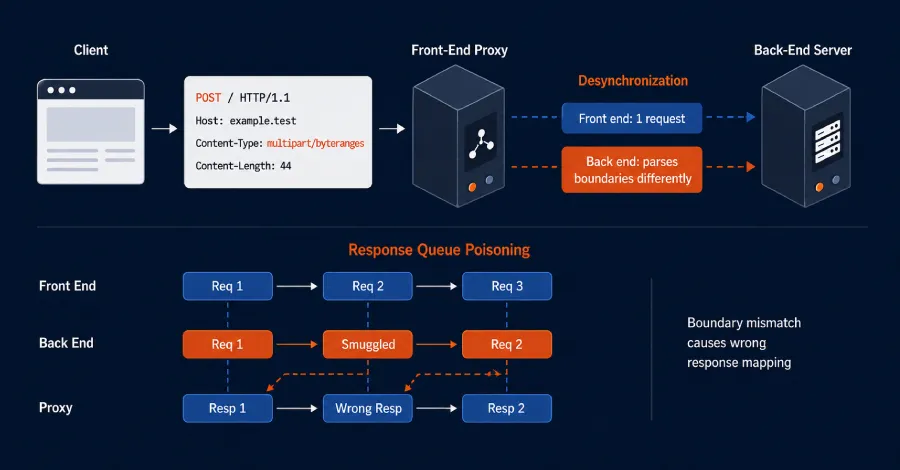
Exploring HTTP Desync Techniques and the Apache Zero-Day Threat
Recent developments in web security have unveiled alarming HTTP desynchronization techniques and a critical Apache vulnerability. This article delves into these issues and their implications for businesses.
Related articles





Popular in Cybersecurity
- Federal Mandate for Autonomous Vehicles: A Call for Safety Compliance
- EU Mandates Google to Share Data and Open AI on Android: What It Means
- GitHub Revamps Bug Bounty Program: Implications for Developers and Security
- Australian Government Disables Thousands of Functional Broadband Routers: A Wasteful Decision
- Exploiting Redis: Understanding Zero-Day Vulnerabilities and Their Mitigation