New Interrupt Injection Attack Bypasses Spectre v2 Defenses
A recent discovery reveals a new attack vector that can circumvent existing protections against Spectre v2 vulnerabilities in Intel and AMD CPUs. This article explores the implications for cybersecurity and the measures needed to protect systems.
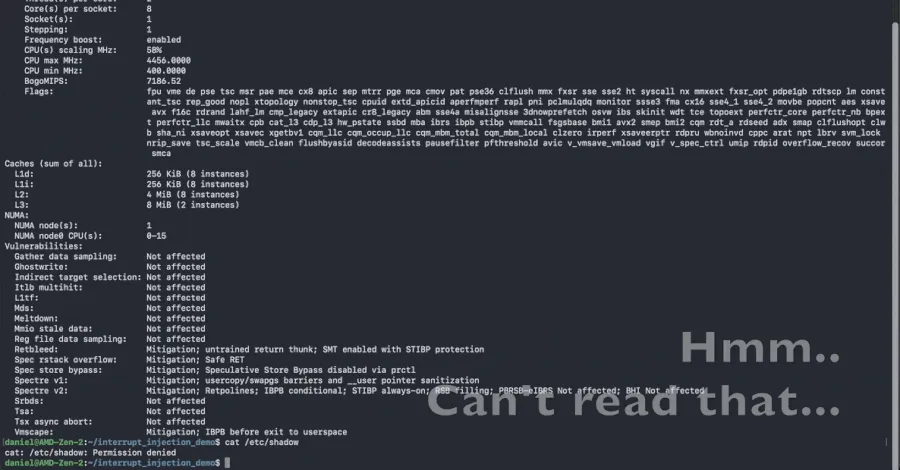
The world of cybersecurity is in constant flux, with new vulnerabilities emerging that challenge even the most robust defenses. Recently, researchers unveiled a new form of attack known as 'Interrupt Injection', which poses a significant threat by bypassing existing protections against the Spectre v2 vulnerability found in many Intel and AMD processors. This revelation not only raises concerns about the security of our computing infrastructure but also underscores the ongoing cat-and-mouse game between attackers and defenders in the cybersecurity arena.
As organizations continue to adopt cloud services and rely on complex computing environments, understanding the implications of such vulnerabilities becomes critical. With both Intel and AMD processors widely used across various sectors, the potential for widespread exploitation of this new attack vector is alarming. This article delves into the technical aspects of the Interrupt Injection attack, its implications for businesses, and the necessary measures to safeguard against it.
Understanding Spectre v2 and Its Legacy
To appreciate the significance of the Interrupt Injection attack, it’s essential to revisit the Spectre v2 vulnerability that first made headlines in early 2018. Spectre is a type of side-channel attack that exploits the speculative execution feature of modern processors, allowing attackers to read sensitive data from memory. While major tech companies have released mitigation strategies since the discovery of Spectre, including patches and microcode updates, the emergence of new attack methods like Interrupt Injection highlights the need for continuous vigilance.
Specifically, Spectre v2 allows an attacker to manipulate the execution of code in a way that can reveal private information. The original defense mechanisms implemented by Intel and AMD aimed to create barriers against such exploitation, but as cybersecurity researchers have demonstrated, determined attackers can often find ways around these defenses.

What Is the Interrupt Injection Attack?
The Interrupt Injection attack leverages a unique mechanism within the processor's interrupt handling system. By injecting interrupts at strategic moments, an attacker can disrupt the normal flow of execution in the CPU, leading to the potential execution of malicious code without detection. This attack can effectively create a new vector for privilege escalation, allowing an attacker to gain access to sensitive areas of a system.
This type of attack is particularly concerning for several reasons:
- Bypassing Existing Protections: The Interrupt Injection attack can circumvent traditional Spectre v2 mitigations, rendering them ineffective.
- Cross-Domain Privilege Escalation: Attackers can exploit this vulnerability to gain higher privileges within a system, potentially accessing sensitive data and resources.
- Widespread Impact: Since both Intel and AMD processors are prevalent in enterprise environments, the potential for widespread vulnerability is significant.
In practical terms, this means that organizations using affected CPUs must reassess their security postures and consider additional layers of defense.

Implications for Businesses and Organizations
The implications of the Interrupt Injection attack extend far beyond theoretical vulnerabilities; they present real risks to businesses across various sectors. Organizations that rely on cloud computing, virtualization, and multi-tenant environments are particularly at risk. For instance, if an attacker gains access to one virtual machine (VM), they could potentially use the Interrupt Injection method to access other VMs on the same physical host, leading to a cascade of breaches.
Furthermore, the financial repercussions of such breaches can be substantial. According to recent studies, the average cost of a data breach in the US is around $4.24 million, a figure that encompasses not only direct costs but also reputational damage and regulatory fines. As such, the stakes are high for organizations that fail to adequately protect their systems.

Mitigation Strategies for Interrupt Injection Attacks
Given the severity of the threat posed by Interrupt Injection attacks, organizations must take proactive steps to bolster their cybersecurity defenses. Here are several mitigation strategies that should be considered:
- Regular Software Updates: Ensure that all operating systems and applications are kept up-to-date with the latest security patches.
- Enhanced Monitoring: Implement robust monitoring solutions to detect unusual behavior that may indicate an attack.
- Layered Security Approaches: Utilize multiple layers of security, including firewalls, intrusion detection systems, and endpoint protection.
- Employee Training: Educate employees about security best practices to reduce the risk of social engineering attacks that could facilitate exploitation.
In particular, organizations should work closely with their hardware vendors to understand the specific risks associated with their hardware and the available mitigations.
Key Takeaways
- The new Interrupt Injection attack can bypass existing Spectre v2 defenses, posing a significant risk to Intel and AMD CPU users.
- Businesses relying on cloud and virtualized environments are particularly vulnerable to this type of attack.
- Mitigation strategies should include regular updates, enhanced monitoring, and layered security approaches.
Frequently Asked Questions
What is the Spectre v2 vulnerability?
Spectre v2 is a side-channel vulnerability that affects modern processors, allowing attackers to exploit speculative execution to read sensitive data from memory. Since its discovery, various mitigations have been introduced, but new attack methods continue to emerge, highlighting the need for ongoing vigilance in cybersecurity practices.
How can businesses protect against Interrupt Injection attacks?
To protect against Interrupt Injection attacks, businesses should implement a combination of software updates, enhanced monitoring, and layered security approaches. Regularly updating systems to apply security patches is crucial, as is monitoring for unusual activity that could indicate a breach. Additionally, employee training on security awareness can help prevent social engineering attacks that facilitate exploitation.
Are both Intel and AMD processors affected by this new attack method?
Yes, both Intel and AMD processors are susceptible to the Interrupt Injection attack due to their reliance on similar interrupt handling mechanisms. This widespread impact means that organizations using either type of CPU must reassess their security measures and implement additional protections to mitigate risk.
Comments
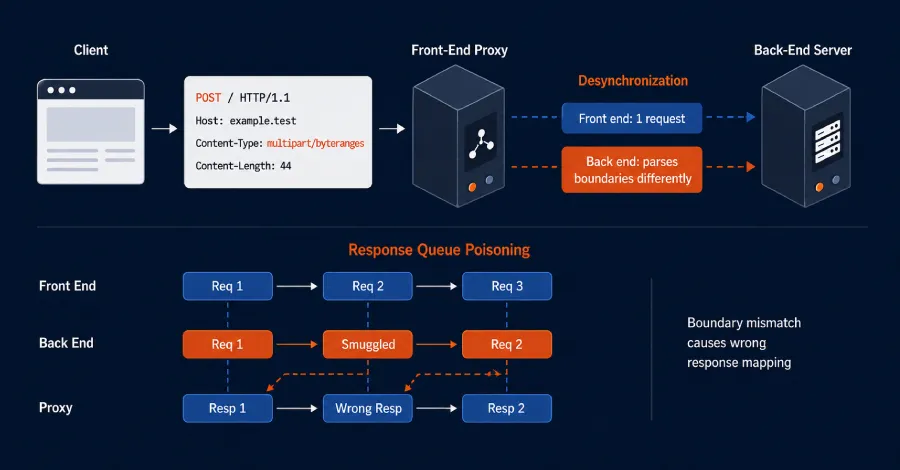
Exploring HTTP Desync Techniques and the Apache Zero-Day Threat
Recent developments in web security have unveiled alarming HTTP desynchronization techniques and a critical Apache vulnerability. This article delves into these issues and their implications for businesses.
Related articles






Popular in Cybersecurity
- Federal Mandate for Autonomous Vehicles: A Call for Safety Compliance
- EU Mandates Google to Share Data and Open AI on Android: What It Means
- GitHub Revamps Bug Bounty Program: Implications for Developers and Security
- Australian Government Disables Thousands of Functional Broadband Routers: A Wasteful Decision
- Exploiting Redis: Understanding Zero-Day Vulnerabilities and Their Mitigation