Cisco's Latest Security Updates: Addressing Critical Vulnerabilities in SD-WAN and IOS XE
Cisco has released critical patches for 12 vulnerabilities in its SD-WAN and IOS XE software, including three severe flaws rated 9.8 on the CVSS scale. These updates are essential for maintaining network security and preventing potential breaches.

Cisco Systems, a leader in networking technology, has recently taken significant steps to bolster the security of its SD-WAN and IOS XE platforms. The company announced patches addressing 12 vulnerabilities, three of which have been assigned a staggering 9.8 rating on the Common Vulnerability Scoring System (CVSS). This rating indicates a critical level of severity, suggesting that these flaws pose substantial risks to users if left unaddressed. As organizations increasingly rely on software-defined networking for agility and efficiency, understanding these vulnerabilities and their implications is paramount.
Understanding the Vulnerabilities
The vulnerabilities identified in Cisco's software can have far-reaching consequences. The three critical flaws, rated 9.8, fall under categories that allow for remote code execution, privilege escalation, and potential denial of service. These issues can be exploited by threat actors to gain unauthorized access to sensitive systems, escalate their privileges, or disrupt services entirely.
Cisco SD-WAN and IOS XE: An Overview
Cisco's SD-WAN solution is designed to simplify wide area network management, offering capabilities such as centralized control, enhanced security, and improved application performance. Meanwhile, IOS XE is a versatile operating system used across various Cisco devices, providing essential features for routing and switching in enterprise networks. Given their critical roles in network infrastructure, vulnerabilities in these systems can jeopardize the entire organization.

The Impact of High-Profile Vulnerabilities
When discussing vulnerabilities, especially those rated 9.8 on the CVSS, it is crucial to highlight the potential impact on businesses. A successful exploitation can lead to:
- Data Breaches: Unauthorized access can result in the theft of sensitive data, including proprietary information and customer records.
- Financial Loss: Organizations may incur significant costs related to incident response, legal fees, and regulatory fines.
- Reputation Damage: A data breach can erode customer trust and damage an organization's reputation, impacting long-term business relationships.
Organizations must understand that the longer these vulnerabilities remain unpatched, the greater the risk they face. This risk extends beyond immediate financial implications, affecting overall operational resilience and strategic objectives.

Action Steps for Cisco Users
In light of these vulnerabilities, Cisco users are urged to take immediate action to secure their networks. Here are recommended steps to mitigate risks:
- Patch Immediately: Install the latest updates provided by Cisco to close off the vulnerabilities.
- Conduct Vulnerability Assessments: Regularly assess your network for vulnerabilities, especially after applying patches or making significant changes.
- Implement Network Segmentation: Isolate critical systems to reduce the potential impact of a breach.
- Educate Staff: Ensure that employees understand the importance of cybersecurity and are trained to recognize potential threats.
By taking proactive measures, organizations can significantly reduce their exposure to these critical vulnerabilities.

Legal and Regulatory Implications
Beyond the immediate technical concerns, organizations must also consider the legal and regulatory implications of failing to address these vulnerabilities. In recent years, regulations such as the General Data Protection Regulation (GDPR) and the California Consumer Privacy Act (CCPA) have heightened scrutiny on data protection practices. Organizations that neglect to patch vulnerabilities risk not only financial penalties but also legal action from affected parties.
Moreover, regulatory bodies are increasingly focused on the security posture of organizations, leading to potential audits and investigations following a breach. This underscores the importance of maintaining a robust cybersecurity strategy that includes timely updates and patches.
Key Takeaways
- Cisco has patched 12 vulnerabilities in SD-WAN and IOS XE, with three rated 9.8 on the CVSS scale.
- Organizations must act quickly to mitigate risks associated with these critical flaws.
- Failure to patch could lead to severe financial, legal, and reputational consequences.
- Implementing a robust cybersecurity strategy is essential for protecting sensitive data.
Frequently Asked Questions
What does a CVSS score of 9.8 mean?
A CVSS score of 9.8 indicates a critical vulnerability that poses a significant risk to systems and data. It suggests that the vulnerability can be easily exploited, potentially leading to severe consequences such as data breaches or service disruptions.
How can organizations stay updated on security patches?
Organizations can stay informed about security patches by subscribing to vendor newsletters, enabling alerts for software updates, and participating in cybersecurity forums. Regularly checking the Cisco Security Advisories page is also advisable for the latest information on vulnerabilities and patches.
What are the consequences of ignoring these vulnerabilities?
Ignoring these vulnerabilities can lead to severe repercussions, including unauthorized access to sensitive information, financial losses from data breaches, legal liabilities, and damage to an organization's reputation. It is essential for organizations to prioritize patch management to mitigate these risks.
Comments
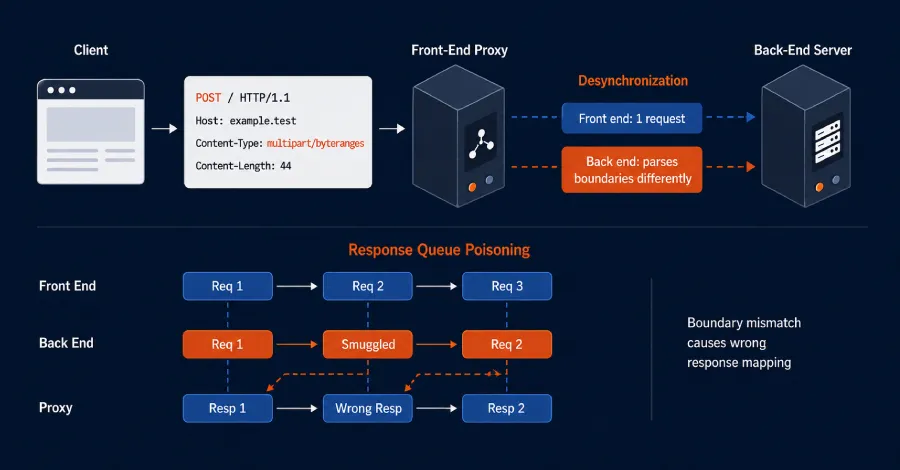
Exploring HTTP Desync Techniques and the Apache Zero-Day Threat
Recent developments in web security have unveiled alarming HTTP desynchronization techniques and a critical Apache vulnerability. This article delves into these issues and their implications for businesses.
Related articles






Popular in Cybersecurity
- Federal Mandate for Autonomous Vehicles: A Call for Safety Compliance
- EU Mandates Google to Share Data and Open AI on Android: What It Means
- GitHub Revamps Bug Bounty Program: Implications for Developers and Security
- Australian Government Disables Thousands of Functional Broadband Routers: A Wasteful Decision
- Exploiting Redis: Understanding Zero-Day Vulnerabilities and Their Mitigation