New Zapscape KVM Vulnerability: Implications for Cloud Security
The recent discovery of a KVM flaw in Zapscape raises serious concerns about the security of cloud infrastructures. This article delves into the technical details, potential impacts, and necessary precautions for businesses.
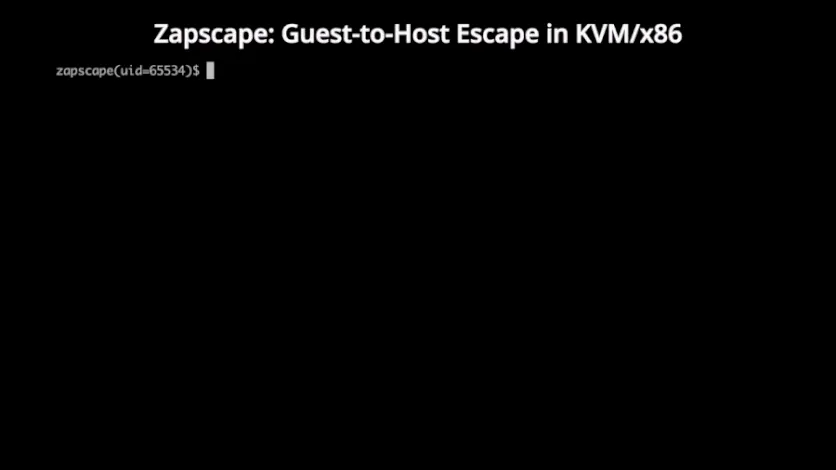
The cloud has revolutionized the way businesses operate, offering unparalleled flexibility and scalability. However, with this transformation comes the pressing need to ensure security in an ever-evolving threat landscape. Recently, researchers uncovered a critical vulnerability within Zapscape's Kernel-based Virtual Machine (KVM) technology, which could potentially allow privileged Level 1 (L1) guest code to escape and access Linux hosts. This discovery raises significant alarm bells for organizations leveraging cloud infrastructure that relies on virtualization technologies.
The Zapscape flaw is not just a technical issue; it represents a serious security risk that could unlock pathways for attackers to compromise sensitive systems. Understanding the intricacies of this vulnerability, its implications, and how businesses can protect themselves is essential for maintaining robust cybersecurity in a cloud-first world.
Understanding the Zapscape KVM Vulnerability
At the heart of the Zapscape vulnerability lies the KVM architecture, which is widely used in cloud computing. KVM allows multiple virtual machines to run on a single physical server, providing efficient resource utilization. However, this architecture also introduces complexities that can be exploited by malicious actors.
The Mechanics of the Flaw
This specific vulnerability could permit an attacker to execute code at the Level 1 guest level, which traditionally should not have access to the host system. By exploiting this flaw, an attacker could potentially gain unauthorized access to sensitive data, disrupt services, or even pivot to other systems within the cloud infrastructure.
The Potential Impact on Businesses
The ramifications of the Zapscape KVM flaw extend far beyond technical circles; they pose a real threat to business operations. Here are some potential impacts:
- Data Breach Risks: Sensitive customer and operational data could be compromised.
- Service Disruption: Attackers could disrupt critical services, leading to downtime.
- Regulatory Consequences: Non-compliance with data protection regulations could result in hefty fines.
- Reputation Damage: Breaches can erode customer trust and brand reputation.
Mitigation Strategies for Organizations
In light of this vulnerability, organizations must adopt a proactive approach to cybersecurity. Here are key strategies that can help mitigate risks associated with the Zapscape KVM flaw:
Regular Updates and Patching
Ensuring that all software, particularly virtualization technologies, is up-to-date is crucial. Timely patching can close security gaps before they are exploited by attackers.
Network Segmentation
Implementing network segmentation can limit the potential damage of a breach by isolating sensitive data and systems from less secure parts of the network.
Comprehensive Monitoring
Adopting advanced monitoring tools can help organizations detect unusual activity that may indicate a breach, allowing for rapid response.
Employee Training
An educated workforce is a critical line of defense. Regular training on cybersecurity best practices can empower employees to recognize and respond to potential threats.
Legal and Regulatory Considerations
With the rise of cyber threats, businesses must also navigate a complex landscape of legal and regulatory obligations. The implications of a data breach stemming from the Zapscape KVM flaw could lead to significant legal challenges.
Understanding Your Obligations
Organizations should be aware of applicable data protection laws in their jurisdictions, such as the General Data Protection Regulation (GDPR) in Europe or the California Consumer Privacy Act (CCPA) in the United States. Non-compliance can lead to severe penalties, making it essential for organizations to understand their responsibilities and implement necessary safeguards.
Incident Response Plans
Having a robust incident response plan is vital. This plan should outline steps to take in the event of a breach, including notification procedures for affected customers and regulatory bodies.

Conclusion: The Path Forward
The Zapscape KVM vulnerability underscores the importance of vigilance in cybersecurity, particularly in cloud environments. As businesses continue to embrace cloud technologies, they must remain proactive in identifying and addressing potential vulnerabilities. By implementing robust security measures, staying informed about emerging threats, and fostering a culture of security within the organization, businesses can better protect themselves from the risks associated with vulnerabilities like the one found in Zapscape.
Key Takeaways
- The Zapscape KVM vulnerability could allow privileged code to escape to Linux hosts.
- Potential impacts include data breaches, service disruptions, and regulatory fines.
- Mitigation strategies like regular updates, network segmentation, and employee training are essential.
- Understanding legal obligations and having an incident response plan are critical for compliance.
Frequently Asked Questions
What is a KVM vulnerability?
A KVM vulnerability refers to a security flaw within the Kernel-based Virtual Machine technology that could allow unauthorized access or control over virtual machines or the host system. This can lead to severe security risks, including data breaches and service disruptions.
How can businesses protect themselves from vulnerabilities like Zapscape?
Businesses can protect themselves by implementing a multi-layered security approach that includes regular software updates, network segmentation, comprehensive monitoring, and employee training on cybersecurity best practices.
What are the legal implications of a data breach?
Legal implications of a data breach can include regulatory fines, lawsuits, and damage to reputation. Organizations must ensure compliance with relevant data protection laws and have an incident response plan in place to mitigate legal risks.
Comments
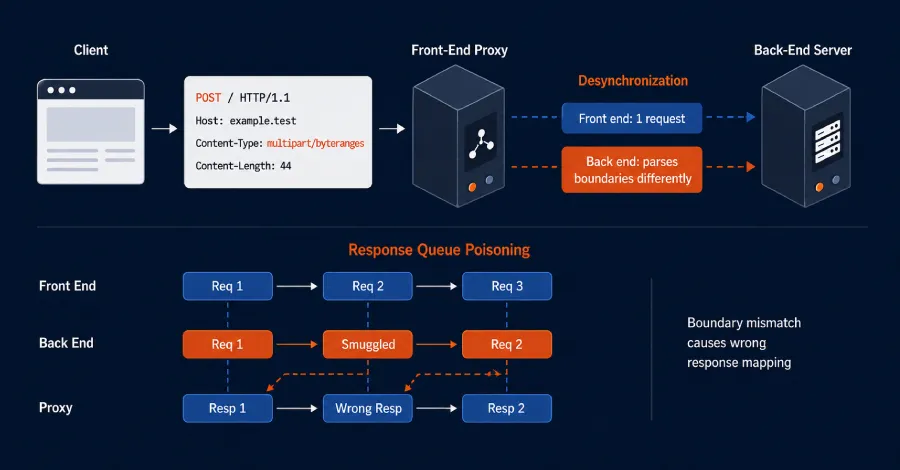
Exploring HTTP Desync Techniques and the Apache Zero-Day Threat
Recent developments in web security have unveiled alarming HTTP desynchronization techniques and a critical Apache vulnerability. This article delves into these issues and their implications for businesses.
Related articles






Popular in Cybersecurity
- Federal Mandate for Autonomous Vehicles: A Call for Safety Compliance
- EU Mandates Google to Share Data and Open AI on Android: What It Means
- GitHub Revamps Bug Bounty Program: Implications for Developers and Security
- Australian Government Disables Thousands of Functional Broadband Routers: A Wasteful Decision
- Exploiting Redis: Understanding Zero-Day Vulnerabilities and Their Mitigation