The FCC's Controversial Move to Eliminate TV Ownership Caps
The FCC's recent decision to eliminate the national TV ownership cap has sparked debate over media consolidation and local news coverage. This article explores the implications of this ruling.
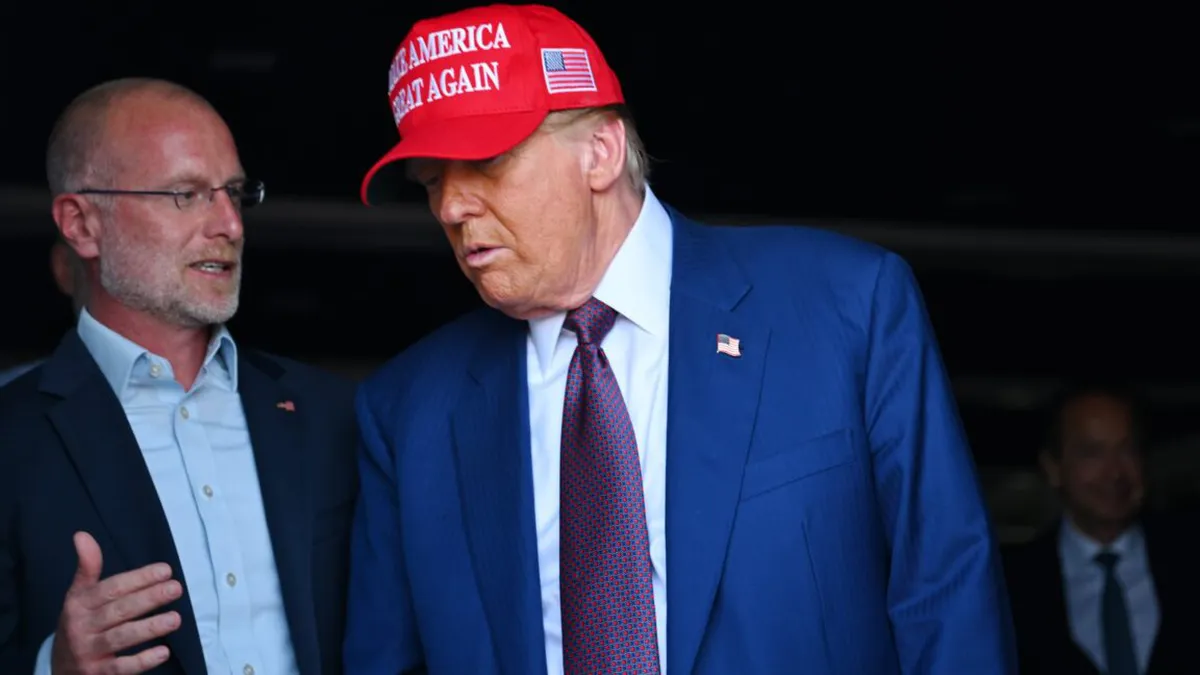
The Federal Communications Commission (FCC) has voted to eliminate the National Television Ownership Rule, a significant regulatory shift that could reshape the landscape of television broadcasting in the United States. This decision, made under the leadership of Chairman Brendan Carr, allows owners to reach beyond the previously established cap of 39 percent of U.S. households. While this move is framed as a necessary step to bolster local broadcasters against the rising tide of streaming services, it raises serious concerns about media consolidation, diversity of voices in news coverage, and the potential for increased influence from politically aligned media moguls.
In a 2–1 vote, the FCC claims that it has the authority to repeal a limit set by Congress over two decades ago. The rationale presented is that a case-by-case review of media mergers will empower the FCC to approve beneficial deals while rejecting those that do not serve the public interest. Critics, however, argue that this change could lead to a concentration of media ownership that undermines local journalism and erodes the quality of news coverage. With the potential for 'Trump-aligned billionaires' to buy up more stations, the implications of this decision are far-reaching and contentious.

Understanding the National Television Ownership Rule
Established in 2004, the National Television Ownership Rule was designed to prevent any single broadcast station owner from reaching more than 39 percent of all TV households in the U.S. This cap was a response to growing concerns about media monopolies and the impact of consolidation on local news reporting. By limiting ownership, the rule aimed to ensure a diversity of voices and viewpoints in the media landscape.
The rule was a legislative response to a previous FCC decision in 2003 to raise the ownership limit from 35 to 45 percent. Congress intervened, establishing the 39 percent cap to protect local broadcasters and maintain a competitive media environment. The change aimed to prevent a scenario where a few large corporations dominated the airwaves, effectively reducing the diversity of news coverage and local perspectives.

The Rationale Behind the FCC's Decision
Chairman Brendan Carr has justified the repeal by arguing that local broadcast stations are becoming mere conduits for national programming, losing their connection to the communities they serve. Carr contends that by eliminating the ownership cap, the FCC is paving the way for broadcasters to scale up, attract necessary capital, and invest in local news. He asserts that the move is essential for local stations to compete against streaming platforms that face no such limits.
According to Carr’s office, the shift to a case-by-case review will empower the FCC to evaluate mergers based on their potential to serve the public interest. This approach is being marketed as a means to ensure that local broadcasting remains relevant in an evolving media landscape dominated by digital giants.
Concerns About Media Consolidation
Despite the purported benefits, many advocacy groups and critics have raised alarms about the risks associated with lifting the ownership cap. Media advocacy organization Free Press is preparing to sue the FCC, arguing that the decision to eliminate the cap requires Congressional action, not unilateral FCC authority. They assert that the repeal will lead to a scenario where only one or two dominant broadcasters control each market, resulting in job cuts for journalists and a decline in the quality of local news content.
- Media Monopolies: The potential for media monopolies increases, leading to fewer independent voices in local reporting.
- Job Losses: Consolidation may cause significant job losses in local newsrooms.
- Quality of Content: A reduction in local journalism quality as stations prioritize profits over community-focused news.

Legal Challenges and Congressional Authority
The primary legal question surrounding the FCC's decision is whether the agency has the authority to change the ownership cap set by Congress. The 2004 legislation explicitly directed the FCC to maintain the 39 percent limit and restricted the agency from modifying it during quadrennial reviews of media rules.
Democratic FCC Commissioner Anna Gomez voted against the repeal, emphasizing that only Congress has the authority to change the cap. She pointed out that even Republican figures who were instrumental in the original legislation agree that the FCC lacks the authority to make such changes. The consensus among legal experts suggests that the FCC may face significant hurdles in defending its decision in court, particularly in light of a 2024 Supreme Court ruling that curtailed the deference agencies previously enjoyed in interpreting ambiguous laws.
The Future of Local Broadcasting
The implications of the FCC's decision extend beyond legal battles; they also raise critical questions about the future of local broadcasting in an era dominated by digital platforms. As streaming services gain popularity, traditional broadcasters face unprecedented challenges in retaining viewership and advertising revenue. The repeal of the ownership cap could exacerbate these challenges, leading to further consolidation and potentially stifling the diversity of content available to audiences.
Local broadcasters are crucial for providing community-focused news and serving the public interest. However, as larger corporations purchase more stations, the risk increases that local voices will be drowned out by national narratives. The shift could lead to a homogenization of content, where local news becomes indistinguishable from national programming.

Key Takeaways
- The FCC has voted to eliminate the National Television Ownership Rule, allowing broadcasters to reach beyond the 39 percent household cap.
- Critics argue this decision could lead to media monopolies and a decline in the quality of local journalism.
- Legal challenges are expected, with advocacy groups asserting that only Congress can change the ownership cap.
- The future of local broadcasting faces uncertainty as consolidation may dilute community-focused news coverage.
Frequently Asked Questions
What is the National Television Ownership Rule?
The National Television Ownership Rule, established in 2004, limits any single broadcast station owner from reaching more than 39 percent of U.S. households. This rule was intended to promote diversity in media ownership and prevent monopolistic practices that could stifle local news coverage.
Why did the FCC decide to eliminate the ownership cap?
The FCC, under Chairman Brendan Carr, argues that eliminating the ownership cap will allow local broadcasters to compete more effectively against streaming services. They claim that a case-by-case review of mergers will empower the agency to approve beneficial deals while rejecting those that do not serve the public interest.
What are the potential consequences of this decision?
Potential consequences include increased consolidation of media ownership, job losses in local newsrooms, and a decline in the quality of local journalism. Critics warn that this could lead to a homogenization of news content, diminishing the diversity of voices and perspectives in local media.
What legal challenges might the FCC face regarding this decision?
The FCC is likely to face legal challenges from advocacy groups arguing that the agency lacks the authority to change the ownership cap set by Congress. The outcome of these challenges could have significant implications for the future of media regulation and the role of the FCC in overseeing broadcasting.
Comments
Exploring HTTP Desync Techniques and the Apache Zero-Day Threat
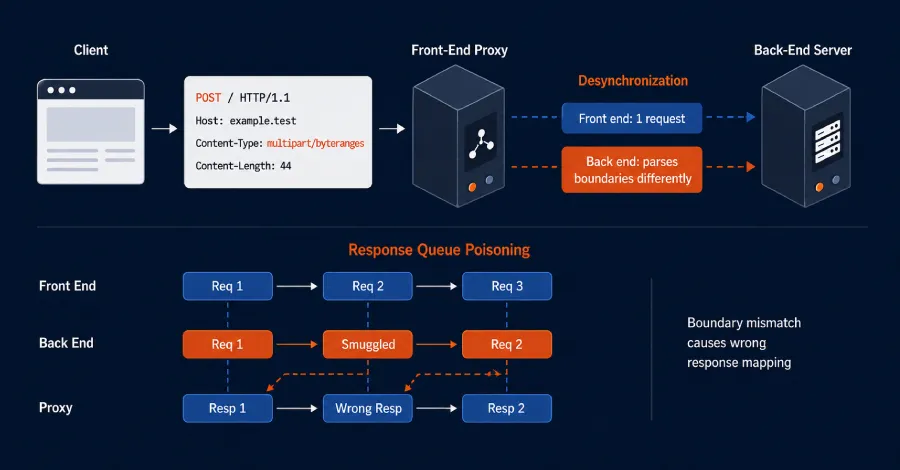
Recent developments in web security have unveiled alarming HTTP desynchronization techniques and a critical Apache vulnerability. This article delves into these issues and their implications for businesses.
Related articles





Popular in Cybersecurity
- Federal Mandate for Autonomous Vehicles: A Call for Safety Compliance
- EU Mandates Google to Share Data and Open AI on Android: What It Means
- GitHub Revamps Bug Bounty Program: Implications for Developers and Security
- Australian Government Disables Thousands of Functional Broadband Routers: A Wasteful Decision
- Exploiting Redis: Understanding Zero-Day Vulnerabilities and Their Mitigation