Harnessing AI in Cybersecurity: Protecting Active Directory Against New Threats
The rise of AI-generated scripts in cyberattacks presents new challenges for organizations. This article explores how to secure Active Directory and safeguard against these emerging threats.
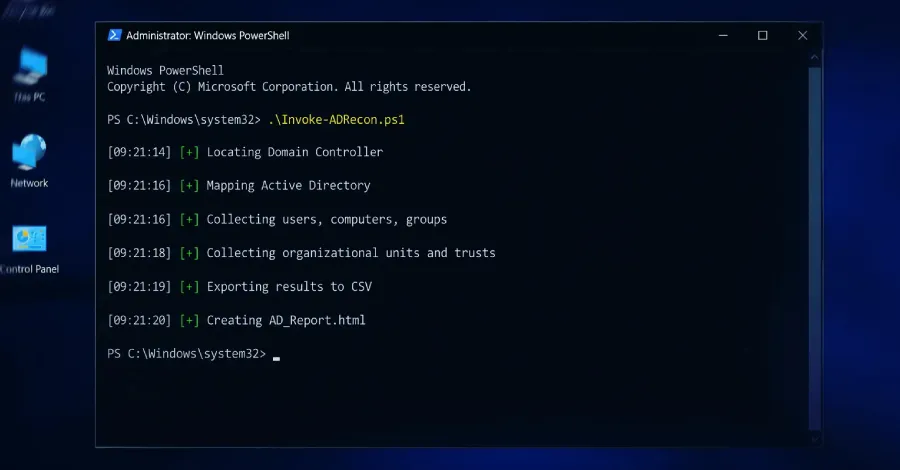
The integration of artificial intelligence (AI) into cybercrime has opened a new frontier in the ongoing battle between cybersecurity professionals and malicious actors. One alarming trend is the use of AI-generated scripts to exploit vulnerabilities in systems like Active Directory (AD), a cornerstone of identity management in many organizations. These scripts can automate tasks that traditionally required human intervention, allowing attackers to map out organizational networks with unprecedented speed and efficiency.
As AI continues to evolve, so too do the tactics employed by cybercriminals. The recent discovery of an AI-generated PowerShell script used to probe Active Directory highlights the urgent need for organizations to fortify their cybersecurity defenses. In this article, we will explore the implications of AI in cybersecurity, the specific threats posed to Active Directory, and actionable steps organizations can take to secure their systems against these advanced threats.
The Rise of AI in Cybercrime
Artificial intelligence has quickly transitioned from a futuristic concept to a practical tool in various domains, including cybersecurity. While AI can enhance defensive mechanisms, it can also be weaponized by attackers. AI-generated scripts can analyze vast amounts of data and identify weaknesses in systems faster than traditional methods.
For instance, the recent use of a PowerShell script, suspected to be generated by AI, demonstrates how attackers can automate the mapping of Active Directory. This technique allows them to identify user accounts, group memberships, and access permissions, providing them with a comprehensive view of the organizational structure and potential targets.

Active Directory: A Critical Target
Active Directory is a vital component of many IT infrastructures, especially in enterprise environments. It serves as a central repository for user identities, authentication, and authorization. When compromised, attackers can gain unauthorized access to sensitive data and systems, making AD a prime target for cyber threats.
Why Attackers Target Active Directory
- Centralized Control: AD manages permissions and access for all users, making it a critical point of control.
- Privilege Escalation: By mapping out AD, attackers can find accounts with elevated privileges, giving them broader access.
- Data Exfiltration: Once inside, attackers can steal sensitive information without detection.
Given these factors, organizations must prioritize the protection of their Active Directory environments. Understanding the nature of the threats and the methods employed by attackers is crucial in building effective defenses.

Five Steps to Secure Active Directory
To safeguard Active Directory against AI-generated scripts and other cyber threats, organizations must adopt a proactive approach to security. Here are five essential steps:
1. Implement Multi-Factor Authentication (MFA)
MFA adds an additional layer of security by requiring users to verify their identity through multiple means. Even if an attacker obtains a user’s password, the extra verification step can thwart unauthorized access.
2. Regularly Monitor and Audit AD
Frequent audits of Active Directory can help organizations identify unusual activities and potential breaches. Monitoring tools can track login attempts, changes to user privileges, and any unauthorized access.
3. Limit Privilege Access
Applying the principle of least privilege ensures that users have only the access necessary for their roles. Regularly reviewing and adjusting permissions can minimize the risk of privilege escalation.
4. Deploy an Endpoint Detection and Response (EDR) Solution
EDR solutions can detect suspicious activities on endpoints and respond in real-time. These tools can identify AI-generated scripts and other anomalies that traditional security measures might miss.
5. Educate Employees on Security Practices
Human error remains a significant vulnerability in cybersecurity. Regular training on recognizing phishing attempts and understanding secure practices can empower employees to be the first line of defense.

Conclusion: The Imperative of Continuous Vigilance
The integration of AI into both offensive and defensive strategies in cybersecurity is an evolving landscape that organizations must navigate carefully. As attackers become more sophisticated, the traditional security measures may no longer suffice. By understanding the threats posed by AI-generated scripts and implementing robust security protocols, organizations can significantly reduce their risk of falling victim to these emerging cyber threats.
Key Takeaways
- AI is increasingly being used to create sophisticated cyberattacks, including mapping Active Directory.
- Active Directory is a critical target for attackers due to its centralized control over user permissions.
- Implementing MFA, regular audits, and EDR solutions are essential steps to enhance security.
- Employee education on cybersecurity practices is crucial in preventing breaches.
Frequently Asked Questions
What is Active Directory and why is it important?
Active Directory (AD) is a directory service developed by Microsoft that facilitates the management of users, computers, and other resources within a network. It is crucial because it centralizes authentication and authorization processes, ensuring that only authorized users can access sensitive information and systems. A compromise of AD can lead to significant security breaches.
How can AI be used for good in cybersecurity?
AI can enhance cybersecurity defenses by automating the detection of threats, analyzing vast datasets for anomalies, and responding to incidents in real-time. Machine learning algorithms can identify patterns in user behavior that signal potential security breaches, allowing organizations to act swiftly to mitigate risks.
What are the risks of not securing Active Directory?
Failing to secure Active Directory can lead to unauthorized access, data breaches, and potential financial losses. Attackers can leverage compromised AD to escalate privileges, exfiltrate sensitive data, and disrupt business operations, leading to legal repercussions and reputational damage.
How often should organizations conduct audits of their Active Directory?
Organizations should conduct audits of Active Directory at least quarterly, though more frequent audits may be necessary for high-risk environments. Regular audits help identify vulnerabilities, ensure compliance with security policies, and maintain an up-to-date understanding of user access and permissions.
Comments
Leveraging AI to Enhance Cybersecurity: A Guide for Organizations
As AI becomes a pivotal force in cybersecurity, organizations must understand how to effectively implement this technology to protect against vulnerabilities. This guide explores the integration of AI with human analysts to fortify defenses.

Related articles




Popular in Cybersecurity
- Federal Mandate for Autonomous Vehicles: A Call for Safety Compliance
- EU Mandates Google to Share Data and Open AI on Android: What It Means
- GitHub Revamps Bug Bounty Program: Implications for Developers and Security
- Australian Government Disables Thousands of Functional Broadband Routers: A Wasteful Decision
- Exploiting Redis: Understanding Zero-Day Vulnerabilities and Their Mitigation