Mitigating Risks: Understanding the WhatsApp-to-Host Attack Chain
Recent discoveries reveal vulnerabilities in WhatsApp that can lead to serious cyber threats. This article explores the attack chain and provides actionable steps to safeguard your organization.

In the evolving landscape of cybersecurity, instant messaging platforms like WhatsApp are increasingly becoming targets for sophisticated cyberattacks. Recent research has unveiled a concerning attack chain that exploits vulnerabilities in the OpenClaw framework, potentially allowing attackers to gain unauthorized access to host systems through compromised WhatsApp accounts. This article delves into the details of this attack vector, the implications for organizations, and the proactive measures that can be taken to enhance cybersecurity.
As cyber threats continue to evolve, organizations must remain vigilant and proactive in their security strategies. The WhatsApp-to-host attack chain serves as a stark reminder of the vulnerabilities that can exist within software platforms, particularly those that handle large volumes of sensitive data. Understanding this attack chain and implementing robust security measures can protect organizations from significant financial and reputational damage.
Understanding the WhatsApp-to-Host Attack Chain
The WhatsApp-to-host attack chain leverages a series of vulnerabilities within the OpenClaw framework, a set of tools often used to develop applications that interface with messaging platforms. Researchers have identified three primary flaws that attackers can exploit:
- Flaw #1: Inadequate input validation that allows for injection attacks.
- Flaw #2: Unrestricted access to sensitive APIs that can expose user data.
- Flaw #3: Poor authentication mechanisms that fail to verify user identity.
These vulnerabilities create a pathway for attackers, beginning with initial access through a compromised WhatsApp account. Once inside, they can pivot to host systems, effectively bypassing traditional security measures.

The Implications for Businesses
For businesses, the ramifications of a successful attack can be severe. The WhatsApp-to-host attack chain not only jeopardizes sensitive information but also poses a threat to operational integrity. Consider the following implications:
- Data Breach Risks: Compromised data can lead to regulatory fines and loss of customer trust.
- Operational Disruption: Attackers can disrupt business operations, leading to downtime and lost revenue.
- Reputational Damage: Public perception can suffer, impacting future business prospects.
In a world where customer data is a valuable commodity, organizations must prioritize cybersecurity measures to mitigate these risks.
Steps to Secure Against Software Vulnerabilities
To safeguard against the vulnerabilities highlighted in the WhatsApp-to-host attack chain, organizations should adopt a multi-layered cybersecurity approach that includes the following steps:
1. Regular Software Updates
Keeping software up to date is critical in addressing known vulnerabilities. Organizations should implement a patch management strategy that ensures all applications, including messaging platforms like WhatsApp, are regularly updated to the latest versions.
2. Enhanced Input Validation
Implementing strict input validation protocols can help prevent injection attacks. This includes filtering and sanitizing user inputs to ensure that malicious data cannot be processed by the application.
3. API Security Measures
Restricting access to sensitive APIs and implementing robust authentication mechanisms are essential to protect user data. Organizations should adopt OAuth or similar frameworks to ensure that only authorized users can access critical systems.
4. Employee Training
Human error remains a significant factor in cybersecurity breaches. Regular training sessions can educate employees about the latest threats and best practices for recognizing phishing attempts and securing sensitive information.
5. Incident Response Plan
Having a well-defined incident response plan is crucial for minimizing damage in the event of a breach. Organizations should establish protocols for identifying, responding to, and recovering from cyber incidents swiftly.

The Role of AI in Cybersecurity
Artificial Intelligence (AI) has become a transformative force in the cybersecurity landscape. Advanced AI models can analyze vast amounts of data to identify patterns and anomalies, making it easier to detect potential threats before they materialize.
Organizations are increasingly leveraging AI to enhance their cybersecurity posture. For example, AI-driven tools can automate threat detection, streamline incident response, and improve overall system resilience. However, as AI becomes more prevalent, cybercriminals are also adapting their techniques, necessitating a continuous evolution of security measures.

Key Takeaways
- The WhatsApp-to-host attack chain highlights critical vulnerabilities in messaging platforms.
- Businesses face significant risks if they do not address these vulnerabilities, including data breaches and operational disruptions.
- Implementing a multi-layered security strategy is essential for protecting sensitive information.
- AI technology is becoming increasingly important in identifying and mitigating cyber threats.
Frequently Asked Questions
What should organizations do if they suspect a breach?
If an organization suspects a breach, it is crucial to act swiftly. Immediate steps should include isolating affected systems, conducting a thorough investigation, and notifying relevant stakeholders. Depending on the severity, organizations may also need to report the incident to regulatory bodies to comply with applicable laws.
How can businesses effectively train employees in cybersecurity?
Effective employee training can be achieved through a combination of formal training sessions, simulated phishing attacks, and regular updates on emerging threats. Organizations should create a culture of security awareness, encouraging employees to recognize and report suspicious activities.
What are the emerging trends in AI-driven cybersecurity?
Emerging trends in AI-driven cybersecurity include the use of machine learning algorithms for predictive threat modeling, automated incident response, and enhanced user behavior analytics. These advancements are helping organizations stay ahead of cyber threats in increasingly complex environments.
Comments
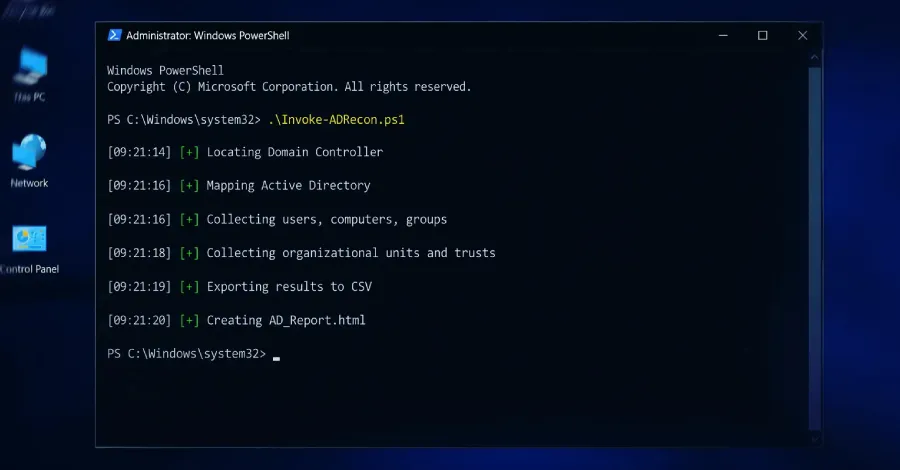
Harnessing AI in Cybersecurity: Protecting Active Directory Against New Threats
The rise of AI-generated scripts in cyberattacks presents new challenges for organizations. This article explores how to secure Active Directory and safeguard against these emerging threats.
Related articles




Popular in Cybersecurity
- Federal Mandate for Autonomous Vehicles: A Call for Safety Compliance
- EU Mandates Google to Share Data and Open AI on Android: What It Means
- GitHub Revamps Bug Bounty Program: Implications for Developers and Security
- Australian Government Disables Thousands of Functional Broadband Routers: A Wasteful Decision
- Exploiting Redis: Understanding Zero-Day Vulnerabilities and Their Mitigation