Meta's AI Patent: A New Era in Emotion Tracking and Cybersecurity
Meta's recent patent for AI technology that monitors emotional states raises privacy concerns and implications for cybersecurity. Learn how to secure against potential vulnerabilities.
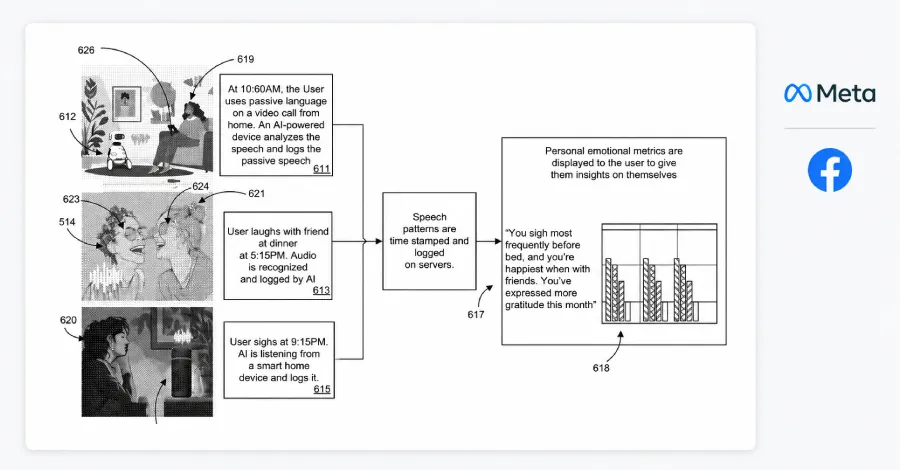
In the rapidly evolving landscape of technology, few developments raise as many eyebrows as the recent patent filing by Meta Platforms, Inc. The tech giant has proposed an artificial intelligence system capable of listening continuously throughout the day and tracking users' emotional states. This ambitious project not only promises to redefine user interaction but also sparks significant debates surrounding privacy, ethical implications, and security vulnerabilities. As businesses increasingly lean on technology to understand consumer behavior, this development presents a dual-edged sword: the potential for revolutionary insights tempered by pressing cybersecurity concerns.
At the same time, as AI technologies advance, they also introduce new challenges for cybersecurity. With AI playing an integral role in threat detection and vulnerability management, organizations must prioritize their defenses against software vulnerabilities that could be exploited by malicious actors. This article will delve into the implications of Meta's AI patent, explore the intersection of emotion tracking and cybersecurity, and outline essential steps businesses can take to safeguard their digital environments.
Meta's AI Patent: Understanding the Technology
The patent filed by Meta describes an AI system designed to monitor and analyze users' emotional states through continuous audio input. This technology could be embedded within various devices, potentially offering insights into how users feel at any moment. Imagine a smartphone or smart speaker that adapts its responses based on your current mood—changing its recommendations for music, news, or even ads based on whether you sound happy, sad, or stressed.
While such capabilities may enhance user experience, they raise pressing questions about privacy. The ethical considerations of constant monitoring are significant. With technology that can listen all day, users may unknowingly surrender their emotional data, which could be exploited for targeted marketing or even manipulative practices. Addressing these concerns is critical as society grapples with the implications of pervasive surveillance.

The Intersection of Emotion Tracking and Cybersecurity
As AI technologies like Meta's advance, they can also introduce new cybersecurity vulnerabilities. The same systems that analyze emotional states could become targets for hackers looking to exploit sensitive data. For instance, if an AI system can detect when a user is feeling vulnerable, attackers might use this information to craft more effective phishing attacks or social engineering scams.
Potential Vulnerabilities of Emotion-Tracking AI
When new AI systems are developed, they can come with inherent vulnerabilities. Here are some potential risks associated with emotion-tracking AI:
- Data Breaches: Sensitive emotional data may be at risk if proper security measures are not implemented.
- Manipulative Advertising: Companies could misuse emotional insights to manipulate consumer behavior unethically.
- Targeted Attacks: Cybercriminals might leverage emotional data to personalize attacks, increasing their chances of success.
5 Steps to Secure Against Software Vulnerabilities
With the rise of AI technologies, organizations must proactively safeguard against the vulnerabilities these systems may introduce. Here are five essential steps businesses can take:
1. Conduct Regular Security Audits
Organizations should perform frequent security assessments to identify and mitigate vulnerabilities within their systems. This includes evaluating the security of AI models and ensuring that data handling practices comply with regulations.
2. Implement Strong Access Controls
Limiting access to sensitive data is crucial. Organizations can implement role-based access controls (RBAC) to ensure only authorized personnel can access emotional data collected by AI systems.
3. Utilize Encryption
Data encryption should be a standard practice for protecting sensitive information. Encrypting data both in transit and at rest can significantly reduce the risk of unauthorized access and data breaches.
4. Train Employees on Cybersecurity Best Practices
Employee awareness is key in preventing cyber incidents. Organizations should invest in training programs to educate employees on recognizing phishing attempts and understanding the importance of data protection.
5. Stay Updated on Regulations
As new technologies emerge, so do regulations. Organizations should keep abreast of legal developments related to data privacy and security to ensure compliance and avoid potential penalties.

The Future of Emotion Tracking and Cybersecurity
The prospect of AI systems capable of tracking emotions opens up exciting possibilities for personalized technology. However, it also underscores the necessity for robust cybersecurity measures and ethical considerations. As businesses embrace these innovations, they must ensure that user privacy is protected and that they remain vigilant against emerging threats.
As Meta's patent illustrates, the convergence of emotion recognition and AI is not just a trend but a potential game-changer in how technology interacts with human behavior. For organizations looking to leverage such technologies, understanding the risks involved and implementing effective cybersecurity strategies will be essential in navigating this complex landscape.

Key Takeaways
- Meta's patent for AI technology raises significant privacy concerns.
- Emotion-tracking AI could introduce new cybersecurity vulnerabilities.
- Organizations must implement robust security measures to protect sensitive data.
- Regular security audits and employee training are critical to mitigating risks.
Frequently Asked Questions
What is the purpose of Meta's AI patent?
Meta's AI patent aims to develop technology that continuously monitors users' emotional states by analyzing audio input. This technology could enhance user experiences by personalizing interactions based on emotional feedback.
What are the potential risks associated with emotion-tracking AI?
Emotion-tracking AI presents several risks, including data breaches, manipulative advertising practices, and targeted cyberattacks. These vulnerabilities necessitate strong cybersecurity measures to protect sensitive information.
How can organizations protect against cybersecurity threats from AI technologies?
Organizations can protect against cybersecurity threats by conducting regular security audits, implementing strong access controls, utilizing encryption, training employees on best practices, and staying updated on regulations related to data privacy and security.
Comments
Harnessing AI in Cybersecurity: Protecting Active Directory Against New Threats
The rise of AI-generated scripts in cyberattacks presents new challenges for organizations. This article explores how to secure Active Directory and safeguard against these emerging threats.

Related articles






Popular in Cybersecurity
- Federal Mandate for Autonomous Vehicles: A Call for Safety Compliance
- EU Mandates Google to Share Data and Open AI on Android: What It Means
- GitHub Revamps Bug Bounty Program: Implications for Developers and Security
- Australian Government Disables Thousands of Functional Broadband Routers: A Wasteful Decision
- Exploiting Redis: Understanding Zero-Day Vulnerabilities and Their Mitigation