Mitigating Cybersecurity Risks: Critical Flaw in Zimbra Email Server
A newly discovered vulnerability in Zimbra's email system could allow attackers to execute malicious code through crafted emails. This article explores the implications, preventive measures, and best practices for enhancing cybersecurity.
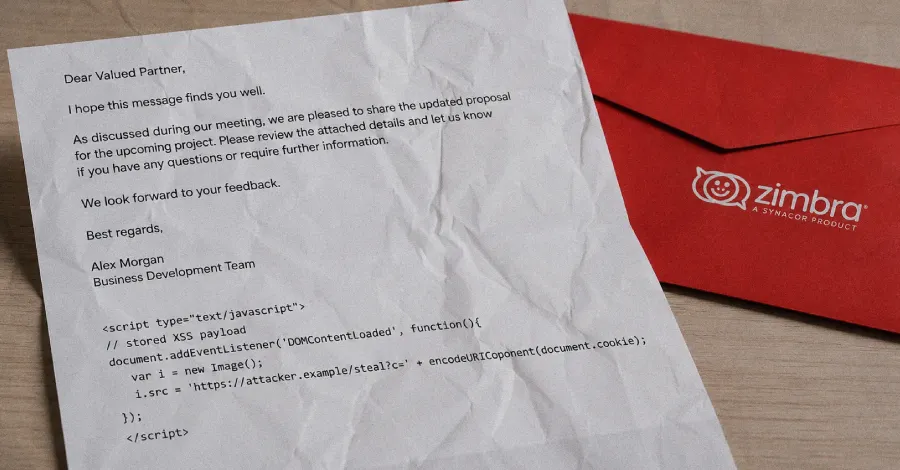
The digital landscape continues to evolve, but with innovation comes a new set of challenges. Recently, a critical vulnerability affecting Zimbra, a popular email collaboration platform, has been identified, raising alarms among cybersecurity experts and organizations that rely on this software. This flaw potentially allows attackers to execute malicious code through crafted emails, putting sensitive information at risk and compromising user sessions.
As email remains a primary vector for cyberattacks, understanding this vulnerability and implementing robust security measures is essential for businesses. In this article, we'll delve deeper into the nature of the Zimbra flaw, its implications, and effective strategies to safeguard your organization against such vulnerabilities.
Understanding the Zimbra Vulnerability
Zimbra is widely used by organizations for its email, calendar, and collaboration tools. However, the recent discovery of a critical flaw suggests that crafted emails can exploit this platform's weaknesses, leading to unauthorized code execution in user sessions. This vulnerability can stem from improper input validation, allowing attackers to send specially crafted emails that the server mishandles.
When an unsuspecting user opens a malicious email, the embedded code could execute without their knowledge, potentially leading to data breaches, unauthorized access, or even full system compromises. The severity of this vulnerability has significant implications for IT departments and security teams who must act promptly to mitigate these risks.
Potential Impacts on Businesses
The ramifications of a successful exploitation of the Zimbra flaw can be profound. Consider the following potential impacts on businesses:
- Data Breach: Compromised sensitive data, including customer information and intellectual property.
- Financial Loss: Direct costs associated with remediation efforts and regulatory fines stemming from data breaches.
- Reputation Damage: Loss of trust from customers and partners, leading to long-term effects on business relationships.
- Operational Disruption: Downtime and resource allocation to address the security incident, diverting attention from core business functions.
In light of these potential consequences, businesses must prioritize their cybersecurity strategies and proactively address vulnerabilities, such as the one found in Zimbra.

Steps to Secure Against Vulnerabilities
Implementing effective security measures is crucial to protect against vulnerabilities like the one discovered in Zimbra. Here are five essential steps organizations can take:
1. Regular Software Updates
Staying up-to-date with the latest software patches is vital. Zimbra and other software providers often release updates that address known vulnerabilities. Regularly applying these updates minimizes the risk of exploitation.
2. Educating Employees
Human error remains one of the weakest links in cybersecurity. Conducting regular training sessions for employees can help them recognize phishing attempts and understand the dangers of opening suspicious emails.
3. Implementing Email Filtering Solutions
Email filtering solutions can help identify and block malicious emails before they reach users' inboxes. These solutions can analyze email content and attachments for known threats, reducing the chances of a successful attack.
4. Enforcing Strong Authentication Practices
Utilizing multi-factor authentication (MFA) adds an additional layer of security, making it harder for attackers to gain unauthorized access even if they obtain user credentials.
5. Incident Response Planning
Having a robust incident response plan in place enables organizations to respond quickly and effectively to security breaches, minimizing damage and recovery time.

Why Artificial Intelligence Matters in Cybersecurity
The emergence of artificial intelligence (AI) in cybersecurity has transformed the landscape of threat detection and response. AI models can analyze vast amounts of data to identify patterns and anomalies that may indicate potential vulnerabilities or ongoing attacks.
AI can play a crucial role in enhancing the security of email systems like Zimbra by:
- Predictive Analysis: AI can forecast potential threats based on historical data and current trends, allowing companies to stay ahead of attackers.
- Automated Responses: Machine learning algorithms can automate responses to threats, reducing the time between detection and mitigation.
- Enhanced Monitoring: AI tools can continuously monitor network traffic and user behavior, providing real-time alerts for suspicious activities.
By integrating AI into security practices, organizations can bolster their defenses against vulnerabilities like the one affecting Zimbra and ensure a more resilient cybersecurity posture.

Key Takeaways
- The recent Zimbra vulnerability poses significant risks, allowing crafted emails to execute malicious code.
- Businesses must implement regular software updates and employee training to mitigate risks.
- AI technologies can enhance cybersecurity by improving threat detection and response.
- Developing a robust incident response plan is essential for minimizing the impact of security breaches.
Frequently Asked Questions
What is the Zimbra vulnerability?
The Zimbra vulnerability refers to a critical flaw that allows attackers to execute malicious code through crafted emails. This exploitation can compromise user sessions and lead to data breaches and unauthorized access to sensitive information.
How can businesses protect themselves from similar vulnerabilities?
To protect against vulnerabilities, businesses should implement regular software updates, provide employee training on phishing recognition, use email filtering solutions, enforce multi-factor authentication, and develop a robust incident response plan.
Why is employee training important in cybersecurity?
Employee training is crucial in cybersecurity because human error is often the weakest link in security defenses. By educating employees about recognizing phishing attempts and suspicious emails, organizations can significantly reduce the risk of successful attacks.
How does AI enhance cybersecurity?
AI enhances cybersecurity by providing predictive analysis of potential threats, automating responses to detected vulnerabilities, and offering enhanced monitoring of network traffic and user behavior to identify suspicious activities in real-time.
Comments
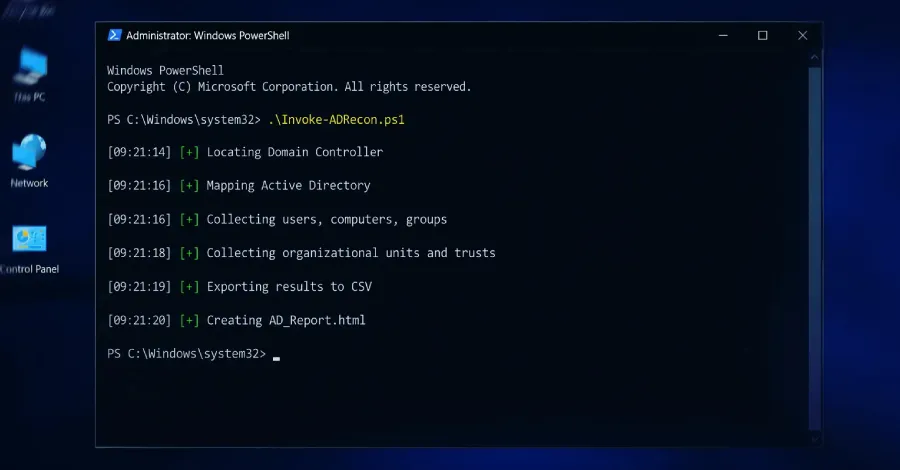
Harnessing AI in Cybersecurity: Protecting Active Directory Against New Threats
The rise of AI-generated scripts in cyberattacks presents new challenges for organizations. This article explores how to secure Active Directory and safeguard against these emerging threats.
Related articles



Popular in Cybersecurity
- Federal Mandate for Autonomous Vehicles: A Call for Safety Compliance
- EU Mandates Google to Share Data and Open AI on Android: What It Means
- GitHub Revamps Bug Bounty Program: Implications for Developers and Security
- Australian Government Disables Thousands of Functional Broadband Routers: A Wasteful Decision
- Exploiting Redis: Understanding Zero-Day Vulnerabilities and Their Mitigation