Strengthening Cybersecurity: Lessons from the Balochistan Police Portal Breach
The recent breach of the Balochistan Police Portal highlights critical vulnerabilities in cybersecurity. This article explores the implications and provides actionable steps for organizations to enhance their defenses.

The recent cyber incident involving the Balochistan Police Portal has served as a wake-up call for organizations worldwide about the devastating impact of software vulnerabilities. Hackers have exploited this portal, utilizing it as a platform for multi-group espionage campaigns, compromising sensitive information and raising alarms about the security of digital infrastructures. As this breach highlights, the intersection of law enforcement and cybersecurity can lead to dire consequences when vulnerabilities are not adequately addressed.
As we delve into the implications of this incident, it is vital to not only understand the nature of the breach but also to recognize how organizations can fortify themselves against similar threats. With the rise of artificial intelligence (AI) in cybersecurity, there are new opportunities, as well as challenges, that organizations must navigate to protect their data and systems.
The Balochistan Police Portal Breach: What Happened?
The Balochistan Police Portal, designed to streamline operations within the law enforcement agency, fell victim to a sophisticated cyber-espionage campaign. Hackers exploited security loopholes, enabling unauthorized access to sensitive data, including personal information of police personnel and potentially classified operational details. This breach underscores a growing trend where malicious actors target governmental and law enforcement entities, recognizing the wealth of sensitive information they hold.
Understanding the Threat Landscape
Cybercriminals today employ a variety of tactics to infiltrate systems, and the Balochistan incident is no exception. The attackers utilized a combination of phishing techniques, malware deployment, and exploiting software vulnerabilities. Such breaches not only compromise individual organizations but also threaten national security and public trust.

The Role of AI in Cybersecurity
In light of incidents like the Balochistan Police Portal breach, organizations are increasingly turning to AI to bolster their cybersecurity defenses. AI models can analyze vast amounts of data to identify patterns and predict potential vulnerabilities before they are exploited. This proactive approach is crucial in a landscape where traditional security measures often fall short.
5 Steps to Secure Against AI-Discovered Software Vulnerabilities
Organizations can take several proactive steps to enhance their cybersecurity posture, particularly in the wake of emerging threats:
- Regular Software Updates: Ensure all software is up-to-date with the latest security patches, as outdated systems are prime targets for exploitation.
- Implement AI-Driven Security Solutions: Invest in AI security tools that can continuously monitor networks for unusual activity and flag potential threats in real-time.
- Conduct Regular Security Audits: Regularly evaluate your systems and processes to identify vulnerabilities and address them before they can be exploited.
- Train Employees: Conduct ongoing cybersecurity training for employees to recognize phishing attempts and other social engineering attacks.
- Develop an Incident Response Plan: Have a clear plan in place for responding to breaches, including communication strategies and recovery processes.

Why It Matters: The Broader Implications
The implications of the Balochistan Police Portal breach extend beyond the immediate damage to the agency. Such incidents can erode public trust in governmental institutions, hinder law enforcement operations, and potentially expose citizens to greater risks. When sensitive information falls into the wrong hands, it can lead to identity theft, fraud, and further criminal activities.
The Ripple Effect on Society
Moreover, the breach serves as a reminder of the interconnected nature of cybersecurity. What happens in one sector can have cascading effects across others. For instance, a breach in a law enforcement database could compromise investigations, affect court cases, and undermine community safety. Therefore, organizations must understand that robust cybersecurity measures are not just a technical necessity but a societal imperative.

Key Takeaways
- The Balochistan Police Portal breach exemplifies vulnerabilities in cybersecurity, particularly within governmental organizations.
- AI can play a crucial role in enhancing security measures to detect and mitigate risks.
- Organizations must implement proactive security measures, including regular updates and employee training, to safeguard against threats.
- The impact of cybersecurity breaches extends beyond affected organizations, influencing public trust and societal safety.
Frequently Asked Questions
What are the primary causes of cybersecurity breaches?
Cybersecurity breaches are often caused by a combination of factors, including outdated software, human error, and sophisticated hacking techniques. Attackers frequently exploit known vulnerabilities in software and systems that have not been patched or updated. Additionally, social engineering tactics, such as phishing, can trick employees into providing sensitive information or access to secure systems.
How can organizations measure their cybersecurity effectiveness?
Organizations can measure their cybersecurity effectiveness through regular security audits, penetration testing, and risk assessments. These evaluations help identify weaknesses in the security infrastructure and provide insights into how well the organization is prepared to respond to potential threats. Key performance indicators (KPIs) like incident response times and the number of detected threats can also serve as valuable metrics.
What role does employee training play in cybersecurity?
Employee training is a critical component of a comprehensive cybersecurity strategy. Well-informed employees are less likely to fall victim to phishing attacks and can better recognize suspicious activity. Regular training sessions on cybersecurity best practices, incident reporting, and the importance of strong passwords can empower employees to act as the first line of defense against cyber threats.
Comments
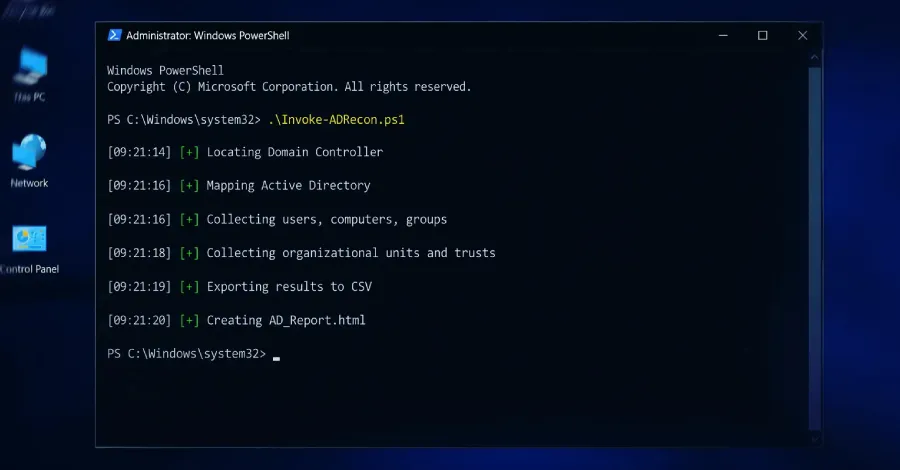
Harnessing AI in Cybersecurity: Protecting Active Directory Against New Threats
The rise of AI-generated scripts in cyberattacks presents new challenges for organizations. This article explores how to secure Active Directory and safeguard against these emerging threats.
Related articles




Popular in Cybersecurity
- Federal Mandate for Autonomous Vehicles: A Call for Safety Compliance
- EU Mandates Google to Share Data and Open AI on Android: What It Means
- GitHub Revamps Bug Bounty Program: Implications for Developers and Security
- Australian Government Disables Thousands of Functional Broadband Routers: A Wasteful Decision
- Exploiting Redis: Understanding Zero-Day Vulnerabilities and Their Mitigation