Forg365 PhaaS: Understanding the Threats and Securing Your Microsoft 365 Environment
The rise of Forg365 as a Password as a Service (PhaaS) targeting Microsoft 365 highlights significant security vulnerabilities. This article explores these threats and offers actionable steps for businesses to enhance their cybersecurity posture.
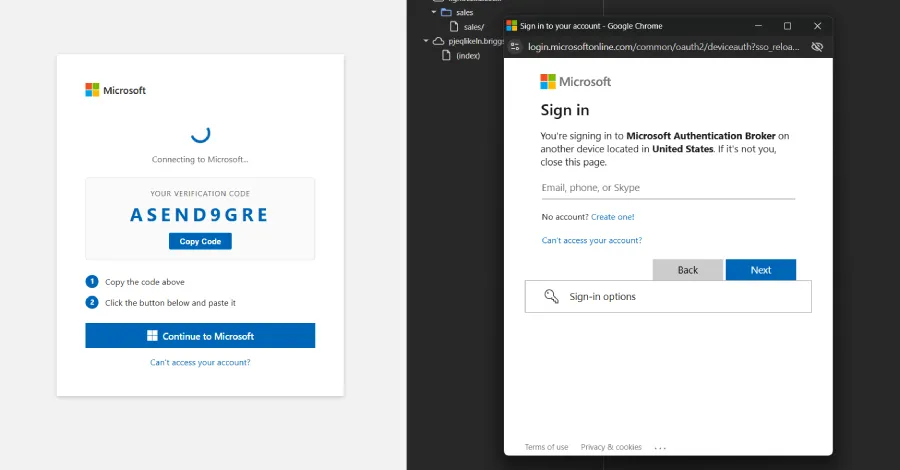
As organizations increasingly rely on cloud services like Microsoft 365 for their daily operations, the need for robust cybersecurity measures has never been more critical. Among the emerging threats in this landscape is Forg365, a Password as a Service (PhaaS) platform that exploits vulnerabilities in Microsoft 365 environments. This article delves into the mechanics of Forg365, its implications for businesses, and essential strategies to fortify your defenses against sophisticated cyber threats.
The Rise of Forg365: A New Breed of Cyber Threat
Forg365 represents a significant evolution in the cyber threat landscape, functioning as a PhaaS that specifically targets Microsoft 365 users. This service allows cybercriminals to bypass multifactor authentication (MFA) and steal session tokens, enabling them to gain unauthorized access to user accounts.
At its core, Forg365 integrates sophisticated techniques such as Device Code and Account Takeover via session theft (AitM). By leveraging these methods, attackers can compromise devices and access sensitive information without needing a user's password. As the adoption of cloud services accelerates, so too does the sophistication of cyber threats, making it essential for organizations to understand the implications of these vulnerabilities.

Understanding the Mechanics of Forg365
Device Code and Its Implications
The Device Code flow is a legitimate authentication protocol used by many applications, including Microsoft 365. However, Forg365 exploits this protocol by tricking users into entering their credentials on a malicious site. Once harvested, the attackers can use these credentials to access the victim's account.
Account Takeover via Session Theft
In addition to stealing credentials, Forg365 employs AitM techniques to capture session tokens. This means that even if a user changes their password after falling victim to a phishing attack, the attacker can still retain access to the account by using the stolen session token. This highlights the importance of not only securing login processes but also monitoring active sessions for any unauthorized access.
Why Forg365 Matters: The Broader Implications for Businesses
The emergence of PhaaS platforms like Forg365 poses significant risks for businesses. With many organizations now operating in hybrid environments, the attack surface has expanded dramatically. Cybercriminals are not only targeting individual users but are increasingly focusing on entire organizations, making it crucial for companies to adopt a comprehensive security strategy.
- Increased Attack Surface: The shift to remote work and cloud services has broadened the number of potential entry points for attackers.
- Potential for Data Breaches: Successful attacks can lead to data breaches, resulting in financial losses and damage to reputation.
- Regulatory Compliance Risks: Organizations that fail to secure their systems may face penalties under regulations such as GDPR or HIPAA.

Five Steps to Secure Against Forg365 and Similar Threats
To combat the growing threat of Forg365 and other PhaaS services, organizations must implement a multi-layered security approach. Here are five actionable steps that can help enhance your cybersecurity posture:
1. Strengthen Authentication Processes
Implementing robust authentication methods is essential. Consider moving beyond traditional passwords and using biometric authentication or hardware security keys (e.g., YubiKeys) to enhance security.
2. Monitor and Manage Active Sessions
Regularly review active sessions and terminate any that appear suspicious. Tools like Azure Active Directory provide insights into user activity and can help identify unauthorized access attempts.
3. Educate Employees on Phishing Risks
Investing in cybersecurity training for employees can significantly reduce the risk of successful phishing attacks. Simulated phishing exercises can help employees recognize and report suspicious emails.
4. Implement Zero Trust Architecture
Adopting a Zero Trust model means treating every access attempt as potentially malicious. This approach involves strict verification processes, even for internal users.
5. Use Advanced Threat Protection Tools
Deploy security solutions that utilize artificial intelligence and machine learning to detect anomalies and respond to threats in real-time. Tools like Microsoft Defender for Cloud can automatically flag suspicious activities.

Key Takeaways
- Forg365 is a PhaaS that targets Microsoft 365 users through sophisticated techniques.
- Understanding the mechanics of Device Code exploitation and session theft is crucial for preventing attacks.
- Implementing multi-layered security measures can significantly reduce the risk of account compromises.
- Continuous employee education and advanced tools are essential in the fight against evolving cyber threats.
Frequently Asked Questions
What is Forg365 and how does it work?
Forg365 is a Password as a Service (PhaaS) platform that targets Microsoft 365 users by exploiting legitimate authentication protocols. It uses techniques such as Device Code manipulation and Account Takeover via session theft to gain unauthorized access to user accounts. Cybercriminals often trick users into entering their credentials on malicious sites, leading to stolen credentials and session tokens.
How can organizations protect against PhaaS threats?
Organizations can protect against PhaaS threats by implementing a multi-layered cybersecurity strategy. This includes strengthening authentication processes, monitoring active sessions, educating employees about phishing risks, adopting a Zero Trust approach, and deploying advanced threat protection tools that leverage AI and machine learning to detect and respond to threats.
Why is employee education important in cybersecurity?
Employee education is critical because human error is often the weakest link in cybersecurity. By training employees to recognize phishing attempts and understand the importance of secure practices, organizations can significantly reduce the likelihood of successful attacks. Ongoing training and simulated exercises help reinforce this knowledge and create a security-aware culture.
Comments
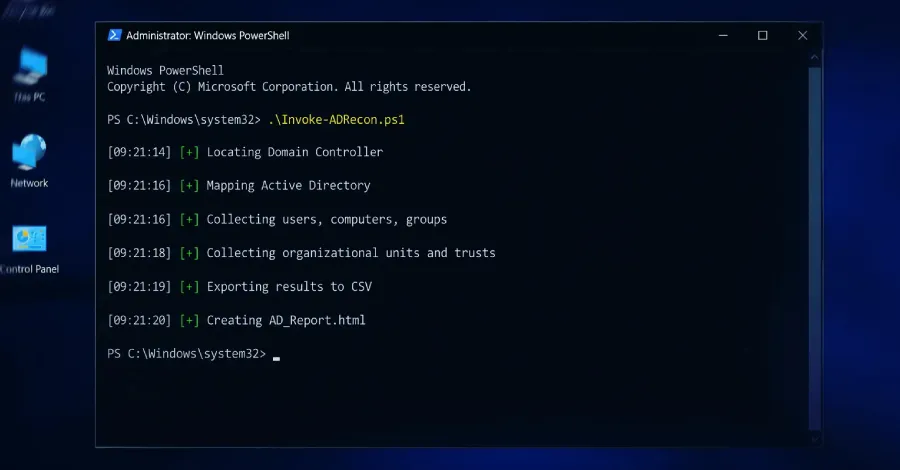
Harnessing AI in Cybersecurity: Protecting Active Directory Against New Threats
The rise of AI-generated scripts in cyberattacks presents new challenges for organizations. This article explores how to secure Active Directory and safeguard against these emerging threats.
Related articles


Popular in Cybersecurity
- Federal Mandate for Autonomous Vehicles: A Call for Safety Compliance
- EU Mandates Google to Share Data and Open AI on Android: What It Means
- GitHub Revamps Bug Bounty Program: Implications for Developers and Security
- Australian Government Disables Thousands of Functional Broadband Routers: A Wasteful Decision
- Exploiting Redis: Understanding Zero-Day Vulnerabilities and Their Mitigation