Leveraging AI to Enhance Cybersecurity: A Guide for Organizations
As AI becomes a pivotal force in cybersecurity, organizations must understand how to effectively implement this technology to protect against vulnerabilities. This guide explores the integration of AI with human analysts to fortify defenses.
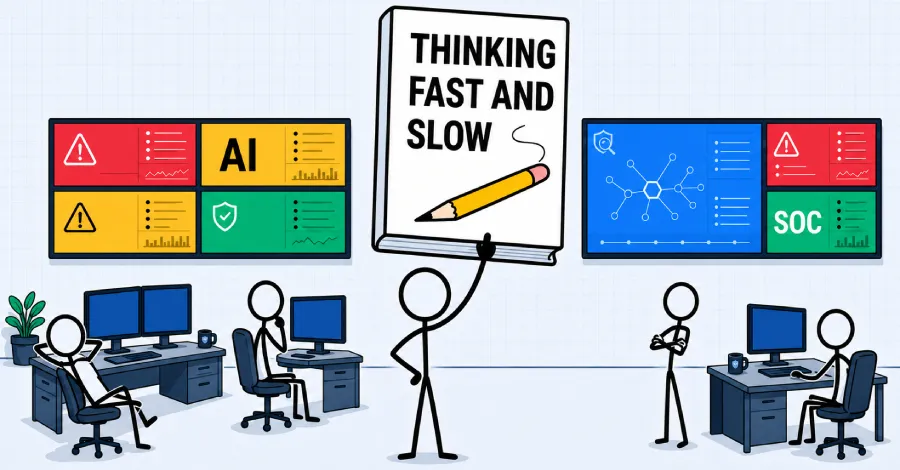
In recent years, artificial intelligence (AI) has transformed various industries, and cybersecurity is no exception. With the rise of sophisticated cyber threats, organizations are increasingly turning to AI-driven solutions to enhance their defenses. However, while AI can process vast amounts of data and identify potential vulnerabilities at lightning speed, the human element remains crucial for effective cybersecurity. This article delves into the integration of autonomous AI with analyst copilots, outlining practical steps organizations can take to secure themselves against software vulnerabilities.
The Role of AI in Cybersecurity
AI technologies have revolutionized how organizations approach cybersecurity threats. Traditional methods often rely on pre-defined rules and signatures to identify malicious activity, which can leave systems vulnerable to newly emerging threats. In contrast, AI can analyze patterns and behaviors across networks and systems, providing a more dynamic and responsive approach to threat detection and prevention. Here are some ways AI enhances cybersecurity:
- Real-time threat detection: AI can monitor network traffic and user behaviors in real-time, identifying anomalies that may indicate a breach.
- Predictive analytics: By analyzing historical data, AI can predict potential vulnerabilities before they are exploited.
- Automated response: AI can initiate automated responses to certain threats, reducing the time it takes to mitigate potential damage.
- Continuous learning: Machine learning algorithms improve over time, adapting to new threats and refining their detection capabilities.

Understanding Analyst Copilots
Despite the advantages of AI, it is essential not to overlook the importance of human expertise in the cybersecurity landscape. Analyst copilots serve as a bridge between AI capabilities and human decision-making. These copilots assist cybersecurity analysts by providing context, interpreting AI findings, and facilitating strategic responses to identified threats. Here’s why integrating analyst copilots is vital:
Enhancing Decision-Making
While AI can identify potential threats, it lacks the nuanced understanding of context that human analysts possess. Analyst copilots can provide essential insights, enabling analysts to determine the severity of a threat and prioritize responses accordingly.
Combating Fatigue and Burnout
Cybersecurity analysts often face high-stress environments, leading to fatigue and burnout. By integrating AI-driven insights, analysts can focus on more complex, strategic tasks, alleviating some of the pressures associated with repetitive monitoring and data analysis.
Improving Collaboration
Analyst copilots enhance collaboration within security teams by aggregating information from various sources, facilitating knowledge sharing, and fostering a culture of continuous improvement. This teamwork is crucial in an industry where threats evolve rapidly.

Five Steps to Secure Against Software Vulnerabilities Discovered by AI Models
To effectively safeguard against vulnerabilities identified by AI models, organizations should adopt a comprehensive cybersecurity strategy that combines technology with human insight. Here are five actionable steps:
1. Conduct Regular Vulnerability Assessments
Organizations should schedule regular vulnerability assessments to identify and address weaknesses in their software and systems. These assessments can be automated with AI tools that scan for known vulnerabilities, ensuring that no stone is left unturned.
2. Patch and Update Software Promptly
Timely patching of software is critical in mitigating vulnerabilities. Organizations should implement an efficient patch management process to ensure that updates are applied as soon as they are available, reducing the window of opportunity for attackers.
3. Foster a Culture of Security Awareness
Educating employees about cybersecurity best practices can significantly reduce the risk of human error, which is often the weakest link in security. Training sessions should cover topics such as phishing attacks, password hygiene, and safe internet usage.
4. Leverage Threat Intelligence
Utilizing threat intelligence feeds can enhance an organization's understanding of the threat landscape. AI can help aggregate and analyze this intelligence, providing insights that inform security strategies and incident response plans.
5. Implement a Multi-Layered Security Approach
Relying on a single security measure is never enough. Organizations should adopt a multi-layered approach that includes firewalls, intrusion detection systems, endpoint protection, and AI-driven analytics to create a robust defense against potential threats.

Key Takeaways
- AI technology significantly enhances cybersecurity capabilities by providing real-time threat detection and predictive analytics.
- Analyst copilots play a crucial role in integrating human expertise with AI insights, improving decision-making and reducing analyst burnout.
- Regular vulnerability assessments, timely software updates, and a culture of security awareness are key to protecting against AI-discovered vulnerabilities.
- A multi-layered security approach is essential for robust defense against evolving cyber threats.
Frequently Asked Questions
How does AI improve threat detection in cybersecurity?
AI enhances threat detection by analyzing vast amounts of data in real-time to identify anomalies and patterns that may indicate malicious activity. Traditional methods rely on static signatures, which can miss new threats. AI's adaptive learning capabilities allow it to stay ahead of evolving threats, making it a valuable asset in cybersecurity.
What is the role of analyst copilots in cybersecurity?
Analyst copilots act as a supportive layer for cybersecurity professionals, helping them interpret AI findings and providing context for decision-making. They assist in prioritizing threats, alleviating analyst fatigue, and improving team collaboration, ultimately leading to more effective incident response strategies.
How often should organizations conduct vulnerability assessments?
Organizations should conduct vulnerability assessments regularly, ideally at least quarterly or whenever significant changes are made to their systems. This proactive approach helps identify and mitigate vulnerabilities before they can be exploited by attackers.
What are some common challenges in implementing AI in cybersecurity?
Implementing AI in cybersecurity can pose challenges such as data privacy concerns, the need for skilled personnel to manage AI systems, and the risk of over-reliance on technology. Organizations must balance the use of AI with human expertise to create a comprehensive security posture.
Comments
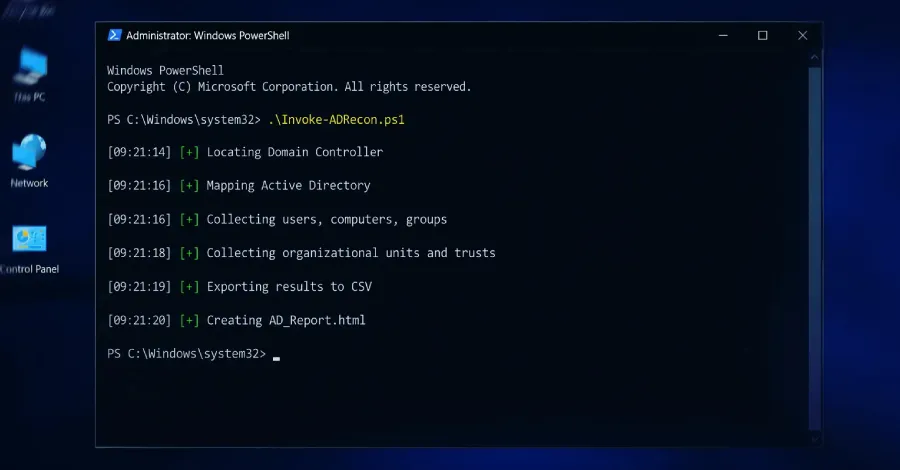
Harnessing AI in Cybersecurity: Protecting Active Directory Against New Threats
The rise of AI-generated scripts in cyberattacks presents new challenges for organizations. This article explores how to secure Active Directory and safeguard against these emerging threats.
Related articles



Popular in Cybersecurity
- Federal Mandate for Autonomous Vehicles: A Call for Safety Compliance
- EU Mandates Google to Share Data and Open AI on Android: What It Means
- GitHub Revamps Bug Bounty Program: Implications for Developers and Security
- Australian Government Disables Thousands of Functional Broadband Routers: A Wasteful Decision
- Exploiting Redis: Understanding Zero-Day Vulnerabilities and Their Mitigation