Securing Your Software: Lessons from the jscrambler Incident
The recent compromise of the jscrambler npm package underscores the critical need for robust cybersecurity practices. Learn how to protect your systems and data.
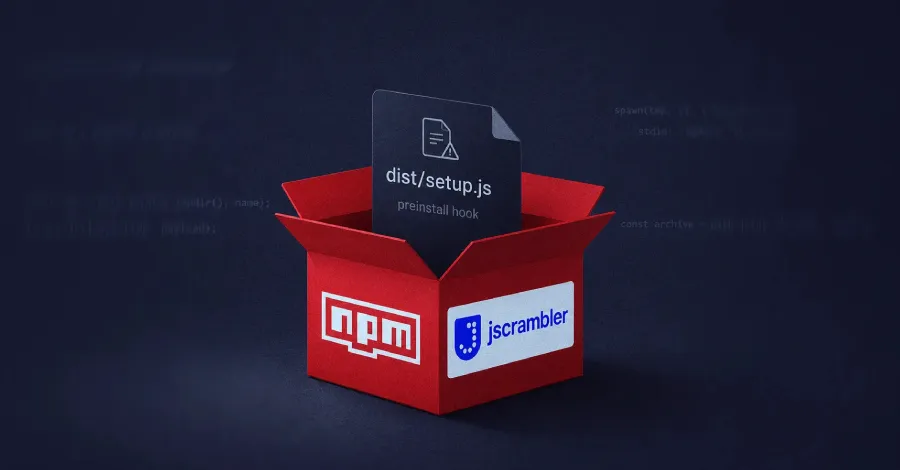
In the ever-evolving landscape of cybersecurity, the recent compromise of the jscrambler npm package serves as a stark reminder of the vulnerabilities that can lurk within widely-used software. When version 8.14.0 of jscrambler was released, it inadvertently dropped a malicious Rust-based infostealer during installation. This incident not only jeopardized countless applications relying on jscrambler for JavaScript obfuscation but also raised urgent questions about software supply chain security. As organizations increasingly depend on third-party libraries and frameworks, understanding how to secure these dependencies is crucial.
The implications of the jscrambler breach are extensive, affecting developers, businesses, and end-users. The incident highlights the need for comprehensive security measures and proactive strategies to protect against software vulnerabilities. In this article, we’ll explore the details of the jscrambler compromise, the broader context of software security, and essential steps organizations should take to safeguard themselves in today's threat landscape.
Understanding the jscrambler Vulnerability
The jscrambler npm package has been a popular choice among developers for obfuscating JavaScript code, making it harder for malicious actors to reverse-engineer applications. However, the release of version 8.14.0 turned into a nightmare scenario. During the installation process, the compromised package dropped a Rust infostealer, a type of malware designed to harvest sensitive information from infected systems.
This incident is not isolated; it reflects a growing trend in software supply chain attacks, where adversaries target popular libraries to compromise numerous applications at once. The Rust infostealer is particularly concerning due to its efficiency and stealth, making it difficult to detect by conventional antivirus solutions. Once deployed, it can exfiltrate sensitive data, including user credentials and API keys, exposing organizations to data breaches and compliance violations.

The Broader Context of Software Supply Chain Security
The jscrambler incident underscores a critical vulnerability in the software supply chain—one that has been exploited with increasing frequency. In 2022 alone, software supply chain attacks saw a sharp rise, with experts estimating a 650% increase compared to previous years. This alarming trend highlights the need for organizations to reevaluate their approach to third-party dependencies.
Organizations often underestimate the risks associated with open-source software, assuming that popular packages are inherently secure. However, as seen with jscrambler, even well-known libraries can harbor vulnerabilities. The interconnected nature of software development means that a single compromised package can have a cascading effect on many applications, creating a ripple effect across the entire ecosystem.
Steps to Secure Against Software Vulnerabilities
Given the increasing sophistication of cyber threats, organizations must adopt a proactive approach to securing their software environments. Here are five essential steps to protect against vulnerabilities like those exposed by the jscrambler incident:
- Conduct Regular Security Audits: Regularly evaluate your codebase and third-party dependencies for vulnerabilities. Tools like Snyk and OWASP Dependency-Check can automate this process.
- Implement a Robust Software Supply Chain Policy: Establish guidelines for using third-party libraries, including vetting processes and risk assessments.
- Monitor Dependencies Continuously: Use automated monitoring tools to track updates and vulnerabilities in your dependencies, ensuring timely responses to threats.
- Educate Your Development Team: Provide training on secure coding practices and the importance of supply chain security to instill a security-first mindset among developers.
- Utilize Containerization: Consider using containerized environments for deploying applications to isolate dependencies and reduce the attack surface.

The Role of AI in Cybersecurity
Artificial Intelligence (AI) has emerged as a powerful ally in the fight against cybersecurity threats. AI models can analyze vast amounts of data to identify patterns and detect anomalies that may indicate a potential breach. This capability is especially valuable in monitoring third-party dependencies, where traditional methods may fall short.
Organizations can leverage AI-driven tools to enhance their security measures, such as predictive analytics to forecast potential vulnerabilities and automated incident response systems that can respond to threats in real time. The integration of AI into cybersecurity not only improves threat detection and response times but also allows security teams to focus on more complex challenges, enhancing overall security posture.

Key Takeaways
- The compromise of the jscrambler npm package highlights critical vulnerabilities in software supply chains.
- Organizations must adopt a proactive approach to secure third-party dependencies.
- Utilizing AI can enhance the detection and response to cybersecurity threats.
- Regular audits, education, and monitoring are essential for maintaining software security.
- Containerization can reduce the attack surface of deployed applications.
Frequently Asked Questions
What is the jscrambler npm package used for?
The jscrambler npm package is primarily used by developers for obfuscating JavaScript code. This process makes it more difficult for potential attackers to reverse-engineer applications, helping to protect intellectual property and sensitive data embedded within the code.
How can organizations detect supply chain vulnerabilities?
Organizations can detect supply chain vulnerabilities by implementing regular security audits of their codebase and third-party dependencies. Additionally, using automated tools such as Snyk, OWASP Dependency-Check, and GitHub's Dependabot can help identify known vulnerabilities and alert developers to necessary updates.
What role does AI play in improving cybersecurity?
AI enhances cybersecurity by providing advanced analytics capabilities that can process large volumes of data to detect anomalies and potential threats. It also enables automated responses to security incidents, allowing organizations to react quickly and effectively to breaches, improving their overall security posture.
What steps should developers take to protect their code?
Developers should engage in best practices such as conducting regular security audits, using secure coding practices, and regularly updating third-party dependencies. Additionally, educating themselves about potential vulnerabilities and the importance of supply chain security is crucial for safeguarding their applications.
Comments
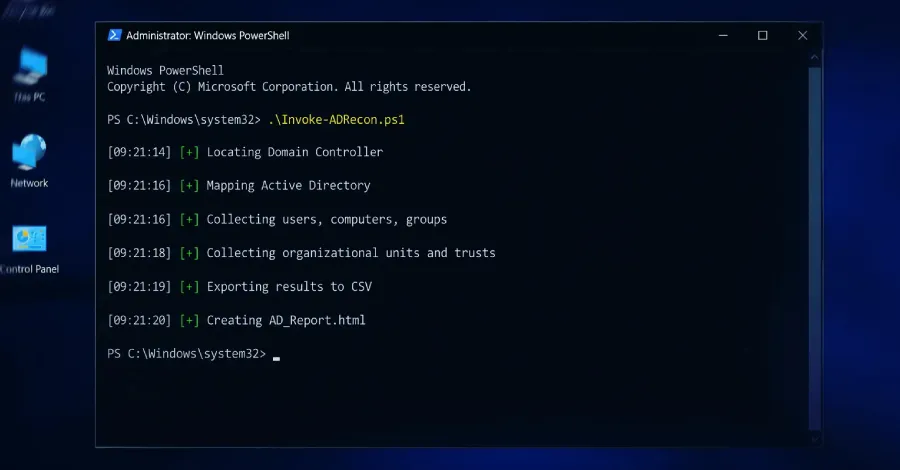
Harnessing AI in Cybersecurity: Protecting Active Directory Against New Threats
The rise of AI-generated scripts in cyberattacks presents new challenges for organizations. This article explores how to secure Active Directory and safeguard against these emerging threats.
Related articles




Popular in Cybersecurity
- Federal Mandate for Autonomous Vehicles: A Call for Safety Compliance
- EU Mandates Google to Share Data and Open AI on Android: What It Means
- GitHub Revamps Bug Bounty Program: Implications for Developers and Security
- Australian Government Disables Thousands of Functional Broadband Routers: A Wasteful Decision
- Exploiting Redis: Understanding Zero-Day Vulnerabilities and Their Mitigation