HollowFrame Loader: A New Threat in Spear-Phishing Attacks on Law Firms
The HollowFrame Loader is increasingly being used in sophisticated spear-phishing attacks, particularly targeting law firms. This article explores its implications and preventive measures.
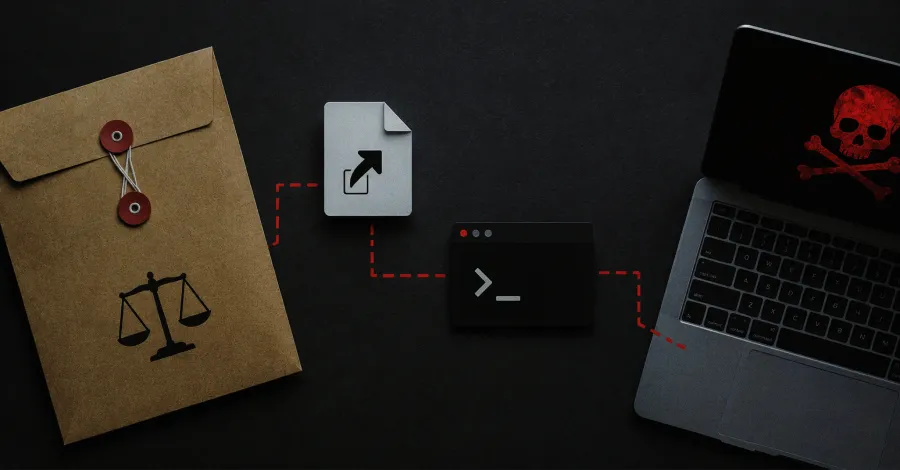
In recent months, a sophisticated spear-phishing campaign has caught the attention of cybersecurity experts, primarily due to its use of the HollowFrame Loader. This malware, which is notably effective in deploying the Matryoshka backdoor, has targeted law firms specifically, raising alarms about the vulnerabilities in the legal sector. With the increasing sophistication of cyber threats, understanding the mechanisms of such attacks is crucial for organizations that handle sensitive information.
The legal industry, which relies heavily on confidential client information, is an attractive target for cybercriminals. The HollowFrame Loader, with its ability to bypass traditional security measures, exemplifies the advanced tactics employed by today's attackers. In this article, we will delve deeper into the operational mechanics of the HollowFrame Loader, the implications of its use in spear-phishing attacks, and the measures firms can take to protect themselves.
Understanding HollowFrame Loader and Its Delivery Mechanism
The HollowFrame Loader is a type of malware that serves as a precursor to more complex attacks. It is often delivered through phishing emails designed to look legitimate, tricking the recipient into clicking on malicious links or downloading infected attachments. Once activated, the loader can deploy additional malware, such as the Matryoshka backdoor, which grants attackers unauthorized access to the victim's system.
How the Phishing Attack Unfolds
In a typical spear-phishing scenario involving the HollowFrame Loader, the following steps are often observed:
- Preparation: Attackers research their targets, often impersonating someone from within the firm or a known client.
- Execution: A convincing email is sent, containing a link or attachment that appears legitimate.
- Activation: Once the recipient interacts with the email, the loader is executed, establishing a connection with the attacker’s server.
- Backdoor Deployment: The Matryoshka backdoor is installed, allowing further exploitation of the compromised system.

The Legal Sector: A Prime Target
Law firms are particularly vulnerable to cyber attacks for several reasons. They handle vast amounts of sensitive data, including personal information and proprietary business documents, making them a gold mine for cybercriminals. Moreover, the legal sector often lacks robust cybersecurity measures compared to other industries, leading to increased susceptibility to attacks.
Additionally, the potential for high financial returns makes law firms attractive targets. Cybercriminals can leverage the stolen data for various purposes, including identity theft, fraud, or extortion. The fallout from a successful attack can be devastating, not only in terms of financial losses but also in reputational damage.

The Consequences of a Breach
When an attack using the HollowFrame Loader is successful, the implications can be severe. A breach can lead to the unauthorized exposure of confidential client information, resulting in legal liabilities and loss of client trust. Furthermore, regulatory bodies may impose heavy fines, depending on the nature of the data compromised.
In the U.S., laws such as the General Data Protection Regulation (GDPR) and the California Consumer Privacy Act (CCPA) impose strict penalties for data breaches. Law firms that fail to protect their clients' data could face legal action, leading to significant financial repercussions.
Strategic Risk Mitigation
To defend against threats like the HollowFrame Loader, law firms must adopt a multi-layered cybersecurity approach. This includes:
- Employee Training: Regular training sessions on recognizing phishing attempts can reduce the likelihood of successful attacks.
- Advanced Email Filtering: Implementing email filtering solutions can help identify and block malicious emails before they reach inboxes.
- Endpoint Protection: Utilizing robust endpoint protection software can help detect and mitigate threats before they escalate.
- Incident Response Plans: Developing and regularly updating an incident response plan ensures that firms are prepared to act swiftly in the event of a breach.

Conclusion: Staying Ahead of Cyber Threats
The emergence of the HollowFrame Loader highlights the evolving landscape of cyber threats, particularly within the legal sector. As attackers become increasingly sophisticated, law firms must prioritize cybersecurity measures to protect sensitive information and maintain client trust.
Organizations should remain vigilant and proactive in their approach to cybersecurity, understanding that the cost of inaction can far exceed the investment in protective measures. By implementing comprehensive security strategies, law firms can better safeguard themselves against the ever-present threat of cyber attacks.
Key Takeaways
- The HollowFrame Loader is a sophisticated malware used in spear-phishing attacks targeting law firms.
- Law firms are especially vulnerable due to the sensitive nature of the data they handle.
- Successful breaches can result in severe financial and reputational damage.
- Implementing multi-layered cybersecurity strategies is crucial for defense.
- Regular employee training and incident response planning can significantly reduce risk.
Frequently Asked Questions
What is the HollowFrame Loader?
The HollowFrame Loader is a type of malware that enables attackers to infiltrate systems and deploy additional malicious software, such as the Matryoshka backdoor. It is commonly delivered through spear-phishing emails, making it a significant threat to sensitive sectors like law firms.
Why are law firms targeted by cybercriminals?
Law firms are prime targets for cybercriminals due to the sensitive nature of the data they handle, including personal and financial information. The potential for high financial returns and the often inadequate cybersecurity measures in place make them attractive to attackers.
How can law firms protect themselves from spear-phishing attacks?
Law firms can protect themselves by implementing a multi-layered cybersecurity approach, which includes employee training on phishing recognition, advanced email filtering, endpoint protection, and a well-defined incident response plan. These measures can significantly reduce the risk of successful attacks.
What are the implications of a data breach for law firms?
A data breach can lead to the unauthorized exposure of confidential client information, resulting in financial losses, legal liabilities, and damage to the firm's reputation. Regulatory penalties may also apply, depending on the nature of the data compromised, highlighting the importance of robust cybersecurity measures.
Comments
Judge Upholds Minnesota Ban on ‘Nudify’ Apps Amid xAI Lawsuit
A U.S. District Judge has ruled against xAI's attempt to block Minnesota's ban on nudification apps. This decision allows the law to proceed while the lawsuit unfolds, raising questions about digital rights and consent.

Related articles



Popular in Cybersecurity
- Federal Mandate for Autonomous Vehicles: A Call for Safety Compliance
- EU Mandates Google to Share Data and Open AI on Android: What It Means
- GitHub Revamps Bug Bounty Program: Implications for Developers and Security
- Australian Government Disables Thousands of Functional Broadband Routers: A Wasteful Decision
- Exploiting Redis: Understanding Zero-Day Vulnerabilities and Their Mitigation