Defcon 2026 Introduces Revolutionary Open Source Security Badge
Defcon 2026 unveils a groundbreaking conference badge designed by Andrew 'bunnie' Huang, featuring an open-source security chip that promotes transparency and security in computing. This innovative badge not only serves as a conference memento but also functions as a hardware security token, setting a new standard in device trustworthiness.
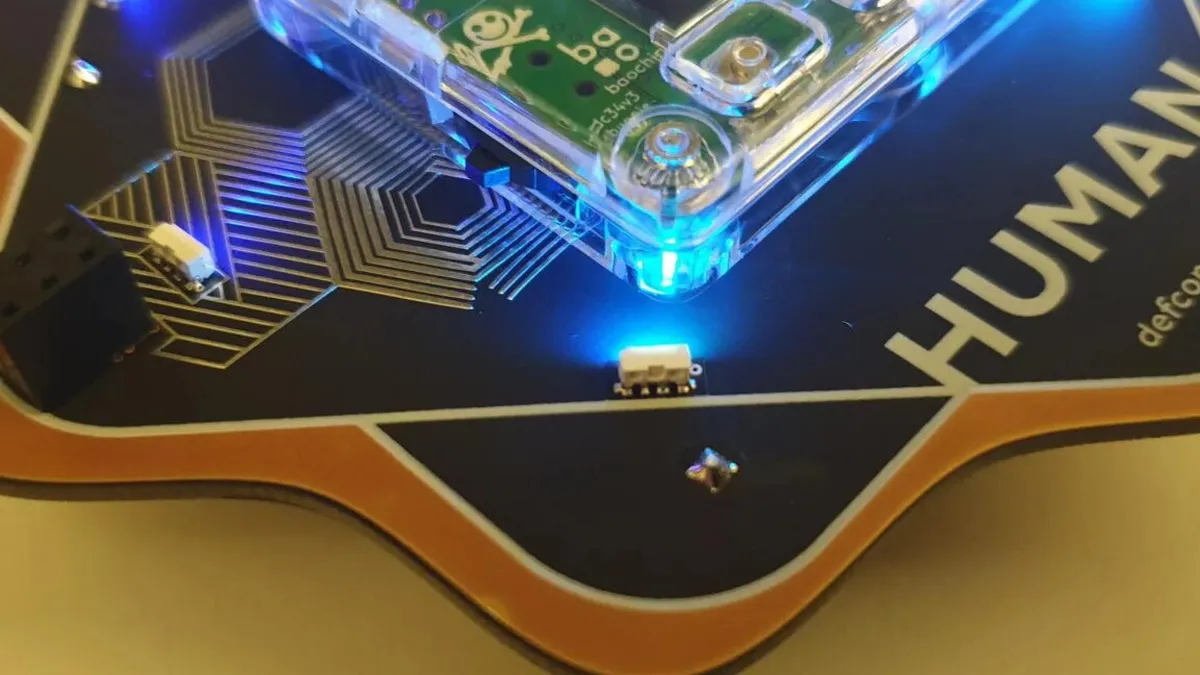
The annual Defcon hacker conference has long been a haven for tech enthusiasts, security professionals, and hackers alike, where attendees not only exchange insights on vulnerabilities and hacking techniques but also take home uniquely designed conference badges that are often electronic marvels. This year, however, the spotlight shifts from the intricate designs of the badges to the groundbreaking technology embedded within them. Defcon 2026’s badge, crafted by renowned hardware hacker Andrew 'bunnie' Huang, features a transparent, removable core module that serves as a standalone, open-source hardware security token. This innovation not only redefines what a conference badge can be but also advances the conversation around security, transparency, and trustworthiness in computing.
With cybersecurity threats becoming increasingly sophisticated and prevalent, the need for robust security solutions is paramount. The Baochip-1x, the chip at the heart of this year’s badge, symbolizes a significant leap forward in creating a hardware platform that users can inspect and verify. Unlike traditional black-box chips, the Baochip is designed to allow users to see its inner workings, thus fostering trust in its security claims. Attendees at Defcon will not only receive a badge but also an opportunity to engage in a new era of secure computing, where they can validate the integrity of the technology they are using.
Unveiling the Baochip-1x
The Baochip-1x is no ordinary microcontroller. Designed over three years, it embodies Huang's vision of creating a chip whose security can be independently verified. By publishing the source code for the Baochip’s operating system, firmware, cryptographic engines, and more on GitHub, Huang ensures that the community can inspect and utilize these components freely. This level of transparency is not only refreshing but necessary in a landscape where trust in technology is often lacking.
Visual Inspection and Transparency
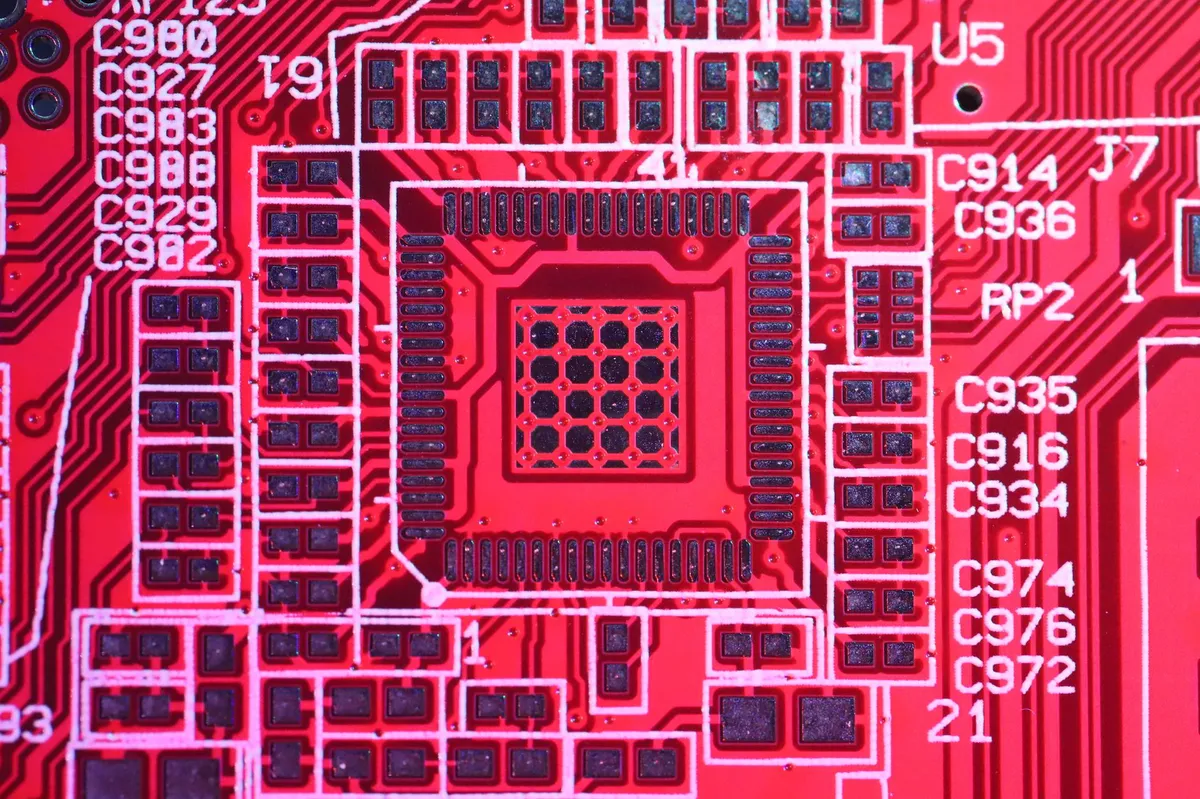
One of the most striking features of the Baochip is its transparent packaging, which allows infrared light to penetrate the chip. This capability enables researchers and users to visually inspect the silicon itself, providing an unprecedented level of verification compared to traditional chips that are encased in opaque plastic, which hide their internal circuitry. As Huang points out, this approach addresses significant supply chain security concerns, where malicious modifications could go undetected during manufacturing.
- Open Source: The Baochip-1x is a mostly open-source microcontroller.
- Visual Verification: Its transparent design allows infrared inspection of internal structures.
- Community Engagement: Source code is available on GitHub for public scrutiny and use.
- Real-World Application: Functions as a hardware security token beyond the conference.
Collaboration and Manufacturing Insights
Developing a new chip is a resource-intensive endeavor, often costing millions of dollars. Huang managed to circumvent some of these costs by partnering with Crossbar, a company interested in creating an open-source and secure chip. Huang’s involvement allowed him to piggyback on Crossbar’s manufacturing run, resulting in a chip that combines both designs, although Huang's version disables Crossbar’s proprietary microprocessor. This collaboration highlights how shared resources can lead to innovative solutions in hardware design.
From Concept to Conference Badge
The idea of using the Baochip in Defcon badges emerged during a conversation between Huang and Jeff Moss, Defcon's founder. Recognizing that the theme of this year’s conference—agency—aligned perfectly with Huang's vision for the chip, Moss saw an opportunity to introduce the Baochip to a wider audience. With 27,000 badges being distributed, this marks the first major rollout of the Baochip, giving attendees a chance to engage with cutting-edge security technology.

Beyond the Badge: Real-World Application of the Baochip
The detachable module of the Defcon badge can serve as a FIDO hardware security token, supporting time-based one-time password systems and password management. This functionality holds significant implications for users seeking secure authentication methods in a world rife with cybersecurity threats. Huang states that the badge is “probably the world’s first open-source security token that you can fully inspect all the way down to the bootloader and transistors.” This level of detail is essential for building trust in security devices.
Innovative Features for Interaction
While the Baochip's security features are impressive, the badge is also designed to enhance attendee interaction. Each badge type—general attendees, speakers, volunteers, and VIPs—has its own unique color scheme and flashing patterns. These patterns can be modified by users as they interact with other badges, fostering a sense of community and engagement among attendees. This gamification aspect not only adds an element of fun but also encourages networking at the conference.

Assessing Security: How Secure is the Baochip?
The Baochip employs an operating system written in Rust, which is known for its performance and safety. It features secure boot processes, a true random number generator, and hardware components designed to resist various attacks. Huang believes that the chip will be particularly robust against remote, non-physical attacks, yet he urges caution against overhyping its security capabilities. While he estimates that it can withstand attacks involving tens of thousands of dollars in resources, he acknowledges that a sophisticated adversary with extensive resources could potentially defeat it.
Embracing the Challenge of Open Source Security
Huang embraces the idea that the best way to improve the Baochip is through real-world testing. By launching it at Defcon, he invites hackers to stress-test the chip, uncovering vulnerabilities and flaws that could be addressed in future iterations. The openness of the design is a feature, not a bug; it encourages a collaborative approach to security, where community feedback plays a vital role in enhancing the product.
Key Takeaways
- Defcon 2026 features a groundbreaking badge with an open-source security chip.
- The Baochip-1x allows for visual inspection, promoting trust in its security.
- Collaboration with Crossbar facilitated the chip's development and manufacturing.
- Badges serve practical purposes beyond the conference, functioning as hardware security tokens.
- Community engagement is key to improving the Baochip's security through real-world testing.
Frequently Asked Questions
What makes the Baochip-1x different from traditional chips?
The Baochip-1x is distinctive due to its transparent packaging, which allows users to visually inspect its internal structures using infrared light. This contrasts sharply with traditional chips, which are typically encased in opaque materials, preventing any verification of their internal components. The Baochip represents a significant advancement in the transparency and verification of hardware security.
How can users benefit from the Defcon badge after the conference?
Attendees can utilize the badge as a hardware security token, which supports features like time-based one-time passwords and password management systems. This gives the badge a second life, ensuring it is not merely a conference souvenir but a functional piece of technology that can enhance personal or organizational security.
What are the security features of the Baochip?
The Baochip boasts several advanced security features, including an operating system written in Rust, secure boot capabilities, a true random number generator, and resistive RAM (RRAM) designed to make data extraction more difficult. While Huang believes it is one of the most secure chips available, he emphasizes that it is not infallible and encourages users to approach its security claims with a critical eye.
How can the community contribute to the Baochip's development?
By making the source code publicly available on GitHub, Huang invites the community to inspect, test, and provide feedback on the Baochip. This collaborative approach allows developers, researchers, and hackers to identify vulnerabilities and suggest improvements, thus enhancing the chip’s security and functionality over time.
Comments
Judge Upholds Minnesota Ban on ‘Nudify’ Apps Amid xAI Lawsuit
A U.S. District Judge has ruled against xAI's attempt to block Minnesota's ban on nudification apps. This decision allows the law to proceed while the lawsuit unfolds, raising questions about digital rights and consent.

Related articles


Popular in Cybersecurity
- Federal Mandate for Autonomous Vehicles: A Call for Safety Compliance
- EU Mandates Google to Share Data and Open AI on Android: What It Means
- GitHub Revamps Bug Bounty Program: Implications for Developers and Security
- Australian Government Disables Thousands of Functional Broadband Routers: A Wasteful Decision
- Exploiting Redis: Understanding Zero-Day Vulnerabilities and Their Mitigation