Waymo's Overnight Charging Halted by Court Ruling in Santa Monica
A judge has ordered Waymo to cease overnight charging in Santa Monica due to noise complaints from residents, highlighting tensions between autonomous vehicle operations and community quality of life.
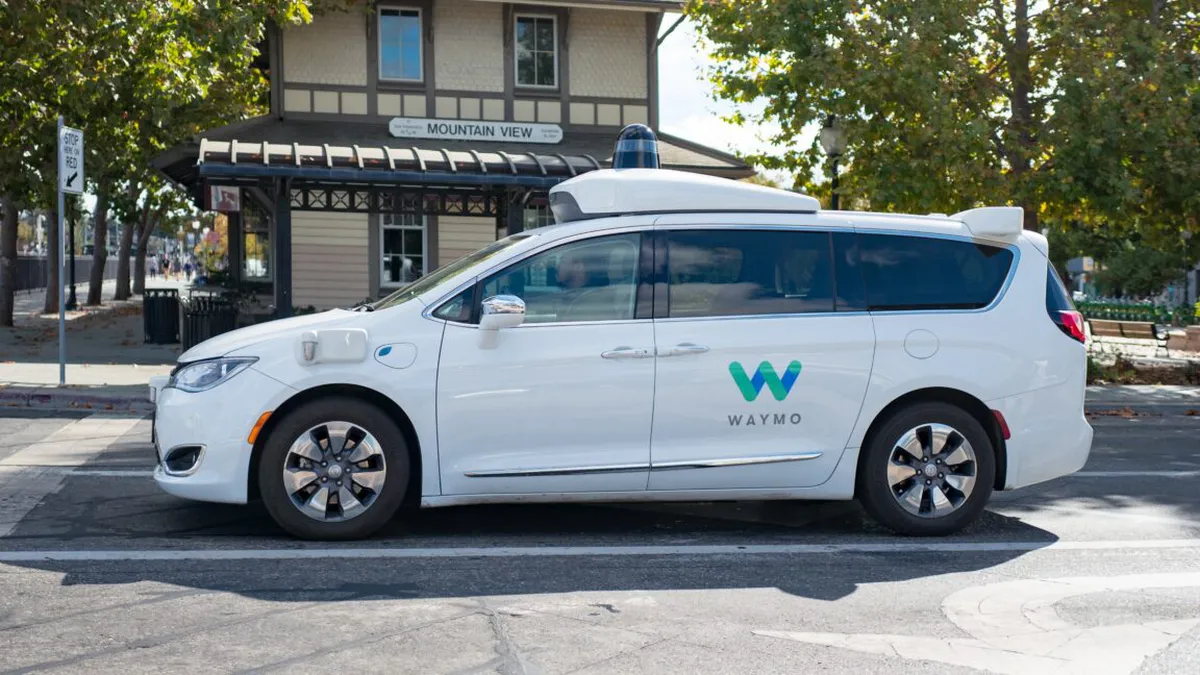
In a significant ruling, Los Angeles Superior Court Judge Bradley S. Phillips has ordered Waymo, the autonomous vehicle subsidiary of Alphabet Inc., to stop its overnight charging operations in Santa Monica, California. This decision comes in response to persistent noise complaints from local residents who have expressed their frustration about the disruptive sounds and light pollution generated by Waymo's fleet of self-driving minivans. As the debate over the integration of autonomous vehicles (AVs) into urban environments continues, this case underscores the growing tensions between technological advancement and community livability.
For the residents of Santa Monica, the uninterrupted sounds of Waymo's charging operations became an unwanted backdrop to their daily lives. The court's decision reflects not only individual grievances but also broader concerns about how emerging technologies can impact community dynamics. With the ruling now in effect, Waymo's charging facilities will be prohibited from operating between 11 PM and 6 AM, a move that has been welcomed by many in the neighborhood.
The Impact of Noise Pollution
Noise pollution has long been recognized as a significant environmental issue, contributing to various health problems, including stress, sleep disturbances, and decreased overall quality of life. The complaints lodged by Santa Monica residents highlight these concerns, as they described the incessant beeping and mechanical sounds associated with the autonomous vehicles as both disruptive and invasive.
Residents Stand Up Against Disruption
Local resident Christopher Potter, who lives adjacent to the Waymo charging lots, articulated the frustrations shared by many: “The constant ‘beep beep beep’ sound as the autonomous vehicles back out of their spaces is an incessant disturbance that hinders both our tranquillity during the day and our peace during the night.” This sentiment was echoed by others, including Dylan Moore, who noted a remarkable difference since the order was enforced. “You can hear the crickets, you can hear your thoughts,” he remarked, highlighting the stark contrast to the previous noise levels.

A Legal Battle Over Community Rights
The ruling comes after a year-long struggle between the city and Waymo, which began its overnight operations in January 2025. Following numerous complaints from residents, the City of Santa Monica officially ordered Waymo to cease overnight charging. When the company did not comply, the city initiated a lawsuit in November 2025, citing public nuisance. Waymo counter-sued, leading to a complicated legal battle that is still unfolding.
The court's preliminary injunction reflects the city's commitment to ensuring the well-being of its residents. Mayor Caroline Torosis emphasized that “our residents’ ability to sleep peacefully in their own homes is not negotiable,” illustrating the city's stance on prioritizing community health over corporate operations. While the legal disputes are ongoing, the next hearing in the case is scheduled for October 2026, leaving the final outcome uncertain.
The Broader Context of Autonomous Vehicle Integration
As cities across the United States continue to experiment with autonomous vehicle technologies, they face a range of challenges associated with their integration. The situation in Santa Monica is not unique; cities nationwide are grappling with how to accommodate self-driving vehicles while maintaining a high quality of life for their residents. Public perception of AVs remains mixed, with many people expressing concerns over safety, noise, and the potential for increased traffic congestion.
Challenges Ahead for Waymo and Similar Companies
For Waymo, this ruling represents not only a setback in its operational strategy but also a critical lesson in community relations. As a pioneer in the autonomous vehicle industry, the company has the opportunity — and responsibility — to engage with local stakeholders to address their concerns. The challenge lies in balancing the technological advancements with the realities of urban living.
- Autonomous vehicle noise can significantly disrupt neighborhood tranquility.
- Legal battles may arise as communities push back against disruptive technology.
- Companies must prioritize community engagement to foster positive relationships.

Waymo's Future in Santa Monica and Beyond
As Waymo navigates the complexities of this legal situation, the larger implications for the autonomous vehicle market are becoming clear. The need for regulatory frameworks that prioritize community welfare while fostering innovation is more pressing than ever. Cities will need to establish guidelines that not only allow for the testing and deployment of AVs but also ensure that residents are not adversely affected by their operations.
Waymo’s experience in Santa Monica should serve as a cautionary tale for other tech companies looking to expand their operations in urban settings. Engaging with communities, addressing noise concerns, and mitigating traffic disruptions will be essential for gaining public trust and acceptance. As autonomous vehicle technology continues to evolve, the industry must recognize that success is not solely measured by technological prowess but also by its ability to coexist harmoniously within the communities it serves.
Key Takeaways
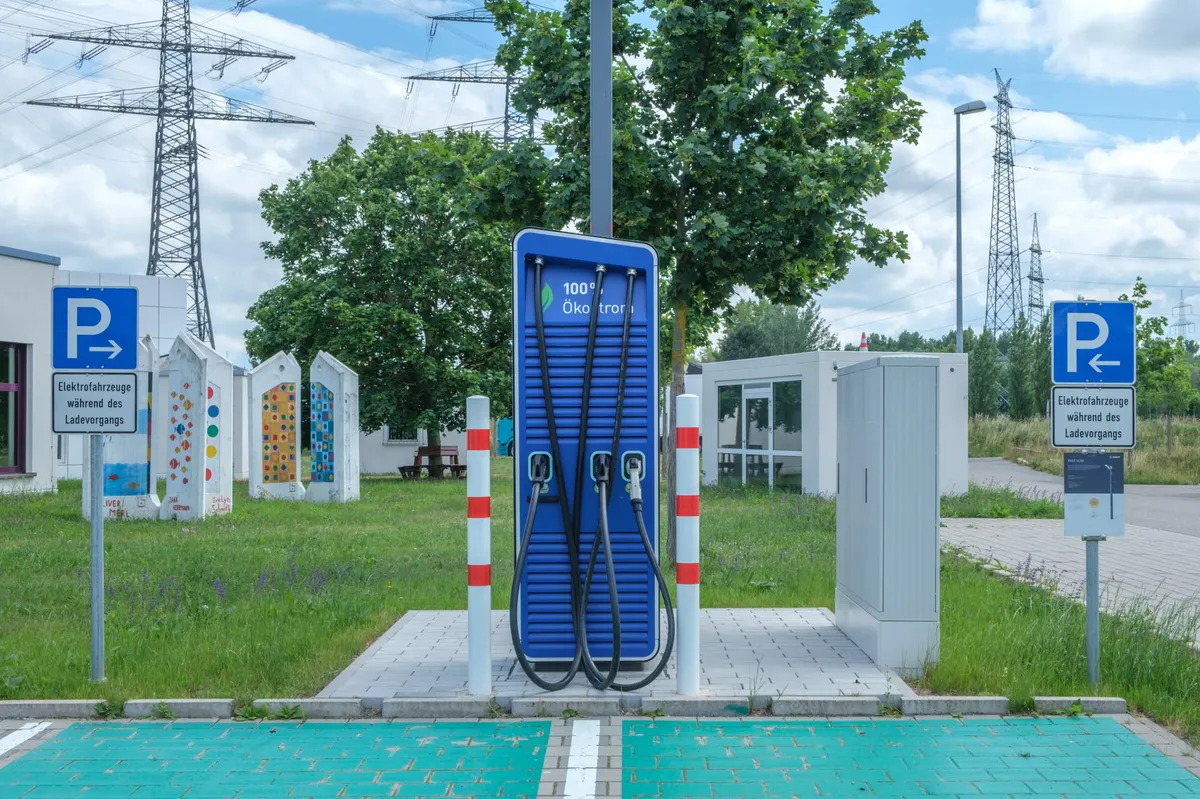
- The court has ordered Waymo to halt overnight charging operations in Santa Monica due to noise complaints.
- Residents reported significant disturbances from the autonomous vehicle charging sounds.
- The case highlights the importance of community engagement for tech companies.
- Legal challenges may shape the future operational strategies of autonomous vehicle firms.
Frequently Asked Questions
What are the specific reasons for the noise complaints against Waymo?
Residents have voiced their concerns primarily due to the incessant beeping sounds produced by the autonomous vehicles as they navigate the charging stations. This noise has been described as a significant disruption to both daytime and nighttime peace, leading to complaints about sleep disturbances and overall quality of life. The local court acknowledged these concerns when issuing the injunction against Waymo's overnight operations.
What does the ruling mean for Waymo's operations in Santa Monica?
The court's ruling prohibits Waymo from using its charging facilities in Santa Monica between 11 PM and 6 AM, effectively halting their overnight operations. This decision is a temporary measure while the legal case continues, but it represents a significant obstacle for Waymo in its ongoing efforts to establish its autonomous vehicle services in urban environments. The next hearing in the case is scheduled for October 2026.
How are other cities responding to similar issues with autonomous vehicles?
Many cities across the U.S. are grappling with the integration of autonomous vehicles and the challenges they present, including noise, traffic congestion, and public safety. Some municipalities are already implementing regulatory frameworks to address these concerns, ensuring that technology companies engage with local communities. These frameworks are crucial for balancing innovation with the needs of residents, as cities seek to create an environment where autonomous vehicles can operate without infringing on community life.
What can residents do if they experience similar issues with autonomous vehicles in their neighborhoods?
Residents who face disturbances from autonomous vehicles or other tech-related issues can take several steps, including documenting the disturbances, engaging with local government representatives, and organizing community petitions. Bringing collective concerns to the attention of city officials can lead to meaningful dialogue and potential solutions, such as stricter regulations on operational hours or noise limits. Community engagement is essential in ensuring that technological advancements do not come at the expense of residents' quality of life.
Comments
Judge Upholds Minnesota Ban on ‘Nudify’ Apps Amid xAI Lawsuit
A U.S. District Judge has ruled against xAI's attempt to block Minnesota's ban on nudification apps. This decision allows the law to proceed while the lawsuit unfolds, raising questions about digital rights and consent.

Related articles


Popular in Cybersecurity
- Federal Mandate for Autonomous Vehicles: A Call for Safety Compliance
- EU Mandates Google to Share Data and Open AI on Android: What It Means
- GitHub Revamps Bug Bounty Program: Implications for Developers and Security
- Australian Government Disables Thousands of Functional Broadband Routers: A Wasteful Decision
- Exploiting Redis: Understanding Zero-Day Vulnerabilities and Their Mitigation