Unveiling Vulnerabilities: 84 Security Flaws in 4G and 5G Networks
Recent research highlights 84 security flaws in 4G and 5G core networks, including session hijacking vulnerabilities that could compromise user privacy and network integrity.
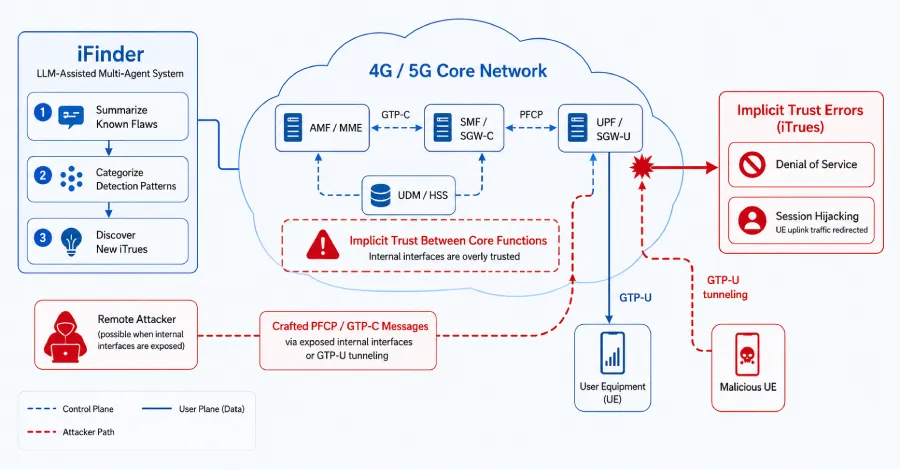
As the digital world increasingly relies on mobile networks for connectivity, recent findings from security researchers have raised alarm bells regarding the integrity of 4G and 5G core networks. A comprehensive study identified a staggering 84 vulnerabilities that could enable malicious actors to exploit user data, hijack sessions, and manipulate mobile communications. This revelation not only highlights the security gaps in modern telecommunications infrastructure but also emphasizes the urgency for both consumers and organizations to fortify their defenses against these emerging threats.
The implications of these vulnerabilities are far-reaching, impacting not just individual users but also businesses that depend on robust mobile network capabilities for operations and customer engagement. Understanding the nature of these flaws and the potential attack vectors they create is crucial for stakeholders across various sectors.
Understanding the Vulnerabilities in 4G and 5G Networks
The research uncovered a variety of vulnerabilities ranging from session hijacking to privilege escalation, which can significantly compromise the integrity of communications over mobile networks. Here’s a closer look at some of the key findings:
- Session Hijacking: Attackers can take over user sessions, gaining unauthorized access to sensitive information and communications.
- Cross-Domain Privilege Escalation: Certain flaws allow attackers to escalate their privileges beyond their assigned roles, giving them control over critical network functions.
- Identity Exposure: Vulnerabilities that expose user identities can be exploited to launch targeted attacks, compromising user privacy.

The Impact of These Flaws on Users and Businesses
The ramifications of these vulnerabilities are profound. For individual users, session hijacking can lead to identity theft, financial loss, and unauthorized transactions. For businesses, these flaws pose a risk to sensitive customer data, which could result in hefty fines, loss of customer trust, and reputational damage.
As mobile networks become the backbone of various business operations—from online transactions to remote work—ensuring their security is paramount. In a world where remote access and mobile functionality are non-negotiable, businesses must remain vigilant against the potential exploitation of these vulnerabilities.
Mitigating the Risks: What Organizations Can Do
In light of these findings, organizations should take proactive steps to safeguard their networks and data. Here are several strategies to consider:
1. Conduct Regular Vulnerability Assessments
Organizations should routinely assess their mobile networks for vulnerabilities. Employing penetration testing and security audits can help identify potential weaknesses before they can be exploited by attackers.
2. Implement Multi-Factor Authentication (MFA)
MFA adds an extra layer of security beyond just passwords, making it more difficult for attackers to gain unauthorized access to user accounts, even if they have compromised session tokens.
3. Stay Updated with Security Patches
Regularly updating software and firmware to include the latest security patches is essential in mitigating known vulnerabilities. This practice can significantly reduce the risk of exploitation.
4. Educate Employees and Users
Training employees about security best practices and raising awareness among users can help them recognize phishing attempts and suspicious activities that could lead to security breaches.

The Role of Telecommunications Providers
Telecommunications providers play a crucial role in addressing these vulnerabilities. They must prioritize the security of their infrastructure and collaborate with cybersecurity researchers to patch identified flaws. This partnership can foster a more secure environment for all users and mitigate risks posed by potential attacks.
Moreover, telecom companies should invest in advanced security technologies and frameworks that can detect and respond to threats in real-time, ensuring that the integrity of their networks is maintained.
Key Takeaways
- Researchers have identified 84 vulnerabilities in 4G and 5G networks, including critical flaws like session hijacking.
- Both users and businesses face significant risks, including identity theft and financial losses.
- Organizations must take proactive steps, such as regular vulnerability assessments and implementing MFA, to protect their networks.
- Telecommunications providers must collaborate with cybersecurity experts to address security flaws and enhance network integrity.
Frequently Asked Questions
What are 4G and 5G networks?
4G and 5G are generations of mobile telecommunications technology. 4G, or Fourth Generation, focuses on higher speed and improved connectivity compared to its predecessor, 3G. 5G, or Fifth Generation, offers even faster speeds, lower latency, and the capability to connect more devices simultaneously, making it a critical technology for the Internet of Things (IoT) and other advanced applications.
How can I protect myself from vulnerabilities in mobile networks?
Users can protect themselves by using strong, unique passwords, enabling multi-factor authentication where available, and being cautious of suspicious links and messages. Keeping mobile devices updated with security patches and being aware of the latest security threats can further enhance personal security.
What role do organizations play in mobile security?
Organizations are responsible for ensuring the security of their networks and data. This involves implementing security protocols, conducting regular vulnerability assessments, and training employees on best practices. By prioritizing security, organizations can protect both their assets and their customers.
Comments
Judge Upholds Minnesota Ban on ‘Nudify’ Apps Amid xAI Lawsuit
A U.S. District Judge has ruled against xAI's attempt to block Minnesota's ban on nudification apps. This decision allows the law to proceed while the lawsuit unfolds, raising questions about digital rights and consent.

Related articles




Popular in Cybersecurity
- Federal Mandate for Autonomous Vehicles: A Call for Safety Compliance
- EU Mandates Google to Share Data and Open AI on Android: What It Means
- GitHub Revamps Bug Bounty Program: Implications for Developers and Security
- Australian Government Disables Thousands of Functional Broadband Routers: A Wasteful Decision
- Exploiting Redis: Understanding Zero-Day Vulnerabilities and Their Mitigation