Judge Upholds Minnesota Ban on ‘Nudify’ Apps Amid xAI Lawsuit
A U.S. District Judge has ruled against xAI's attempt to block Minnesota's ban on nudification apps. This decision allows the law to proceed while the lawsuit unfolds, raising questions about digital rights and consent.

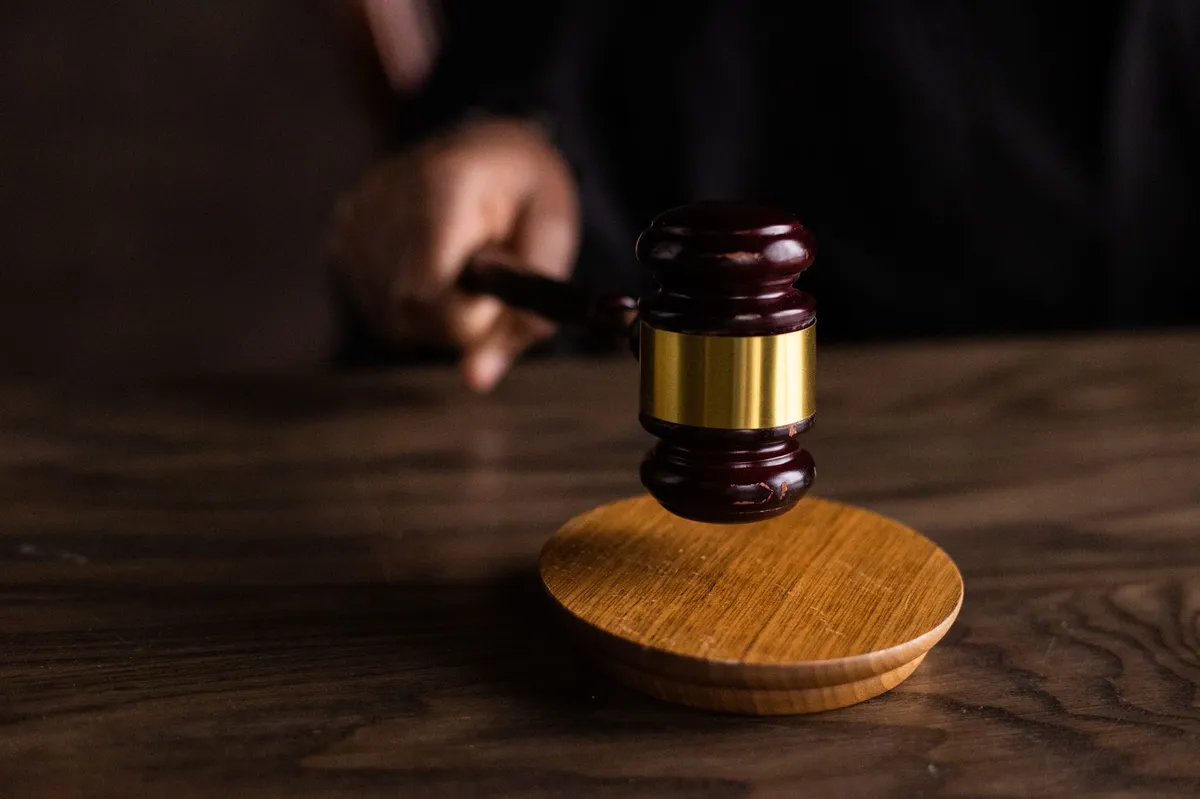
In a landmark ruling, U.S. District Judge Donovan Frank has allowed Minnesota's unique ban on nudification apps to proceed, dismissing a request from xAI to block the law. This decision comes amid growing public concern over digital rights, privacy, and the ethical implications of artificial intelligence (AI) in today’s society. The ruling is significant not only for xAI but also for the broader technology landscape, as it delves into the intricate balance between innovation and responsible technology deployment.
Understanding the Ruling
Judge Frank's determination was influenced predominantly by the timing of xAI's legal challenge. The judge noted that xAI filed for a temporary restraining order on July 29, 2026, just three days before the law was set to take effect on August 1, and nearly three months after the law was enacted. In his ruling, Frank stated, “Such a delay in bringing the action and the motion suggests that harm is not immediate.” This phrasing indicates that the court is not convinced that the law poses an urgent threat to xAI's operations or business model.
The Nature of the Ban
The law, which is the first of its kind in the United States, prohibits applications that allow users to manipulate images—specifically, to remove clothing from individuals in photographs. This raises significant questions about consent and the potential for misuse of technology in generating non-consensual sexualized images. To understand the implications of this ban, let's look into the broader context of digital privacy laws and technology ethics.
Concerns Over Non-Consensual Image Manipulation
The rise of AI tools that can generate or alter images has sparked a wave of ethical debates. With the advent of tools capable of creating hyper-realistic images from mere textual descriptions, the potential for misuse has grown exponentially. In early 2026, users on Elon Musk's social media platform, X, exploited xAI's Grok chatbot to disseminate non-consensual sexualized images, leading to public outcry and subsequent investigations. This incident exemplified the urgent need for regulatory measures.

xAI's Legal Arguments
In the lawsuit, xAI contends that the Minnesota ban is “overinclusive” and asserts that there are “far less restrictive alternatives that function to achieve the same ends.” This argument raises essential questions about the balance between regulation and innovation. Critics of the ban suggest that it could stifle technological advancement and limit the creative potential of AI applications, which could otherwise be harnessed for educational or artistic purposes.
Alternatives to Regulation
Proponents of digital rights argue that instead of outright bans, there should be more nuanced regulatory frameworks that aim to protect individuals without hampering innovation. Possible alternatives could include:
- Mandatory consent frameworks for image manipulation.
- Technological safeguards that prevent the misuse of nudification tools.
- Educational programs aimed at raising awareness of digital ethics.
Such alternatives could address the concerns surrounding non-consensual image manipulations while still permitting legitimate use cases of AI technologies.
The Broader Implications of Technology Regulation
The Minnesota law and the ongoing lawsuit by xAI highlight a critical juncture in the intersection of technology, law, and ethics. As AI continues to evolve, the legislative landscape must keep pace to ensure that individuals' rights are protected without stifling innovation. This case sets a precedent for how similar issues may be approached in other jurisdictions across the United States and beyond.
Potential for Future Legislation
As states grapple with the implications of AI technology, we can expect more targeted legislation to emerge. Similar laws may arise as other states observe the outcomes of this case. This could lead to a patchwork of regulations across the country, making compliance challenging for technology companies operating in multiple states.

Key Takeaways
- Judge Frank's ruling allows Minnesota's nudify app ban to take effect despite xAI's lawsuit.
- The case underscores the urgent need for digital rights protection and ethical application of AI.
- xAI argues that the ban is overinclusive and suggests alternative approaches.
- The outcome of this case may influence future legislation across the U.S.
- Balancing innovation with user protection remains a critical challenge for lawmakers and tech companies.
Frequently Asked Questions
What does the term 'nudify' mean in the context of this law?
The term 'nudify' refers to the process of digitally altering images to remove clothing, thereby exposing the subject in a sexualized manner. This practice raises significant ethical concerns, particularly regarding consent, as it can result in the creation and distribution of non-consensual images.
How could this ruling affect the future of AI applications?
The ruling could set a precedent for how other states approach the regulation of AI technologies, particularly those involved in image manipulation. If upheld, it may encourage further legislative action aimed at addressing the ethical implications of AI, potentially leading to more stringent regulations on similar applications.
What are the broader implications of banning nudify apps?
Banning nudify apps raises broader questions about digital rights and the balance between user freedom and protection. While such bans aim to prevent harm, they can also limit legitimate uses of technology, necessitating a careful consideration of how to regulate emerging tech without stifling innovation.
Comments
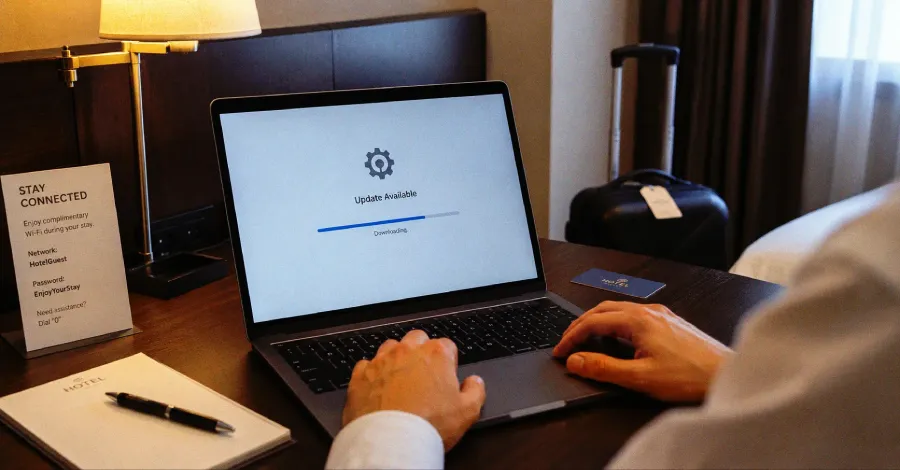
The Rising Threat of Hotel Wi-Fi: How Malware Targets Travelers
Hotel Wi-Fi networks are increasingly being targeted by cybercriminals to deliver surveillance malware. This article explores how these attacks work, the risks they pose, and how travelers can protect themselves.
Related articles




Popular in Cybersecurity
- Federal Mandate for Autonomous Vehicles: A Call for Safety Compliance
- EU Mandates Google to Share Data and Open AI on Android: What It Means
- GitHub Revamps Bug Bounty Program: Implications for Developers and Security
- Australian Government Disables Thousands of Functional Broadband Routers: A Wasteful Decision
- Exploiting Redis: Understanding Zero-Day Vulnerabilities and Their Mitigation