Understanding ShinyHunters: Attack Paths and Safeguarding Your Business
Microsoft's analysis of ShinyHunters highlights various attack paths that can pose significant risks to organizations. This article delves into these vulnerabilities and offers actionable steps for enhanced cybersecurity.
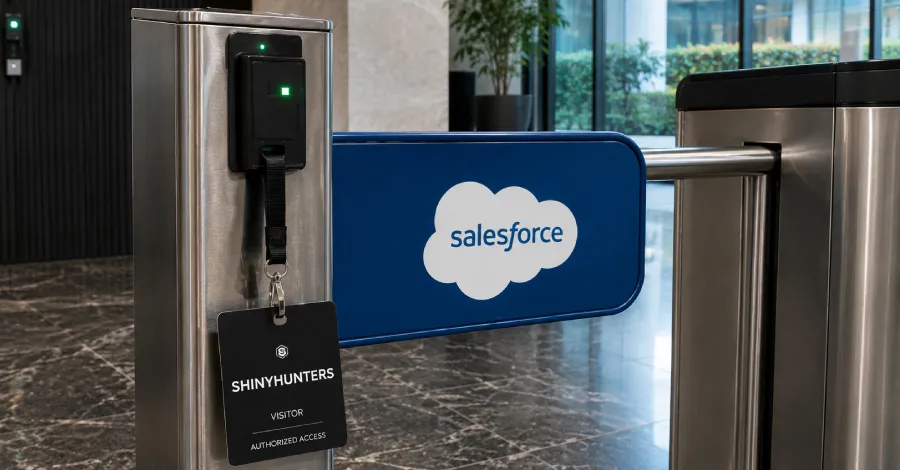
In the ever-evolving landscape of cybersecurity, the emergence of new attack vectors remains a pressing concern for businesses worldwide. Recently, a detailed analysis by Microsoft has brought to light the potential threats posed by a hacking group known as ShinyHunters, particularly concerning vulnerabilities within Salesforce systems. This article unpacks the different attack paths identified by Microsoft and lays out a comprehensive strategy for organizations to fortify their defenses against these sophisticated threats.
Unpacking the ShinyHunters Threat
ShinyHunters is a notorious hacking group that has gained attention for its aggressive tactics aimed at exploiting software vulnerabilities. With a track record that includes data breaches across various platforms, their recent focus on Salesforce highlights the need for organizations to stay vigilant. Salesforce, a leading customer relationship management (CRM) platform, is a lucrative target due to the sensitive data it holds for countless businesses.
Attack Paths Identified by Microsoft
Microsoft’s analysis has outlined three primary attack paths associated with ShinyHunters that businesses should be aware of:
- Credential Compromise: Attackers utilize phishing techniques to obtain user credentials, granting them unauthorized access to Salesforce accounts.
- Exploiting API Vulnerabilities: ShinyHunters are known to exploit weaknesses in Salesforce APIs, allowing them to manipulate data and gain deeper access to the system.
- Data Scraping: Once access is achieved, the group can scrape large volumes of data, potentially leading to severe data breaches and reputational damage for the affected organizations.

Why This Matters for Businesses
The implications of these attack paths are significant. For businesses relying on Salesforce, a successful breach can lead to the compromise of sensitive customer data, financial information, and proprietary business strategies. The fallout from such incidents can result in not only financial losses but also regulatory penalties and long-lasting damage to a company's reputation.
Market Context and Legal Ramifications
The rise of groups like ShinyHunters coincides with increasing sophistication in cyber threats globally. According to the Cybersecurity and Infrastructure Security Agency (CISA), the financial sector alone has witnessed a 238% increase in cyberattacks in recent years. Data breaches can attract regulatory scrutiny, particularly under laws such as the GDPR or CCPA, which impose heavy penalties for data mishandling.
Five Steps to Secure Your Organization
Given the alarming trends highlighted by Microsoft, it's imperative for businesses to adopt proactive measures to safeguard their systems. Here are five key steps organizations can take to protect against software vulnerabilities:
- Implement Multi-Factor Authentication (MFA): Require multiple forms of verification to enhance security and make unauthorized access more difficult.
- Regularly Update Software: Ensure all software, including CRM platforms like Salesforce, is updated regularly to patch known vulnerabilities.
- Conduct Security Training: Provide employees with ongoing training on recognizing phishing attempts and other cyber threats.
- Monitor API Usage: Implement strict monitoring of API calls to detect unusual activity that may signify an attempted breach.
- Establish a Response Plan: Develop and regularly update an incident response plan to ensure a swift reaction to potential breaches.

The Role of AI in Cybersecurity
Artificial Intelligence (AI) is increasingly being leveraged in cybersecurity to detect vulnerabilities and automate responses to threats. AI models can analyze vast amounts of data to identify patterns that may indicate potential security risks. By incorporating AI into their security frameworks, organizations can significantly enhance their ability to preemptively address vulnerabilities before they can be exploited by groups like ShinyHunters.
Benefits of AI-Driven Security Solutions
AI-driven solutions can offer several advantages, including:
- Real-Time Threat Detection: AI can analyze network traffic and detect anomalies in real-time, allowing for immediate action against potential threats.
- Automated Responses: AI can automate responses to common threats, reducing the time it takes to mitigate potential breaches.
- Predictive Analytics: AI can help predict future attack vectors based on historical data, allowing businesses to bolster their defenses accordingly.

Key Takeaways
- ShinyHunters has identified multiple attack paths targeting Salesforce, including credential compromise and API exploitation.
- The financial and reputational consequences of cyberattacks can be significant for affected organizations.
- Proactive security measures, including MFA and regular software updates, are essential for safeguarding against vulnerabilities.
- AI technology plays a crucial role in enhancing cybersecurity by providing real-time threat detection and predictive analytics.
Frequently Asked Questions
What is ShinyHunters, and why are they a concern?
ShinyHunters is a hacking group known for exploiting software vulnerabilities to gain unauthorized access to sensitive data. Their aggressive tactics, particularly against platforms like Salesforce, pose serious risks to businesses that may face data breaches and subsequent financial and reputational damage.
How can businesses protect themselves against these threats?
Businesses can enhance their security by implementing multi-factor authentication, regularly updating software, conducting employee training on cybersecurity, monitoring API usage, and establishing a robust incident response plan. These measures can significantly reduce the likelihood of a successful breach.
What role does AI play in cybersecurity?
AI is increasingly used in cybersecurity to enhance threat detection and response mechanisms. By analyzing data and identifying patterns, AI can provide real-time insights into potential vulnerabilities and automate responses to common threats, allowing organizations to preemptively address security risks.
What should organizations do if they experience a breach?
In the event of a breach, organizations should follow their incident response plan, which typically includes identifying the source of the breach, containing the threat, notifying affected parties, and conducting a thorough investigation to prevent future incidents. It’s also crucial to communicate transparently with stakeholders to maintain trust.
Comments
Unmasking the Threat: 148 npm Packages as DDoS Botnets
A recent discovery of 148 npm packages masquerading as educational tools reveals a significant cybersecurity threat. Learn how to protect your organization from such vulnerabilities.

Related articles


Popular in Cybersecurity
- Federal Mandate for Autonomous Vehicles: A Call for Safety Compliance
- EU Mandates Google to Share Data and Open AI on Android: What It Means
- GitHub Revamps Bug Bounty Program: Implications for Developers and Security
- Australian Government Disables Thousands of Functional Broadband Routers: A Wasteful Decision
- Exploiting Redis: Understanding Zero-Day Vulnerabilities and Their Mitigation