Navigating the AI-Driven Cybersecurity Landscape: A Guide for Businesses
As AI technologies evolve, they pose both opportunities and challenges in cybersecurity. This article explores how organizations can secure their systems against vulnerabilities identified by AI models, focusing on best practices and proactive strategies.
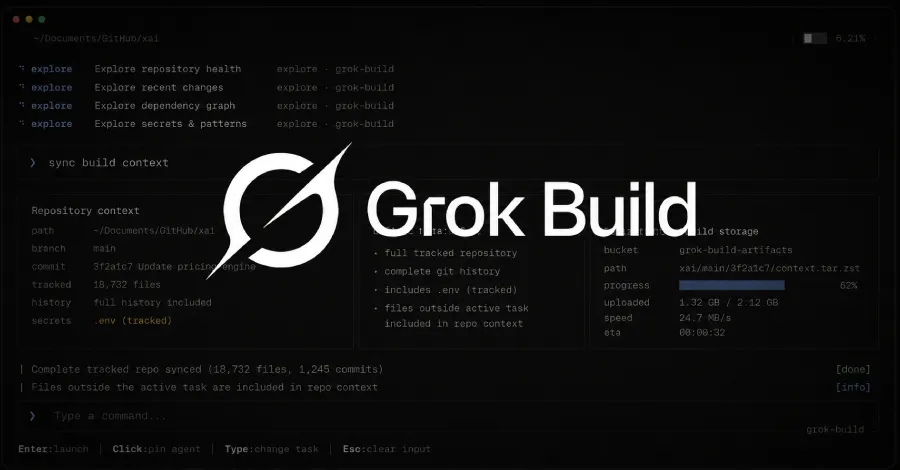
The rise of artificial intelligence (AI) has reshaped many industries, and cybersecurity is no exception. While AI offers advanced capabilities in threat detection and response, it also introduces new vulnerabilities, especially when integrated into software development and deployment processes. Recent incidents, such as Grok Build inadvertently uploading entire Git repositories to xAI storage rather than just the intended files, underscore the risks associated with AI applications in cybersecurity. This situation not only highlights the potential for data exposure but also raises critical questions about the integrity of AI systems.
In an era where cyber threats are becoming increasingly sophisticated, organizations must adopt a proactive approach to safeguard their assets. This article delves into the intersection of AI and cybersecurity, providing insights into common vulnerabilities and outlining steps businesses can take to mitigate risks associated with AI models.
Understanding the AI Cybersecurity Landscape
AI has revolutionized the way businesses approach cybersecurity. It offers tools that can analyze vast amounts of data to identify anomalies, predict threats, and automate responses. However, these advancements come with their own set of challenges. The integration of AI within software development processes, such as using AI-powered coding assistants or automated deployment systems, can inadvertently lead to security oversights.
The Risks of AI in Software Development
When AI tools are used for coding or managing repositories, there is potential for them to misinterpret instructions or mishandle sensitive data. For instance, the Grok Build incident serves as a cautionary tale demonstrating how AI can unintentionally expose entire codebases, leading to potential leaks of proprietary information or intellectual property. Organizations must recognize that while AI can enhance productivity, it can also introduce vulnerabilities if not monitored closely.
5 Steps to Secure Against Software Vulnerabilities Discovered by AI Models
To safeguard against vulnerabilities that AI models may uncover, organizations can implement the following five strategies:
- Conduct Regular Security Audits: Regularly review and audit AI systems to identify and rectify potential security flaws. This includes assessing third-party AI tools for compliance with security standards.
- Implement Robust Access Controls: Limit access to sensitive data and repositories to only those who need it. Utilize role-based permissions to ensure that AI systems operate within a defined scope.
- Monitor AI Behavior: Continuously monitor how AI models interact with data and systems. Implement logging mechanisms to track unusual behaviors that may indicate a potential security breach.
- Train Staff on AI Security Best Practices: Ensure that employees are educated on the risks associated with using AI in development and deployment. Regular training sessions can help keep security top-of-mind.
- Utilize Threat Intelligence: Leverage threat intelligence platforms to stay updated on emerging vulnerabilities related to AI technologies. Knowledge is power when it comes to cybersecurity.

The Importance of a Holistic Approach
While implementing these strategies is crucial, they should be part of a broader cybersecurity framework. A holistic approach considers the entire technology stack, integrating AI security measures with traditional cybersecurity protocols. This includes network security, endpoint protection, and incident response strategies.
Collaboration Across Teams
Cross-functional collaboration between development, security, and operations teams (often referred to as DevSecOps) is essential in creating a security-first culture. By embedding security considerations into the software development lifecycle, organizations can proactively address vulnerabilities before they become exploited. Regular communication and collaboration can also foster a deeper understanding of how AI tools operate and the potential risks they pose.
Embracing AI for Enhanced Security
Despite the risks, it is important to recognize that AI can greatly enhance cybersecurity efforts. Organizations can employ AI-driven tools to identify threats more efficiently and respond to incidents with greater speed and accuracy. For example, machine learning algorithms can analyze network traffic patterns to detect anomalies that human analysts might overlook.
Moreover, AI can aid in automating responses to common threats, allowing human resources to focus on more complex issues that require nuanced understanding and strategic thinking. However, this does not eliminate the need for human oversight. Continuous monitoring and human intervention remain critical to ensuring that AI systems operate within safe parameters.

Key Takeaways
- AI introduces both opportunities and vulnerabilities in cybersecurity, necessitating proactive measures.
- Regular security audits, access controls, and monitoring are essential to mitigate risks associated with AI.
- A holistic approach, integrating AI security with traditional cybersecurity practices, is critical for safeguarding systems.
- Collaboration across teams enhances the security posture of organizations utilizing AI technologies.

Frequently Asked Questions
What are the main vulnerabilities associated with AI in cybersecurity?
The main vulnerabilities associated with AI in cybersecurity include data exposure due to misconfigurations, algorithmic biases leading to security oversights, and the potential for adversarial attacks where malicious actors exploit AI models. Ensuring that AI systems are designed with security in mind from the outset can help mitigate these risks.
How can organizations measure the effectiveness of their AI security initiatives?
Organizations can measure the effectiveness of their AI security initiatives through various metrics, including the number of detected threats, response times to incidents, and the rate of successful threat mitigation. Regular reviews and audits of AI systems can also provide insights into their performance and areas needing improvement.
Is it necessary to have a dedicated team for AI cybersecurity?
While it may not be necessary to have a dedicated team solely focused on AI cybersecurity, organizations should ensure that their existing security teams are well-versed in AI technologies and their associated risks. Training and collaboration with AI specialists can enhance the overall security posture.
Comments
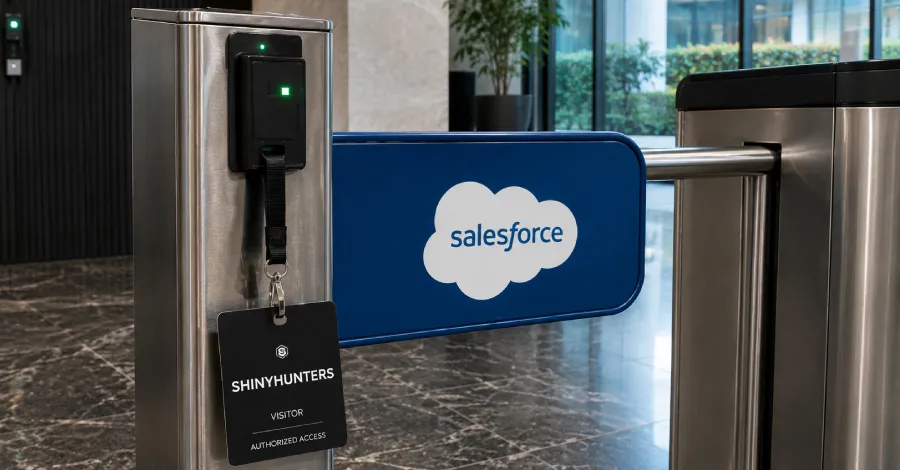
Understanding ShinyHunters: Attack Paths and Safeguarding Your Business
Microsoft's analysis of ShinyHunters highlights various attack paths that can pose significant risks to organizations. This article delves into these vulnerabilities and offers actionable steps for enhanced cybersecurity.
Related articles



Popular in Cybersecurity
- Federal Mandate for Autonomous Vehicles: A Call for Safety Compliance
- EU Mandates Google to Share Data and Open AI on Android: What It Means
- GitHub Revamps Bug Bounty Program: Implications for Developers and Security
- Australian Government Disables Thousands of Functional Broadband Routers: A Wasteful Decision
- Exploiting Redis: Understanding Zero-Day Vulnerabilities and Their Mitigation