Securing Against OAuth Client ID Spoofing and AI Vulnerabilities
Explore the implications of OAuth client ID spoofing on Microsoft Entra credentials and learn essential strategies for AI-driven security enhancements.
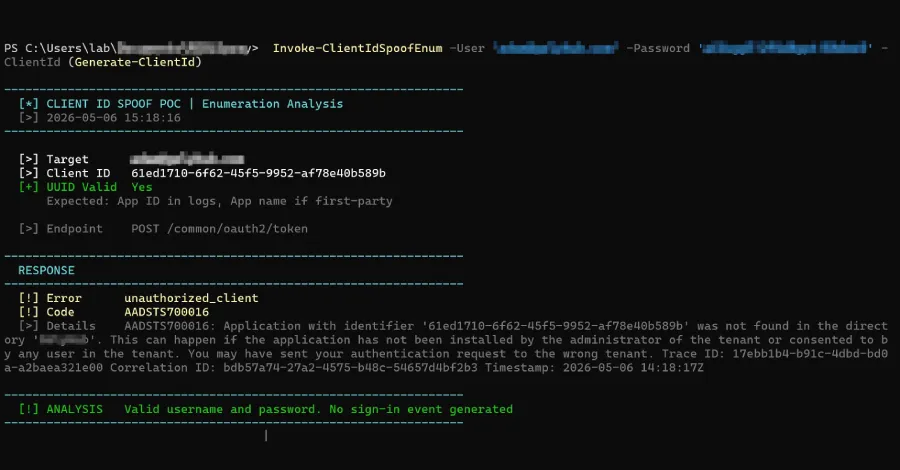
In the ever-evolving landscape of cybersecurity, new threats emerge at an alarming rate, demanding that organizations stay vigilant and informed. One such threat is the OAuth client ID spoofing that has recently been identified, particularly affecting Microsoft Entra credentials. This vulnerability not only compromises user accounts but also provides a pathway for attackers to exploit sensitive information. Coupled with the advancements in artificial intelligence (AI), which has become both a tool for protection and a weapon for exploitation, organizations must adopt comprehensive security strategies to mitigate these risks and safeguard their digital assets.
In this article, we will delve deeper into the implications of OAuth client ID spoofing on Microsoft Entra, the role AI plays in both cybersecurity and cyber threats, and the essential steps organizations can take to secure their systems against these vulnerabilities.
Understanding OAuth Client ID Spoofing
OAuth, or Open Authorization, is a standard for access delegation commonly used as a way to grant websites or applications limited access to a user's information without exposing passwords. For instance, when you log into a third-party application using your Google or Microsoft account, OAuth is likely facilitating that process. However, recent discoveries have revealed that weaknesses in the implementation of OAuth can lead to client ID spoofing, where attackers can manipulate OAuth flows to validate stolen credentials.
What Does This Mean for Microsoft Entra Users?
Microsoft Entra is a comprehensive identity and access management solution that enables organizations to manage identities and secure access to applications. The vulnerabilities identified in the OAuth implementation mean that attackers can potentially use fake client IDs to authenticate and gain unauthorized access to sensitive resources. This not only puts individual user accounts at risk but can also compromise organizational data, leading to severe consequences, including data breaches and financial losses.

How AI is Shaping Cybersecurity
Artificial intelligence has transformed the cybersecurity landscape by providing organizations with advanced tools to detect, respond to, and mitigate threats. AI models can analyze vast amounts of data in real-time, identifying patterns and anomalies that may indicate a security breach. However, the same technology can also be exploited by cybercriminals to develop sophisticated attacks.
AI-Powered Vulnerabilities
As organizations increasingly rely on AI for their cybersecurity measures, they must also be aware of the potential vulnerabilities that arise from these technologies. AI models can be manipulated, leading to false positives or negatives in threat detection, which can leave organizations exposed. Additionally, adversarial attacks can trick AI systems into misclassifying malicious activities as benign, allowing threats to bypass security measures.
Among the key vulnerabilities introduced by AI in cybersecurity are:- Data Poisoning: Attackers may feed misleading data into AI systems to skew their learning processes.
- Model Inversion: Cybercriminals can potentially extract sensitive information from machine learning models.
- Adversarial Attacks: Subtle manipulations can deceive AI systems into making incorrect predictions.

Five Steps to Secure Against Software Vulnerabilities
To effectively safeguard against vulnerabilities like OAuth spoofing and the potential risks associated with AI, organizations should implement a multi-faceted approach to security. Here are five essential steps that can help:
1. Implement Strong Authentication Mechanisms
Utilize multi-factor authentication (MFA) to add an additional layer of security beyond just usernames and passwords. This can significantly reduce the risk of unauthorized access due to credential theft.
2. Regularly Update Software and Systems
Keeping software and systems up-to-date is crucial in protecting against known vulnerabilities. Regular patches and updates close security gaps that could be exploited by attackers.
3. Conduct Security Awareness Training
Educate employees about the importance of cybersecurity, including recognizing phishing attacks and the significance of safeguarding credentials. A well-informed workforce can act as the first line of defense against cyber threats.
4. Monitor and Analyze Security Logs
Regularly review security logs for any unusual activities that may indicate a breach. Automated tools powered by AI can assist in identifying anomalies that deserve further investigation.
5. Employ AI Tools for Threat Detection
Integrate AI-driven security tools to enhance threat detection capabilities. These tools can analyze vast datasets for patterns and provide real-time alerts for suspicious activities.
Key Takeaways
- OAuth client ID spoofing poses a significant threat to Microsoft Entra users, allowing unauthorized access to sensitive information.
- AI can both enhance and undermine cybersecurity measures, introducing new vulnerabilities.
- Organizations should implement strong authentication, regular updates, and employee training to mitigate risks.
- Monitoring and employing AI tools can improve threat detection capabilities.
Frequently Asked Questions
What is OAuth client ID spoofing?
OAuth client ID spoofing refers to the manipulation of OAuth flows to allow unauthorized individuals to validate stolen credentials, potentially gaining access to user accounts and sensitive organizational data.
How can organizations protect themselves against AI-related vulnerabilities?
Organizations can protect against AI-related vulnerabilities by implementing robust security protocols, training employees on cybersecurity awareness, and continuously monitoring systems for signs of anomalous behavior. Additionally, integrating AI tools for threat detection can help identify risks before they escalate.
Why is employee training important for cybersecurity?
Employee training is vital for cybersecurity as it equips staff with the knowledge to recognize threats like phishing attacks and to understand the importance of protecting their credentials. A well-informed workforce is an essential component of an organization's security posture.
Comments
Understanding ShinyHunters: Attack Paths and Safeguarding Your Business
Microsoft's analysis of ShinyHunters highlights various attack paths that can pose significant risks to organizations. This article delves into these vulnerabilities and offers actionable steps for enhanced cybersecurity.
Related articles




Popular in Cybersecurity
- Federal Mandate for Autonomous Vehicles: A Call for Safety Compliance
- EU Mandates Google to Share Data and Open AI on Android: What It Means
- GitHub Revamps Bug Bounty Program: Implications for Developers and Security
- Australian Government Disables Thousands of Functional Broadband Routers: A Wasteful Decision
- Exploiting Redis: Understanding Zero-Day Vulnerabilities and Their Mitigation