Securing Your Systems: Addressing Vulnerabilities in Microsoft-Signed Linux UEFI Shims
Recent vulnerabilities in Microsoft-signed Linux UEFI shims highlight critical security risks. Learn how to protect your systems from potential exploitation.
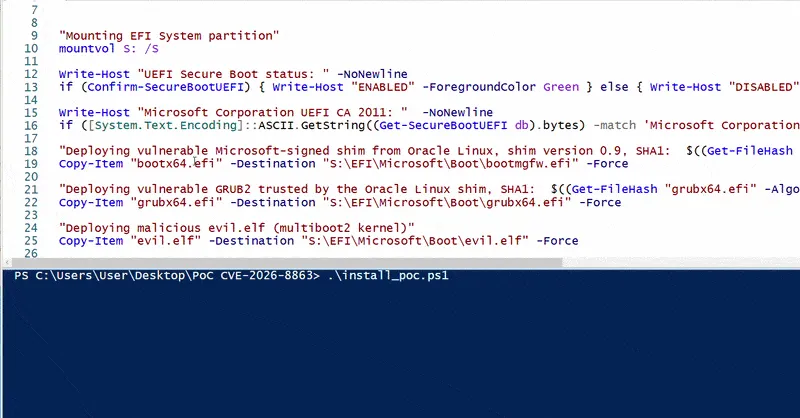
In an interconnected world where digital threats loom large, security vulnerabilities can have far-reaching implications. A recent discovery involving Microsoft-signed Linux UEFI shims has raised alarms among cybersecurity experts. These vulnerabilities, which could allow attackers to bypass Secure Boot—a feature designed to prevent unauthorized software from loading during the startup of a device—underscore the growing challenges organizations face in safeguarding their systems.
As businesses increasingly rely on a mix of operating systems, including Linux and Windows, the importance of understanding these vulnerabilities cannot be overstated. This article delves into the specific vulnerabilities associated with these UEFI shims, the potential impact on organizations, and actionable steps to mitigate risks.
Understanding UEFI and Secure Boot
Unified Extensible Firmware Interface (UEFI) is a modern firmware interface for computers, designed to replace the older BIOS system. It provides a more robust pre-boot environment and supports Secure Boot, a security standard that ensures only trusted software is loaded during the boot process. Secure Boot is crucial for preventing malware from taking control of a device before the operating system has been started.
The Role of Linux UEFI Shims
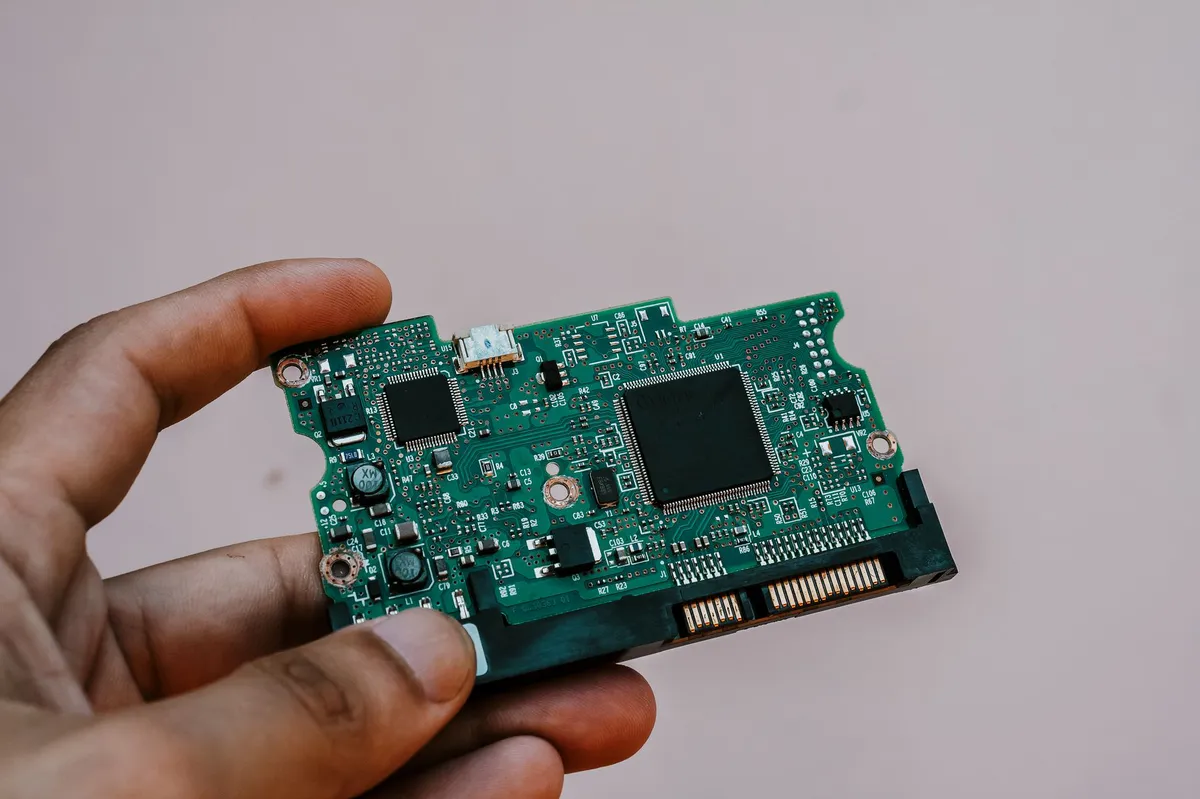
Linux distributions often utilize UEFI shims to ensure compatibility with Secure Boot. These shims serve as a bridge between the UEFI firmware and the Linux kernel, allowing Linux to boot on systems with Secure Boot enabled. Microsoft has signed many of these shims, lending them a level of trust that can be exploited if vulnerabilities are present.
Identifying the Vulnerabilities
Recent research has identified **11 vulnerabilities** associated with Microsoft-signed Linux UEFI shims. These flaws could potentially allow attackers to bypass Secure Boot protections, which could lead to unauthorized access and control over affected systems. The vulnerabilities stem from how these shims interact with the UEFI firmware, allowing for exploitation of the boot process itself.
Some key risks include:
- Unauthorized Code Execution: Attackers could execute malicious code during the boot process, compromising the integrity of the operating system.
- Bypassing Security Controls: Exploiting these vulnerabilities may allow malicious actors to bypass security measures intended to protect sensitive data and systems.
- Widespread Impact: Given the wide usage of Linux in enterprise environments, the potential for large-scale attacks increases significantly.
The Implications for Businesses
The implications of these vulnerabilities are significant for organizations that rely on Linux systems. Businesses must recognize that even widely trusted software can contain critical flaws. The ability to bypass Secure Boot could expose sensitive information, intellectual property, and customer data to cybercriminals.
Moreover, the reputational damage from such breaches can be devastating. Organizations may face regulatory scrutiny, financial losses, and erosion of customer trust. As attackers become increasingly sophisticated, businesses must adopt a proactive approach to cybersecurity.

Mitigation Strategies for Organizations
To protect against the vulnerabilities associated with Microsoft-signed Linux UEFI shims, organizations should consider implementing the following strategies:
- Regular Updates: Ensure that all systems are updated regularly to incorporate the latest security patches and firmware updates.
- Enhanced Monitoring: Implement robust monitoring solutions to detect unusual activities during the boot process.
- Security Best Practices: Adopt security best practices, including the principle of least privilege, to limit access to critical systems and data.
- Incident Response Planning: Develop and maintain an incident response plan to address potential security breaches swiftly.
Leveraging AI for Cybersecurity
As the cybersecurity landscape evolves, organizations are increasingly turning to artificial intelligence (AI) to enhance their security posture. AI models can analyze vast amounts of data to identify patterns indicative of potential security threats, allowing organizations to respond proactively to vulnerabilities.
AI-driven security solutions can assist in:
- Threat Detection: Identifying anomalies in system behavior that may signal a security breach.
- Automated Response: Automatically taking action to mitigate threats before they escalate into larger issues.
- Vulnerability Assessment: Continuously assessing systems for known vulnerabilities and prioritizing remediation efforts.
Key Takeaways
- 11 vulnerabilities in Microsoft-signed Linux UEFI shims could allow attackers to bypass Secure Boot.
- Organizations must recognize the risks associated with these vulnerabilities and take proactive measures.
- Implementing regular updates and incident response planning is crucial for safeguarding systems.
- Leveraging AI can enhance the ability to detect and respond to cybersecurity threats effectively.
Frequently Asked Questions
What are UEFI shims, and why are they important?
UEFI shims are small pieces of software that allow Linux distributions to boot on systems with Secure Boot enabled. They are important because they serve as a bridge between the UEFI firmware and the Linux kernel, ensuring that Linux can operate securely in a UEFI environment.
How can businesses protect themselves from these vulnerabilities?
Businesses can protect themselves by implementing regular software updates, enhancing monitoring for unusual activities, adopting security best practices, and developing incident response plans. These steps can significantly reduce the risk of exploitation from vulnerabilities.
Can AI really help in cybersecurity?
Yes, AI can significantly enhance cybersecurity efforts by analyzing data to identify patterns, detecting anomalies indicative of threats, and automating responses to potential breaches. Utilizing AI tools can improve the overall security posture of an organization.
Comments
Understanding ShinyHunters: Attack Paths and Safeguarding Your Business
Microsoft's analysis of ShinyHunters highlights various attack paths that can pose significant risks to organizations. This article delves into these vulnerabilities and offers actionable steps for enhanced cybersecurity.

Related articles


Popular in Cybersecurity
- Federal Mandate for Autonomous Vehicles: A Call for Safety Compliance
- EU Mandates Google to Share Data and Open AI on Android: What It Means
- GitHub Revamps Bug Bounty Program: Implications for Developers and Security
- Australian Government Disables Thousands of Functional Broadband Routers: A Wasteful Decision
- Exploiting Redis: Understanding Zero-Day Vulnerabilities and Their Mitigation